







The Protein Revolution
For decades, Indian snacking was dominated by carbohydrate-heavy, fried options. That is rapidly changing. Protein has officially moved from the niche domain of fitness enthusiasts to a mainstream requirement for everyday consumers. A recent report from the India Healthy
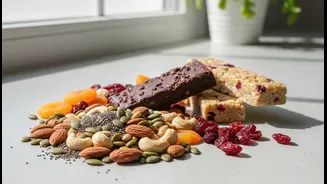
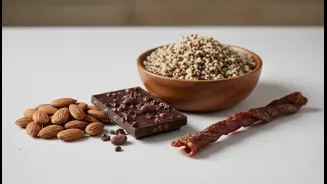
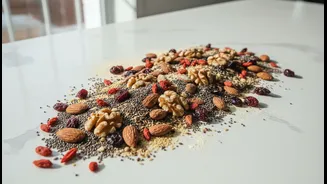
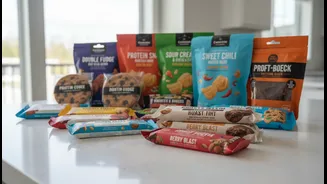
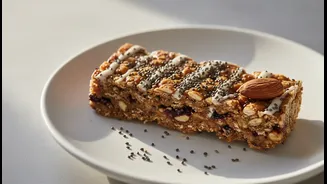
Snacking Summit 2026 revealed that a staggering 86% of Indians now consider protein an important factor when choosing a snack. This isn't just a passing fad; it's a fundamental shift in nutritional awareness. Consumers are actively seeking functional benefits from their food, whether it's for sustained energy, weight management, or overall wellness. Consequently, products like protein bars, roasted makhana, nut and seed mixes, and pulse-based snacks are flying off the shelves. Brands are responding in kind, with even legacy players reformulating products to cater to this protein-hungry demographic. The demand is so significant that nearly a third of consumers state they are willing to pay a premium for protein-fortified products, signalling a new value equation where nutrition trumps cost.
The Currency of Trust
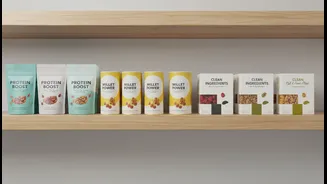
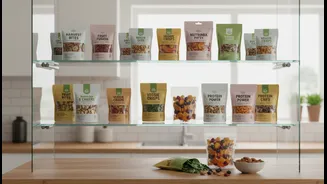
Alongside the demand for better nutrition is an unprecedented call for transparency. Today's consumers are meticulous, flipping over packets to read ingredient lists with a critical eye. This is the rise of the 'clean label' movement, where simple, recognisable ingredients are becoming a key purchase driver. According to a recent survey, 62% of respondents consider ingredient transparency the most crucial factor when choosing a snack brand, far outweighing celebrity endorsements. Shoppers are actively avoiding artificial colours, flavours, and preservatives, and showing a strong preference for natural sweeteners like jaggery and dates over refined sugar. This quest for trust has fuelled the meteoric rise of direct-to-consumer (D2C) brands that build relationships directly with their customers, often using transparent sourcing and clear labelling as a core part of their brand identity. For these brands, a short, understandable ingredient list is no longer a bonus feature—it's the main event.
The Need for Speed
The final piece of this new snacking puzzle is speed. The proliferation of quick commerce platforms like Blinkit, Zepto, and Instamart has fundamentally altered consumer expectations. Snacking is often an impulse decision, and the ability to get a desired product delivered in under 15 minutes has made these platforms a dominant channel for discovery and purchase. Reports indicate that the demand for protein products on these platforms has surged, with some seeing a 150% increase in orders over the last two years. This convenience-led model means that availability is as important as quality. A great product that isn't available for instant delivery may lose out to a competitor that is. Quick commerce has become the primary engine for trial and repeat buys, especially for newer D2C brands looking to gain a foothold in this competitive market. It has transformed snacking from a planned purchase to an on-demand service.
A New Market Reality
Together, these three trends—protein, trust, and speed—have created a new playbook for success in India's healthy snacks market, which is projected to grow significantly in the coming years. The winning formula is no longer just about taste or price. It's about offering a nutritionally superior, trustworthy product and delivering it almost instantly. This convergence is forcing both emerging startups and established FMCG giants to innovate at an unprecedented pace. Brands that can successfully integrate a high-protein profile, a clean and transparent label, and a robust quick commerce strategy are the ones capturing the loyalty of the modern Indian snacker. This has also opened up new avenues for niche products, with growing interest in snacks tailored for specific health needs, such as women's wellness. The game has changed, and the stakes have never been higher.