



Meet the Touch-Me-Not Plant
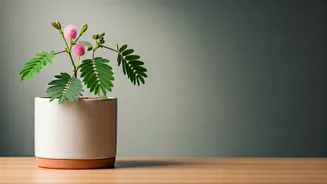
If you're looking to add a dash of personality to your collection of houseplants, look no further than Mimosa pudica. Known by many delightful names like the 'sensitive plant', 'shy plant', or 'touch-me-not', this small shrub is native to South and Central
America. At first glance, it appears to have delicate, fern-like leaves. But the real surprise comes with interaction. When you gently touch its leaves, they rapidly fold inward and the entire stem can droop, as if startled. This captivating reaction is what sets it apart from almost any other common houseplant, making it a living piece of interactive art. After a few minutes, the leaves slowly reopen, ready for the next gentle encounter.
The Science of Its Shyness
This party trick isn't magic; it's a fascinating biological process called thigmonasty, which is a plant's movement in response to touch. The folding is a defense mechanism the plant evolved to startle and deter grazing herbivores in the wild. The movement happens thanks to specialized structures at the base of the leaves and leaflets called pulvini. When the plant is touched, these structures rapidly lose water pressure, causing the cells to collapse and the leaves to fold. An electrical signal can even travel through the branch, causing nearby leaves to fold as well. The plant also naturally closes its leaves at night and reopens them in the morning, a process known as nyctinasty.
More Than Just a Novelty
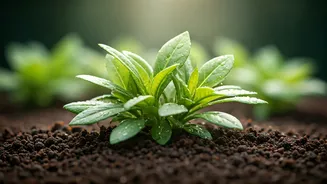
While its movement is the main attraction, Mimosa pudica is an attractive plant in its own right. It has slender, thorny stems and, in the right conditions, can produce charming, fluffy pink or lavender pom-pom-like flowers during the summer. Belonging to the legume family, it’s related to peas and beans. Though it’s a perennial in its native tropical habitat, many indoor gardeners treat it as a short-lived annual because it can become leggy over time. However, with proper care and pruning, you can maintain a bushy, compact shape. Its unique behavior and delicate appearance make it a wonderful conversation starter and a great plant for children and curious adults alike.
Essential Care for a Happy Plant
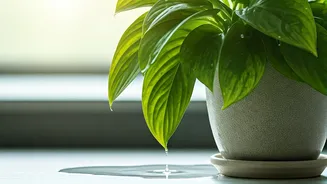
Caring for a sensitive plant requires mimicking its native tropical environment. It’s not the easiest houseplant, but its needs are straightforward. First, it craves light. Provide bright, direct sunlight for at least six to eight hours a day, such as from a south-facing window. Keep the soil consistently moist but never soggy; overwatering is a common mistake and can lead to root rot. Water when the top inch of soil feels dry. This plant also loves high humidity. Placing it in a bathroom, misting it regularly, or setting it on a pebble tray with water can help meet its needs. Ideal temperatures are between 18°C and 24°C, so keep it away from cold drafts.
Common Pitfalls and Solutions
If your sensitive plant's leaves are turning yellow, it could be a sign of overwatering or lack of light. Leggy growth, where stems become long and sparse, indicates the plant is stretching for more sunlight. If your plant stops responding to touch, it could be due to stress from over- or under-watering, or it may simply be conserving energy. While it's tempting to make the leaves fold repeatedly, remember that the plant uses a lot of energy for this process, so avoid excessive handling. If you notice pests like spider mites or mealybugs, isolate the plant and treat it with an appropriate insecticidal soap.