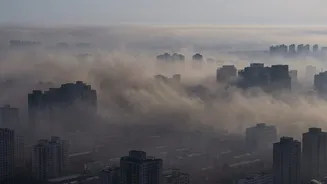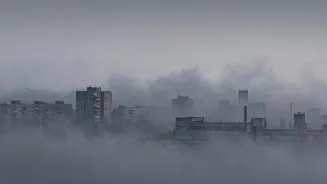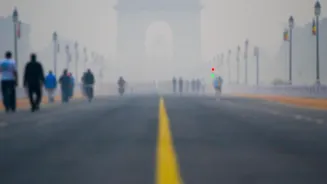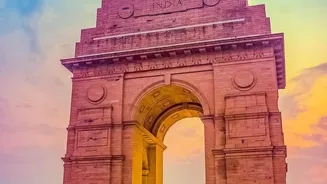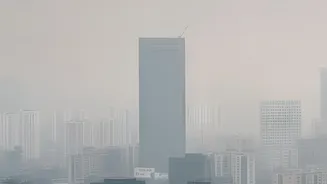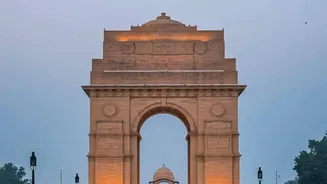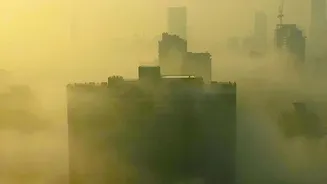




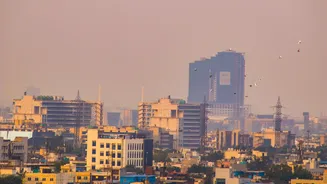
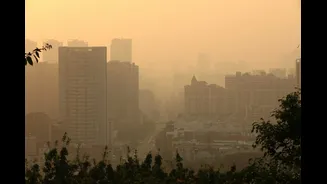
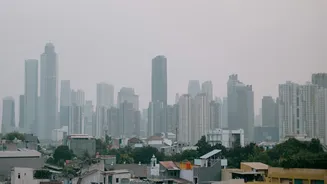
Each winter, a thick, grey blanket of smog descends on Delhi, turning the sky a murky yellow. For its 30 million residents, this is more than just an unpleasant sight; it is a profound disruption of life itself that goes far beyond a seasonal cough.
The Silent Health Crisis
The
most immediate impact of Delhi’s toxic air is on public health, creating a crisis that is both acute and chronic. During peak pollution periods, hospitals report a surge in patients with respiratory and cardiac distress. Doctors note a significant rise in cases of coughing, asthma attacks, and breathing difficulties, especially among children and the elderly. However, the damage is not limited to short-term illness. Fine particulate matter, known as PM2.5, can penetrate deep into the lungs and enter the bloodstream, leading to long-term health consequences. Studies have linked prolonged exposure to a higher risk of chronic lung disease, heart conditions, stroke, and even reduced life expectancy by several years. The constant exposure to hazardous air means that for many residents, feeling fatigued, having trouble concentrating, or suffering from poor sleep has become a new normal.
A Chokehold on the Economy
The economic cost of air pollution is staggering, acting as a structural drag on the capital's growth. Reports estimate that pollution costs Indian businesses billions of dollars annually due to lost productivity, increased absenteeism, and premature deaths. For Delhi specifically, the losses can amount to a significant percentage of its GDP. The impact is felt across multiple sectors. Construction and demolition activities are frequently halted as part of emergency measures, delaying projects and impacting livelihoods. The retail and hospitality sectors suffer from reduced consumer footfall, as people avoid visiting markets and public spaces during severe smog episodes. Businesses also face higher operational costs, from investing in air purifiers to dealing with a less productive workforce. This recurring 'smog tax' disrupts supply chains and discourages new investment, turning an environmental issue into a major financial liability.
Life Interrupted: Daily Routines Halted
For Delhi's residents, severe air pollution fundamentally alters the rhythm of daily life. The simple act of stepping outside becomes a calculated risk. Outdoor exercise, morning walks, and children's playtime are often suspended on days with high AQI readings. Schools are frequently forced to close or shift to online classes, disrupting education and placing a burden on working parents. Government advisories often recommend that companies implement work-from-home policies to reduce traffic and exposure. These disruptions are not minor inconveniences; they lead to social isolation and a tangible decline in quality of life. A survey found that a significant portion of residents would prefer to move out of the city entirely to escape the health effects of the toxic air.
The Psychological Toll of a Grey Sky
Living under a constant blanket of smog has a profound, often un-discussed, psychological impact. The feeling of being trapped indoors, the persistent worry about the health of one's family, and the inability to engage in normal outdoor activities contribute to heightened stress and anxiety. This phenomenon, sometimes dubbed 'eco-anxiety', is a growing concern in heavily polluted cities. The grey, hazy landscape can affect mood and lead to feelings of hopelessness. For many, clean air has become a luxury, accessible only to those who can afford expensive air purifiers for their homes and cars, creating a stark divide between those who can buy breathable air and those who cannot. This inequality adds another layer of social stress to the pervasive environmental problem.