




More Than a Trend, It's a Movement
What we are witnessing is more than just a fleeting fashion trend; it's a cultural shift. Young, conscious consumers, particularly Gen Z, are increasingly seeking authenticity and sustainability in what they wear. They want clothes that tell a story,
respect the planet, and align with their values. This has created the perfect environment for a renaissance of Indian handloom. Brands are responding by moving away from mass-produced, fast-fashion models and embracing a 'slow fashion' ethos. This approach champions local artisans, ethical production, and timeless quality over fleeting trends, making heritage textiles the hero of a new fashion narrative.
The Artisan at the Forefront
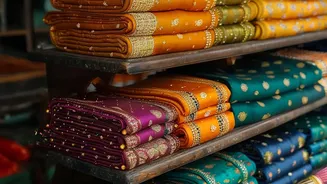
At the heart of this revival are the millions of artisans and weavers across India whose skills have been passed down through generations. For too long, these craftspeople were marginalized by industrial manufacturing. Now, a new crop of designers and labels are collaborating directly with artisan clusters in places like Kutch, Bhagalpur, and Lucknow. This isn't just about sourcing fabric; it's about co-creation. Brands like NorBlack NorWhite and Kardo work with weavers, block-printers, and embroiderers, ensuring they receive fair wages and, crucially, creative recognition for their work. Some labels even credit the individual tailor on the garment's tag, making the human connection visible and valued.
From Heritage Weaves to Streetwear Staples
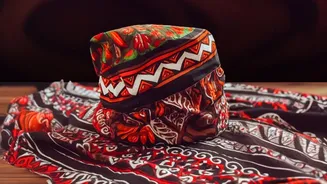
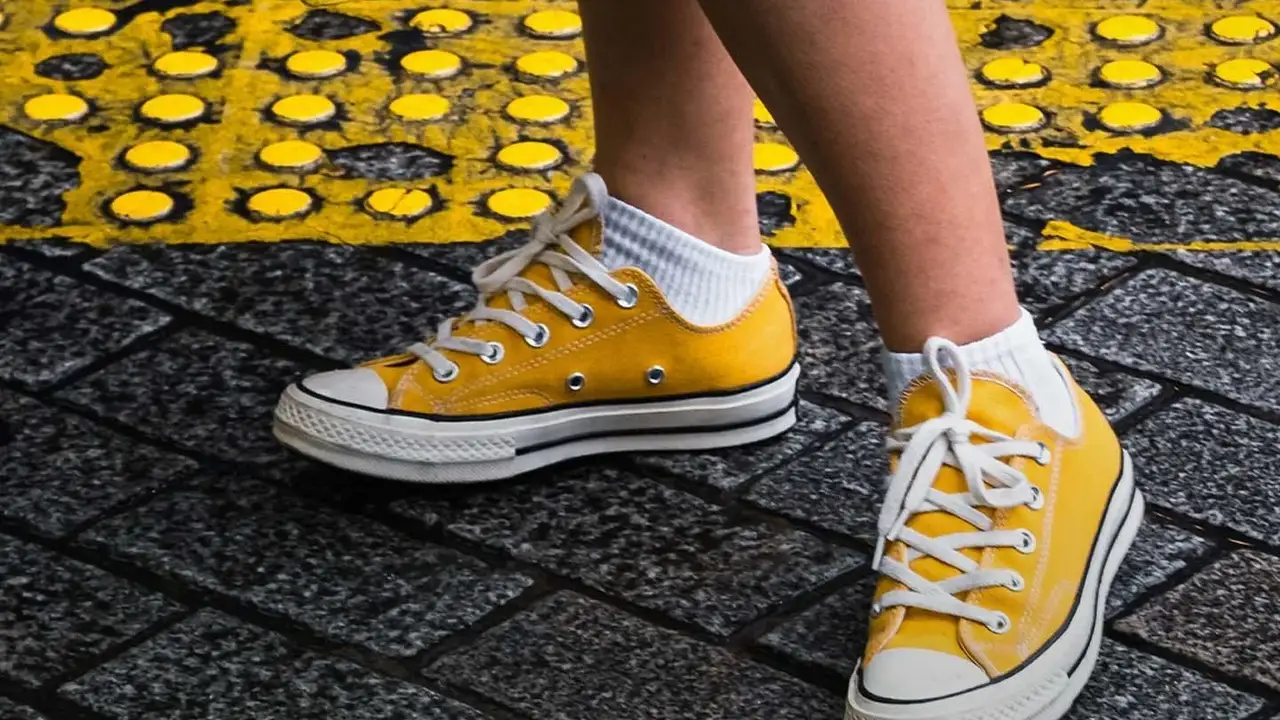
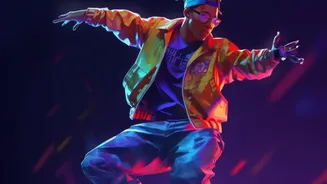
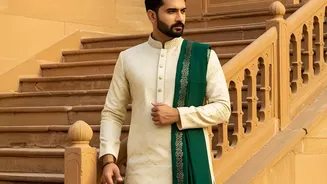
The magic lies in how these ancient fabrics are being reinterpreted. Khadi, the fabric of India's freedom movement, is no longer just for kurtas and politician's jackets. It’s being transformed into 'Khadi denim', oversized shirts, and even dyed with neon pigments for a futuristic edge. Similarly, the intricate, geometric patterns of Ikat, a complex dyeing technique from Gujarat, Odisha, and Telangana, are now found on statement-making bomber jackets, co-ord sets, and even sneakers. Other crafts like Kalamkari, Ajrakh block-printing, and Kantha embroidery are being seamlessly integrated into modern silhouettes, appearing on everything from hoodies to utility jackets. The result is a fusion that feels both rooted and rebellious.
The Brands Redefining 'Made in India'
A vibrant ecosystem of homegrown labels is driving this change. Brands like Farak in Jaipur bridge the gap between folk traditions and the grammar of global streetwear. Others, such as VegNonVeg, India's original sneaker store, have expanded into apparel that marries local craft with contemporary silhouettes, using techniques like Ajrakh printing on streetwear staples. Labels like Johargram focus on the indigenous textiles of Jharkhand, while Paiwand champions sustainability by upcycling textile waste into new handloom fabrics. These brands are proving that 'Made in India' can be synonymous with cutting-edge design, ethical production, and global appeal, all while celebrating the country’s rich textile heritage.