





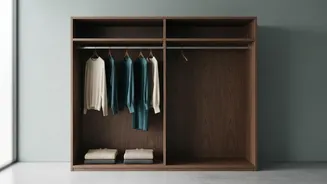


Thinking Like a Wardrobe Manager
The core idea is simple: before you buy a piece of clothing, you must define its specific role or 'job' in your life. This shifts your mindset from a passive consumer to an active curator. It's not just about whether you like an item; it’s about whether you need
it to perform a specific function. Is this a blouse for important client meetings? Are these the perfect jeans for weekend errands? Will this dress serve as your go-to for summer weddings? By framing the decision this way, you force yourself to justify the purchase based on practical need rather than a fleeting whim. This approach is the first line of defense against impulse buys and the dreaded 'aspirational' purchases for a lifestyle you don't actually lead.
The Benefits of a Purpose-Driven Closet
Assigning jobs to your clothes has benefits that extend far beyond a tidy closet. First, it saves you money by preventing redundant or useless purchases. When you know you already have three 'workhorse' tops, you're less likely to buy a fourth. Second, it dramatically reduces decision fatigue. Getting dressed becomes quicker and less stressful when every item has a clear purpose. Third, it’s a more sustainable way to engage with fashion. You end up buying fewer, better things that you will wear more often. This increases the value of each garment by lowering its 'cost per wear'—the total price of an item divided by the number of times you wear it. An item you wear frequently, even if it has a higher initial price, often provides better long-term value than a cheap, trendy piece worn only once or twice.
How to 'Hire' a New Piece of Clothing
Before you head to the store or browse online, start by identifying a 'job opening' in your wardrobe. What gaps do you have? Maybe you need a smart-casual jacket that can be dressed up or down. That’s your job description. When you shop, you are now looking to fill that specific role. As you consider a candidate (a potential clothing item), ask yourself a series of interview questions: Does this fit the job description I created? Does it work well with my existing 'team' of clothes? Can I create at least three distinct outfits with it using pieces I already own? Is the quality high enough for it to perform its job reliably for a long time? Answering these questions honestly helps ensure that every new item is a strategic addition, not just clutter.
Conducting a Performance Review on Your Current Wardrobe
This strategy isn’t just for new clothes; it’s a powerful tool for auditing what you already own. Go through your closet item by item and assign each a job title. You'll quickly discover which pieces are your star employees—the ones you reach for constantly. You'll also identify the underperformers and the 'unemployed'. For items that aren't earning their keep, you have a few options. Can they be 'retrained' through tailoring to fill a different role? For example, hemming a pair of ill-fitting jeans might turn them into a wardrobe staple, drastically lowering their cost per wear. Or is it time to let them go through donation or resale? This process helps you understand your own style and habits better, revealing what truly works for your actual life.