



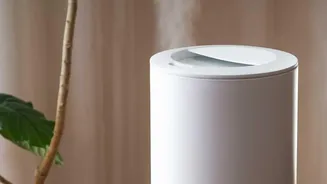

Invest in a High-Quality Air Purifier
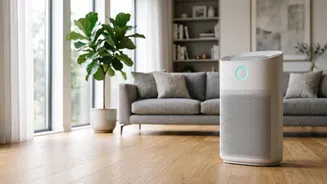
An effective air purifier is your first line of defense. When choosing one, focus on two key metrics: a High-Efficiency Particulate Air (HEPA) filter and the Clean Air Delivery Rate (CADR). A true HEPA filter is certified to capture at least 99.97% of tiny
airborne particles like PM2.5, which are the most dangerous to your health. The CADR indicates how quickly the purifier cleans a room, measured in cubic feet per minute. The Association of Home Appliance Manufacturers suggests a CADR that is at least two-thirds of your room's area in square feet. For example, a 150-square-foot room needs a purifier with a CADR of at least 100. Place the unit in the room where you spend the most time, like the bedroom, to maximize its benefit.
Seal Your Home, But Ventilate Smartly
Polluted air is sneaky; it enters through small cracks around windows, gaps under doors, and other unsealed openings. Use weatherstripping tape and door seals to block these entry points. However, homes still need ventilation to flush out indoor pollutants that build up from cooking, cleaning, and even breathing. The key is timing. Keep windows closed during peak pollution hours (usually early morning and late evening). Monitor the outdoor Air Quality Index (AQI) and open windows for 15-30 minutes during the 'cleanest' part of the day, which is often in the early afternoon when the sun is out.
Mind Your Indoor Pollution Sources
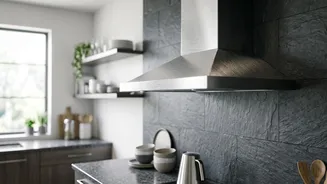
Your home generates its own pollutants. High-heat cooking, especially frying and tadka, releases fine particulate matter. Always use your kitchen's exhaust fan or chimney when cooking, ensuring it vents outside. Avoid using incense sticks (agarbatti) and candles, which contribute to indoor smoke. Opt for 'low-VOC' or 'zero-VOC' (Volatile Organic Compounds) paints and cleaning products, as many standard household items release harmful chemicals into the air. Regular cleaning, such as dusting with a damp cloth and vacuuming with a HEPA-filter vacuum, also prevents settled dust from becoming airborne again.
Bring in the Right Houseplants
While not a substitute for an air purifier, certain houseplants can help filter common indoor toxins and improve air quality. Plants like the Snake Plant, Areca Palm, Money Plant, and Peace Lily are known for their air-purifying properties and are well-suited to Indian homes. The Snake Plant is particularly effective because it releases oxygen at night, making it ideal for bedrooms. Areca Palms help remove compounds like xylene and toluene, often found in paints and adhesives. These plants are relatively low-maintenance and add a touch of nature while quietly working to clean your air.
Control Indoor Humidity
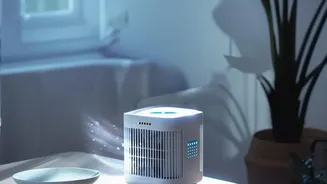
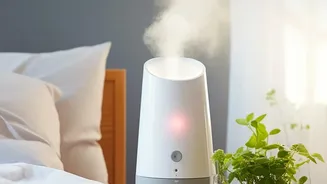
Moisture control is an often-overlooked aspect of indoor air quality. High humidity levels, ideally kept below 60%, can lead to the growth of mould and mildew, which release spores into the air and can trigger allergies and respiratory issues. Use exhaust fans in bathrooms after a shower and while cooking to vent moist air outside. Fix any water leaks promptly. During particularly damp periods, a dehumidifier can be a useful tool to maintain a healthy humidity balance in your home, preventing mould before it has a chance to grow.
Monitor Your Air to Know What Works
You can't manage what you don't measure. Investing in a simple, portable indoor air quality monitor helps you understand the state of your home's air in real-time. These devices typically measure PM2.5 levels, and some also track CO2 and VOCs. A monitor can show you how effective your strategies are—for instance, you can see the PM2.5 levels drop after turning on your air purifier or rise significantly while cooking. This data empowers you to make smarter decisions, such as knowing when to ventilate, when to run the purifier on a higher setting, or when to avoid certain activities.