






The Challenge of Urban Noise
Living in a bustling Indian city comes with a vibrant soundscape, but that energy can feel overwhelming when it follows you inside. Traffic, construction, and close neighbours contribute to a near-constant level of background noise. For those living and often
working in compact apartment studios, this acoustic intrusion affects concentration, relaxation, and overall well-being. Traditional soundproofing can be expensive, complicated, and often involves synthetic materials. This has left a gap in the market for a solution that is both effective and aligns with a more conscious, modern lifestyle.
From Agricultural Waste to Acoustic Walls
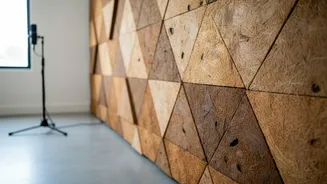
Enter the new wave of sustainable design: acoustic panels made from agricultural byproducts. The 'husk' in the headline most commonly refers to materials like coconut coir (from coconut husks), rice husks, and even hemp or corn husks. These materials are typically considered waste in the farming process, often burned or discarded. Now, innovators are harnessing their natural properties. By processing these husks, fibres are extracted and compressed into dense, rigid panels. This process turns an abundant, low-cost resource into a high-value product for interior architecture and design.
The Science of Softer Sounds
It's important to clarify what these panels do. While the headline uses 'soundproof', a more accurate term is 'sound-absorbing'. Soundproofing aims to block sound from entering or leaving a room, which usually requires dense, heavy construction. These husk-based panels excel at sound absorption, meaning they reduce echo and reverberation within a space. The natural, porous, and fibrous structure of materials like coir is excellent at trapping sound waves, converting the sound energy into tiny amounts of heat and stopping it from bouncing around the room. This makes speech clearer, music more defined, and the overall environment much calmer and less jarring.
More Than Just Quiet
The primary appeal might be acoustic, but the benefits of these panels are manifold. First and foremost is sustainability. They are made from renewable resources, are biodegradable, and give a second life to agricultural waste. Unlike synthetic foam or mineral wool panels, many of these natural alternatives are made without toxic binders or chemicals, contributing to healthier indoor air quality. They are often free of Volatile Organic Compounds (VOCs) and don't shed microplastics. Furthermore, they offer a unique, natural aesthetic. The warm, textured surface can become a design feature, adding a touch of organic modernism to a studio apartment far removed from the sterile look of traditional acoustic foam.
Are Husk Panels Right For You?
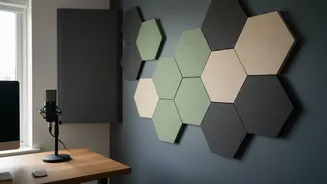
For a city dweller in a studio, these panels can be a fantastic addition. They are ideal for creating a home office zone with better audio clarity for video calls, a 'quiet corner' for reading, or for improving the experience in a home theatre setup. They are lightweight and relatively easy to install on walls or ceilings. However, it's crucial to have realistic expectations. They will not completely block out the sound of a loud neighbour or heavy traffic. Their strength lies in improving the acoustic comfort inside your room. The cost is also becoming increasingly competitive as the technology becomes more common, often presenting a more affordable option than traditional, high-end acoustic treatments.