



Destination Diligence: Choose Your Location Wisely
Not all hill stations are created equal during the monsoon. Some regions are far more susceptible to landslides than others. Before you book, research the area's history. The Geological Survey of India (GSI) and state disaster management websites are key
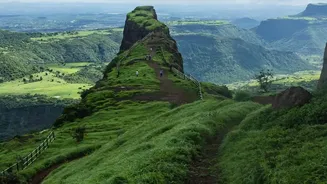
resources. Places in the Himalayan belt like parts of Himachal Pradesh, Uttarakhand, and Sikkim can be particularly vulnerable, with single-lifeline highways that are prone to closures. Consider destinations in the Western Ghats like Coorg, Mahabaleshwar, or Munnar, which often have better-maintained roads and infrastructure but still require caution. Avoid areas with recent, heavy construction on slopes or those known for frequent slides. A good rule of thumb is to choose well-established tourist spots over remote, difficult-to-access villages during peak rains.
Master the Pre-Trip Check
A few days before you leave, your most important task is to become a weather-watcher. The India Meteorological Department (IMD) is your most reliable source. Pay close attention to colour-coded alerts: an Orange alert means “be prepared” and is a signal to reconsider your plans, while a Red alert means “take action” and is a definitive reason to cancel or postpone. Beyond the forecast, use official apps like the National Disaster Management Authority’s (NDMA) ‘Sachet’ for disaster warnings or state-specific apps like Karnataka’s ‘Sidilu’ for localised alerts. Also, check the real-time road status. Many state police departments post updates on social media about road closures or blockages due to landslides.
Smart and Safe Travel
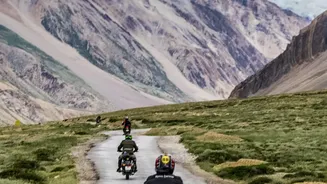
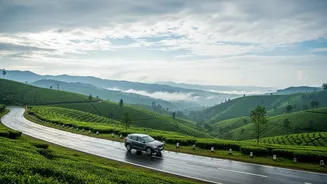
How you travel is just as important as where you’re going. Always plan your journey during daylight hours. Most landslide-related accidents on hill roads occur at night or during heavy downpours when visibility is poor and fallen debris is hard to spot. If driving, ensure your vehicle's tyres, brakes, and wipers are in excellent condition. On wet, winding roads, reduce your speed, maintain a generous distance from other cars, and avoid sudden braking. When walking, steer clear of the edges of slopes and stick to well-maintained paths. It’s also wise to build buffer days into your itinerary. A two-day trip can easily become a four-day ordeal if a road gets blocked. Having that extra time means you won't be forced to travel in dangerous conditions.
Pack for Preparedness, Not Just for Rain
Your monsoon packing list needs to go beyond a simple umbrella. A sturdy raincoat or poncho is essential, as umbrellas are often useless against strong hillside winds. Opt for quick-drying synthetic clothes and waterproof footwear with excellent grip. Pack everything in waterproof bags or use zip-lock bags inside your main luggage to keep essentials dry. Your emergency kit should include a powerful torch, a fully charged power bank, a basic first-aid kit with any personal medications, and some non-perishable, high-energy snacks and water. Power cuts and road closures can leave you stranded, so being self-sufficient for a day or two is a crucial part of the plan.
On-the-Ground Awareness Is Key
Once you’re at your destination, stay vigilant. Take note of your surroundings and listen to local advice. Be aware of early warning signs of land instability, such as new cracks appearing in soil or pavement, leaning trees or utility poles, or faint rumbling sounds that grow louder. If you see anything concerning, inform local authorities and move to a safer location. When choosing your accommodation, book a place on stable, higher ground, away from steep slopes or riverbanks that could flood. If you're caught in your car during a slide and cannot drive away, stay inside the vehicle. The car provides a protective shell and makes you easier for rescuers to find. Curl into a ball and protect your head.