





The Sunday Special
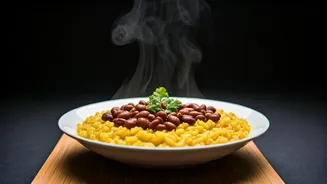
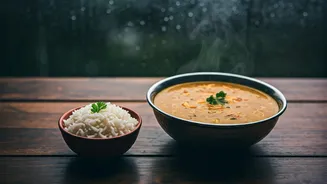
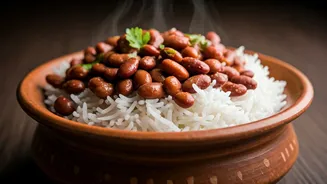
For countless families across North India and beyond, the unofficial scent of a lazy Sunday afternoon is that of Rajma Masala bubbling away on the stove. It’s a meal intrinsically linked with leisure, family, and a delightful sense of contentment. Paired
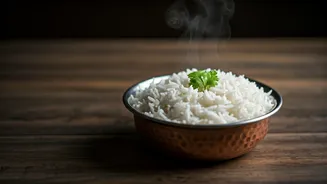
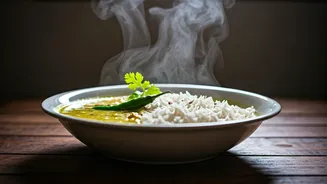
with fluffy, steamed rice, a simple salad of sliced onions, and perhaps a dollop of dahi, Rajma Chawal isn’t just lunch; it’s an event. It’s the punctuation mark at the end of a busy week, a dish that requires patience—the beans need soaking, the gravy needs slow-cooking—and rewards that patience tenfold with every comforting spoonful.
More Than Just Beans
What makes this dish so universally cherished? On the surface, it’s humble fare. Kidney beans, onions, tomatoes, ginger, garlic, and a symphony of familiar spices. There’s no exotic ingredient, no complex technique that requires a culinary degree. Yet, achieving the perfect Rajma Chawal is an art form passed down through generations. The secret lies in the balance. The creaminess of the beans, the tang of the tomatoes, the warmth of the garam masala, and the subtle heat of the spices must all work in harmony. It’s this simplicity, executed with love and intuition, that makes it taste like a hug in a bowl. Each household has its own version—some like it thick, others prefer a thinner gravy; some add a touch of cream, others swear by a final tempering of ghee and spices. But the soul of the dish remains the same.
A Journey Across Continents
Interestingly, the star ingredient, rajma (kidney bean), is not native to India. It journeyed from the Americas, specifically Mexico and Peru, to Europe and then found its way to the subcontinent through trade routes. While the bean itself is a foreigner, India adopted it and made it unequivocally its own. The Punjabi kitchen, in particular, embraced it wholeheartedly, creating the iconic gravy that has now become a staple across the country. This journey from an imported legume to the heart of Indian comfort food is a testament to the adaptability and genius of our culinary traditions. It took a foreign ingredient and wrapped it in the familiar, comforting flavours of home.
The Taste of Nostalgia
Ultimately, the power of Rajma Chawal lies in its connection to memory. For students living in hostels, it’s the most requested dish when they visit home. For young professionals in a new city, finding a dhaba that serves a decent plate of Rajma Chawal is like discovering a small piece of their childhood. It’s a sensory shortcut to a time and place where things were simpler. The flavour profile is so deeply ingrained in our collective palate that it transcends being just food. It’s a conversation with your past, a reminder of family lunch tables, and the reassuring knowledge that some things, thankfully, never change.
A Universal Comfort
From roadside dhabas where truck drivers stop for a hearty meal, to the dining tables of urban families, Rajma Chawal is a great equaliser. It cuts across class and regional divides, loved by all. It’s a dish that doesn’t demand attention with fancy plating or avant-garde ingredients. Its appeal is more fundamental. It’s nourishing, it’s flavourful, and it’s deeply, profoundly comforting. It answers a simple, human need for warmth and satisfaction, both for the body and the soul. In a world of fleeting food trends and complex fusion dishes, the enduring appeal of this classic meal is a reminder of the power of simple, honest cooking.