


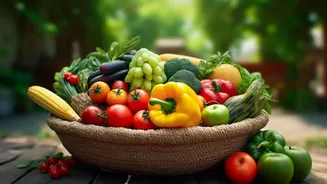

The Monsoon Health Challenge
As humidity rises, our digestive systems tend to slow down, making us more susceptible to bloating and stomach bugs. This is because high moisture in the air can reduce the activity of our digestive enzymes. The humid conditions are also a perfect breeding
ground for bacteria and fungi, increasing the risk of water-borne and food-borne infections. This is why traditional Indian wisdom and modern nutrition both advise a shift in diet, focusing on foods that are light, easy to digest, and packed with immunity-boosting nutrients to counter the seasons challenges.
Embrace the Humble Gourds
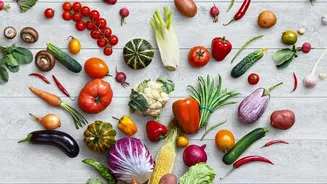
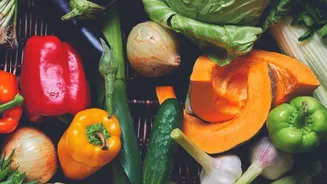
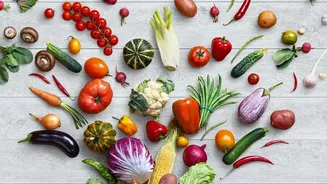
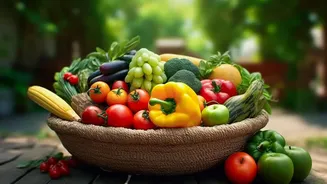
August is the peak season for a variety of gourds, which are ideal for monsoon meals. Vegetables like bottle gourd (lauki), ridge gourd (tori), and bitter gourd (karela) are incredibly beneficial. Lauki, for instance, is rich in water content and both soluble and insoluble fibres, which helps maintain a healthy digestive tract and keeps the body hydrated. Bitter gourd, despite its taste, is a powerhouse of Vitamin C and antioxidants that strengthen the immune system against common monsoon infections. It also has properties that promote good digestive health by stimulating digestive enzymes and bile production. These vegetables are light, easy to cook, and absorb spices well, making them perfect for gentle curries and soups.
The Golden Goodness of Corn
The sight of roasted 'bhutta' on a rainy day is a classic monsoon image for a reason. Corn is more than just a comforting snack; it's a nutritional powerhouse for this season. Rich in fibre, it aids digestion and promotes gut health, which can be sluggish during the monsoon. Corn is also a good source of B-complex vitamins, magnesium, and phosphorus, which help maintain energy levels. Furthermore, it contains antioxidants and Vitamin A, which play a role in strengthening the immune system, helping your body fend off seasonal illnesses.
Fruits for Flu-Fighting Vitality
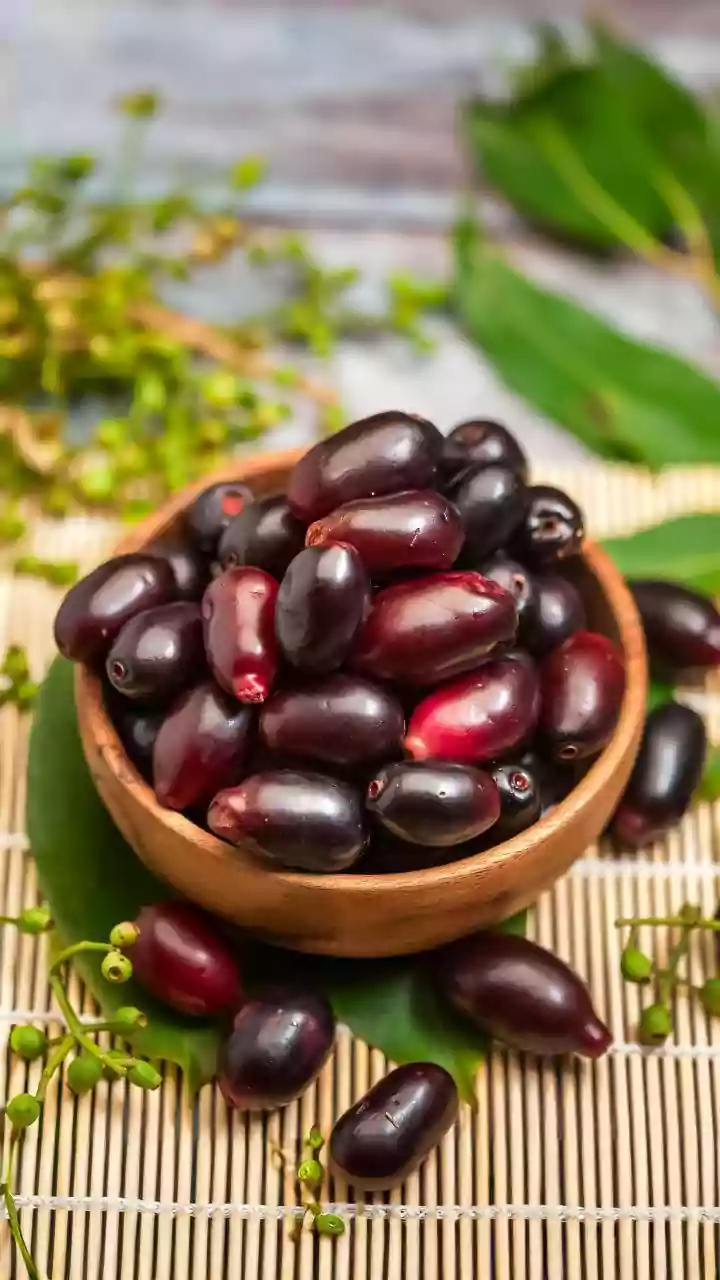
Shifting from the summers melons and mangoes, the monsoon fruit basket offers its own set of protectors. Pomegranates, which are in season in August, are packed with powerful antioxidants and Vitamin C that help fight viruses and bacteria. Apples and pears are other excellent choices; they are rich in dietary fibre and help maintain digestive health. Jamun (Indian blackberry) is another monsoon star, known for its ability to help with stomach problems and its rich iron and Vitamin C content. These fruits are best consumed fresh and whole to get their full nutritional benefits.
Warming Spices as a Shield
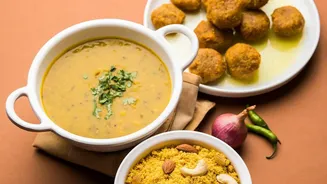
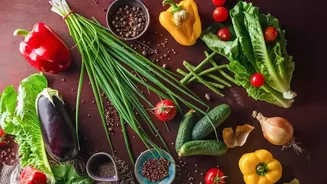
Beyond fruits and vegetables, a monsoon diet is incomplete without the inclusion of warming, antimicrobial spices. Ingredients like turmeric, ginger, and garlic are essential. Ginger is renowned for its anti-inflammatory and antiseptic properties, making it a go-to remedy for colds and sore throats. Turmeric is a potent immunity booster, while garlic has natural antibacterial qualities. Incorporating these spices into your dals, soups, and vegetable preparations not only adds flavour but also provides an extra layer of protection for your body.