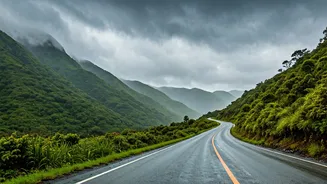








The Allure of Rain-Soaked Peaks
There is a reason why so many are drawn to the mountains when the monsoon arrives. The scorching summer heat gives way to cool, fresh breezes. Landscapes transform into a vibrant, saturated green, with waterfalls like those in Mahabaleshwar and Coorg
coming alive, cascading down slopes in full glory. Places like Munnar in Kerala and Mussoorie in Uttarakhand are draped in mist, creating a serene, almost dreamlike atmosphere. The air is clean, the crowds of the peak summer season have thinned, and the world seems to slow down, making it an ideal escape for nature lovers and those seeking tranquillity.
The Reality Behind the Romance
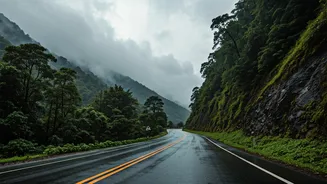
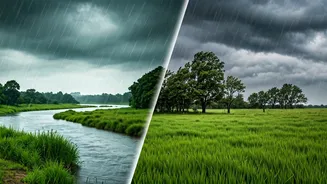
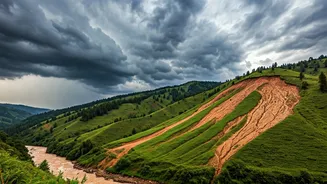
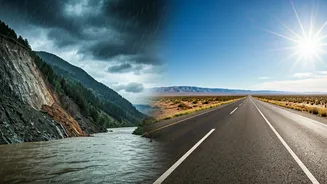
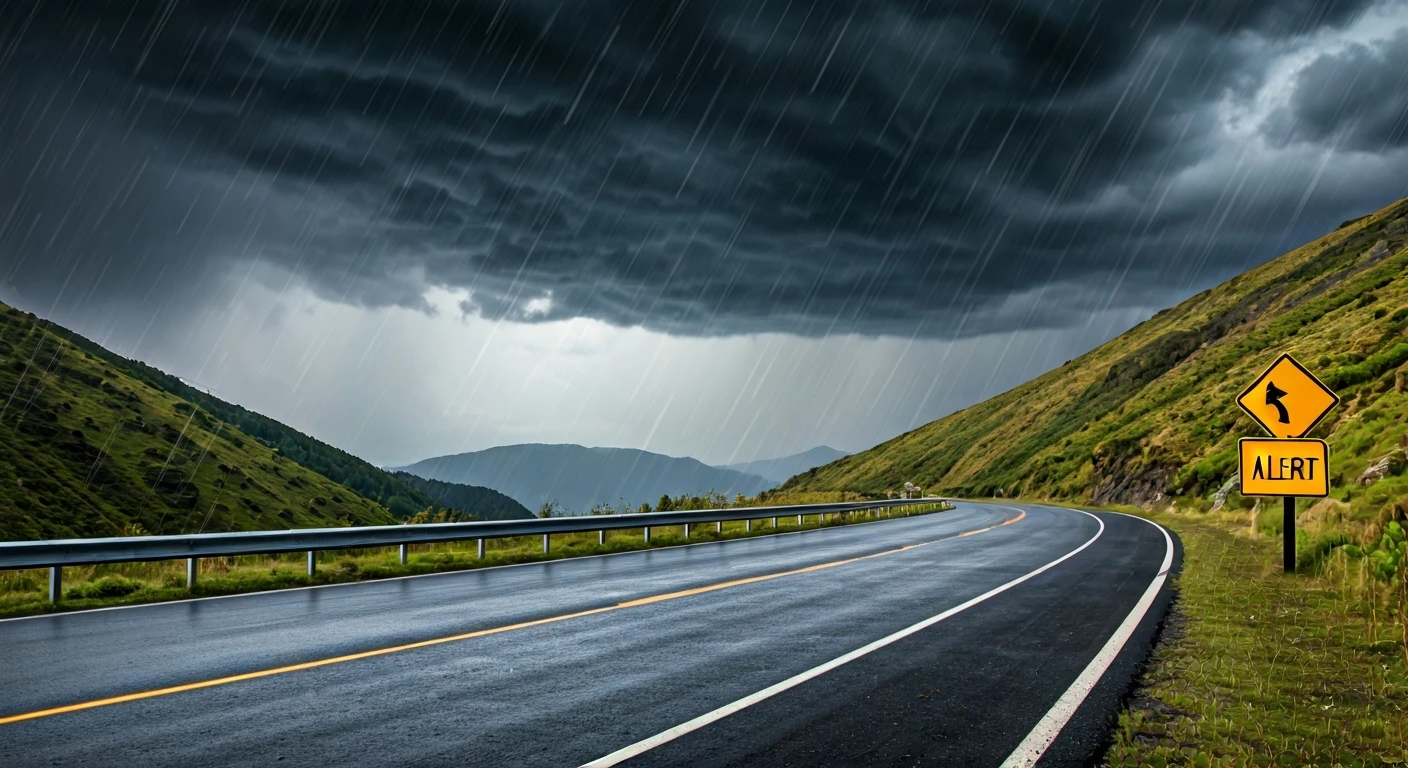
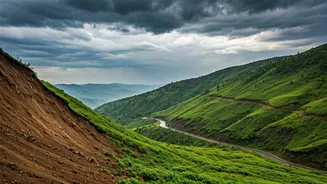
Beneath the picturesque surface, however, lies a significant and growing risk. The same rains that create this beauty also saturate the soil on steep slopes, leading to a dramatic increase in landslides and flash floods. In recent years, heavy monsoon spells have frequently caused devastation in Himalayan states like Himachal Pradesh and Uttarakhand, as well as in the Western Ghats. Roads become treacherous or get blocked entirely, sometimes for days, leaving tourists stranded. Flash floods can turn gentle streams into raging torrents with little warning. The India Meteorological Department (IMD) regularly issues warnings for heavy rainfall in these vulnerable regions, highlighting the very real dangers.
Understanding the Increased Danger
The threat isn't just a matter of bad luck; it's a combination of geology and increasingly extreme weather. Many popular hill stations are situated in ecologically fragile zones. Unregulated construction has often weakened the natural stability of the hillsides. When combined with the trend of more intense, concentrated bursts of rainfall—a pattern linked to climate change—the risk of disaster escalates. Even in what is forecast to be a 'below-normal' monsoon year like 2026, the potential for sudden, severe cloudbursts remains a serious concern, as they can trigger landslides and flash floods unexpectedly.
How to Travel Smart and Stay Safe
This doesn't mean you must avoid the hills entirely, but it does mean that caution and preparation are non-negotiable. The first step is to stay informed. Always check the latest weather forecasts from the IMD and local authorities before and during your trip. Be aware of any orange or red alerts issued for your destination, which signal heavy to extremely heavy rainfall and a higher risk of disruption.
Here are some essential safety tips:
- Choose Your Destination Wisely: Some hill stations are more prone to landslides than others. Consider alternatives that are known to be relatively safer during heavy rains.
- Stay Flexible: Keep a buffer day or two in your itinerary. Roadblocks are common, and you may need extra time for your journey.
- Vehicle and Driving: If driving, ensure your car is in top condition, especially the tires, brakes, and wipers. Drive slowly, avoid travelling at night, and never attempt to cross flooded roads or streams.
- Pack Appropriately: Carry waterproof clothing, sturdy non-slip footwear, and a waterproof bag for your electronics and documents. A basic emergency kit with a flashlight, first-aid supplies, non-perishable snacks, and water is also crucial.
- Listen to Locals: Local residents have invaluable knowledge about which areas are safe and which are not. Heed their advice.