



Why Your Eyes and Your Car Struggle in Rain
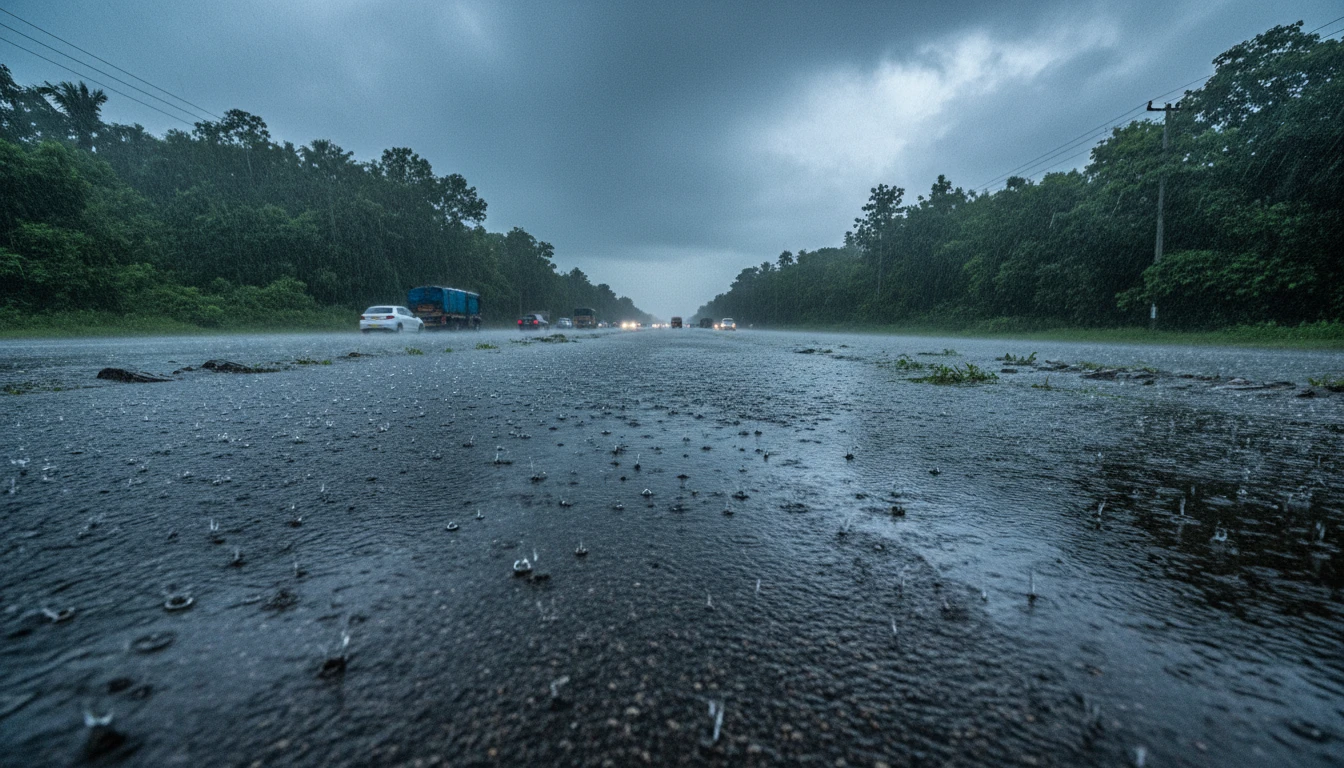
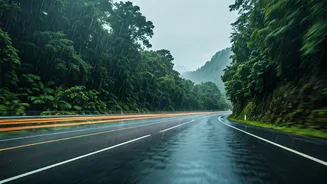
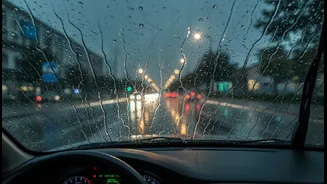
Driving in the rain isn't just about wet roads; it's a fundamental change in how you perceive your environment. Raindrops on the windshield distort and refract light, blurring your vision of the road ahead. [4] This effect is magnified at night, as the wet surfaces
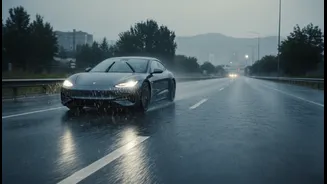
of roads and even the raindrops themselves scatter the light from headlights and streetlamps, creating intense glare. [4, 13] This makes it harder to judge distances and spot hazards. [4] Simultaneously, the high humidity can cause your windows to fog up from the inside, drastically reducing visibility if not managed quickly with your car's defogger or air conditioning. [4, 12] Your car's ability to grip the road is also severely compromised. Even a light drizzle can mix with oils on the road surface, creating a slick film that reduces traction. [22]
To See: Your Windscreen and Headlight Checklist
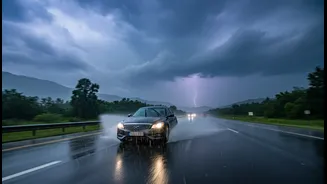
Before you even turn the key, ensuring your car is ready for low-visibility conditions is paramount. Your first line of defence is a clean, clear view. Check your windscreen wipers and replace them if they are worn or leave streaks. [5, 7] A clean windshield, inside and out, prevents smudging and reduces glare. [12] Next, check your lights. Ensure your headlamps, tail-lamps, and indicators are all working correctly. Use your low-beam headlights even during daytime rain. [3, 4] This isn't just to help you see, but to help other drivers see you. High beams should be avoided in heavy rain as they reflect off the water droplets in the air, scattering light back at you and making visibility even worse. [3, 12]
To Be Seen: Making Yourself Visible to Others
While making yourself visible is crucial, it's important to use the right signals. A common but dangerous practice in India is driving with hazard lights on during rain. [16] Hazard lights are designed to indicate a stationary vehicle that poses a risk. [23, 24] Using them while moving can confuse other drivers, as it makes it impossible for them to know if you are braking or about to turn. [16] The correct procedure is to switch on your low-beam headlights and, if you have them, your rear fog lamps. This makes your vehicle consistently visible without creating confusion. Maintaining a greater following distance—at least five seconds behind the car in front of you—also gives other drivers more time to see you and react. [7, 25]
The Deception of Speed and Water
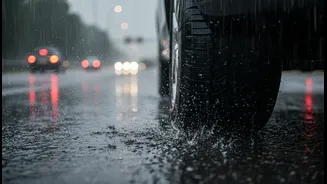
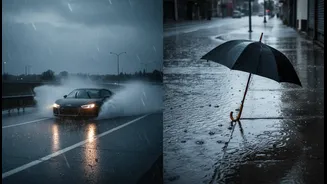
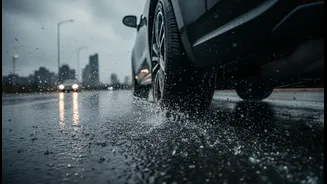
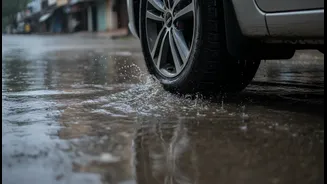
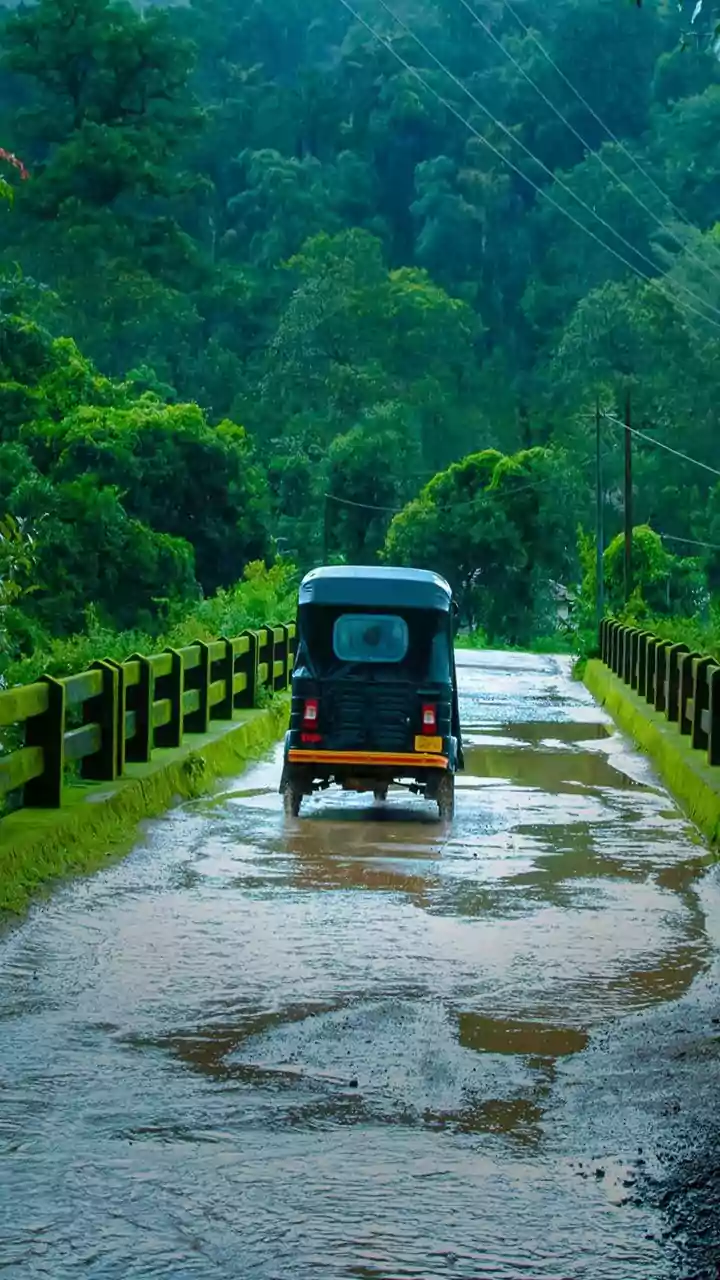
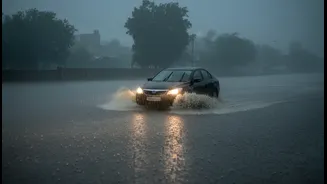
The core reason speed is so dangerous in the rain is a phenomenon called hydroplaning, or aquaplaning. [3, 14] This occurs when your tyres can't disperse water on the road surface fast enough, causing them to ride on a thin layer of water instead of making contact with the pavement. [2, 7] This can happen at speeds as low as 50-60 kmph, especially if tyre treads are worn. [3] When hydroplaning, you lose all steering and braking control. [14] The higher your speed, the greater the risk. [9] Recent warnings from authorities in India have highlighted excessive speed on wet roads as a primary cause of fatal accidents during the monsoon. [14] Braking distances are also significantly longer on wet surfaces, and painted road markings like zebra crossings become extremely slippery. [3]
A Mindset Shift for Monsoon Driving
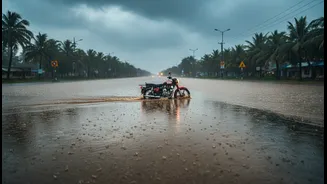
Safe monsoon driving requires a shift in priorities from speed to awareness. Instead of focusing on getting to your destination quickly, focus on maintaining a 'bubble of safety' around your vehicle. This involves constantly scanning for potential hazards, managing your visibility, and ensuring you are visible to others. Slow down significantly before you encounter large puddles to avoid hydroplaning and splashing water onto pedestrians and two-wheelers. If you find your vehicle beginning to skid, do not panic or slam the brakes. Gently ease off the accelerator and steer in the direction you want the car to go until the tyres regain traction. [14, 25] Driving slower doesn't just give you more time to react; it reduces the physical forces that can cause you to lose control in the first place.