



The New Frontier for Food
For years, the focus of India's food and beverage industry was squarely on major metro areas. Today, the real growth story is unfolding in Tier-2 and Tier-3 cities like Lucknow, Jaipur, Coimbatore, and Nagpur. Spurred by rising incomes, digital awareness
from social media, and lower operating costs, these cities are becoming hotspots for restaurants and cloud kitchens. Food delivery transactions in these smaller cities have roughly tripled in the last five years, signalling a massive shift in consumer behaviour. However, serving these markets comes with unique challenges, including potentially longer delivery times and different logistical hurdles than in dense urban centres, forcing a complete rethink of the delivery menu.
Designing for the Journey
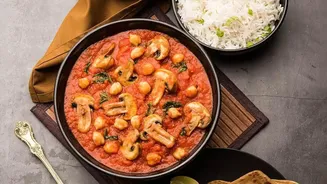
The core of this new movement is a simple but revolutionary idea: not all food travels well, so dishes must be engineered for the journey. This goes beyond better packaging; it’s about fundamental menu innovation. Chefs are now curating delivery-specific menus, prioritising items that retain their texture, temperature, and taste. This involves choosing resilient ingredients—like crisp greens and nuts that don't wilt—and avoiding combinations that are destined for failure, such as dishes with mixed hot and cold components that can become a soggy mess. The goal is to ensure the meal that arrives at a customer's doorstep is as close as possible to the chef's original vision, even after a 30-minute ride.
The Rise of Deconstructed Dining
One of the most creative solutions to emerge is the 'deconstructed' meal kit. Instead of sending a fully assembled burger that could get soggy, restaurants are packing the patty, buns, and fresh toppings separately, allowing the customer to do the final, simple assembly at home. This concept extends to a variety of cuisines. Think of a pho kit with noodles and garnishes in one container and a separate flask of hot broth to be poured over just before eating. This approach not only preserves the integrity of the ingredients but also creates an interactive and fresh dining experience for the customer, turning a simple delivery into a fun, quick culinary activity.
Smarter Kitchens, Smarter Menus
This evolution is heavily supported by technology and data. Cloud kitchens, which are delivery-only establishments, are particularly adept at this. With lower overheads, they can focus entirely on optimising for delivery. They use data from ordering platforms to understand what customers in a specific area crave and when, allowing them to tailor their menus for peak times and preferences. If data shows a lunchtime demand for healthy options, a kitchen can feature protein bowls and salads that are specifically designed to hold up during transit. This data-driven approach minimises waste and maximises customer satisfaction, making the entire operation more efficient and profitable.
Packaging Becomes the Experience
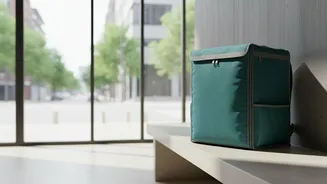
In a delivery-only world, the packaging is the new restaurant ambience. It's the first and only physical touchpoint a customer has with the brand. Recognizing this, restaurants are investing in innovative packaging solutions that do more than just hold food. We're seeing compartmentalised containers that keep wet and dry ingredients separate, materials that maintain temperature better, and a significant shift toward sustainable, compostable options as both regulations and consumer awareness grow. Some are even making cutlery an opt-in choice to reduce waste and cost, a small change that signals a brand's commitment to quality and sustainability.