




The Comfort of a Guaranteed Morning Meal
Mornings in India can be vibrant and chaotic. For a first-time visitor, navigating a new city in search of a suitable breakfast spot can be daunting, especially after a long flight or before an early start. Opting for a hotel breakfast removes this 'decision
fatigue'. It provides a reliable, stress-free start to your day, allowing you to fuel up without worrying about restaurant timings or locations. This is particularly valuable for business travellers on a tight schedule, families with children, or anyone heading out for early morning sightseeing or temple visits. The convenience of simply walking downstairs to a waiting meal is a calm anchor in an otherwise bustling itinerary.
A Safe and Gentle Introduction to Indian Cuisine
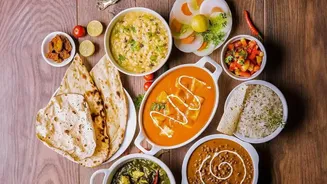
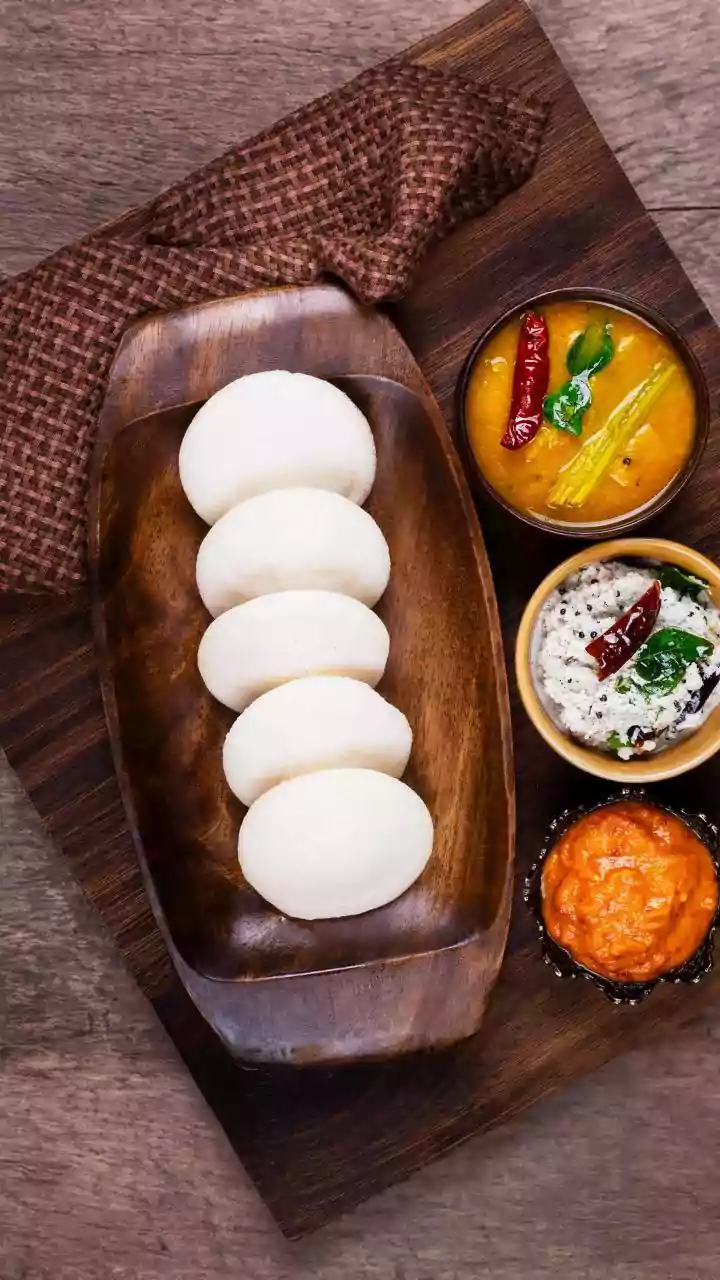
For many tourists, a key concern is food safety. While India's street food is legendary, a hotel breakfast buffet offers a curated and hygienic environment to sample the country's diverse morning fare. It's a culinary gateway. Most mid-range and luxury hotels offer an expansive spread that includes both familiar continental options—like toast, eggs, and pastries—and a rotating selection of Indian classics. You can try soft idlis (steamed rice cakes) with sambar from the South, fluffy parathas (stuffed flatbreads) from the North, or savoury poha (flattened rice) from the West, all in one place. This allows you to discover regional flavours and find what you like before venturing out to local eateries.
The Surprising Economics of Hotel Breakfast
While eating out in India can be affordable, a hotel breakfast is often more cost-effective than it appears. The price difference between a room-only rate and a breakfast-included rate can be minimal, often just a few hundred rupees. When you factor in the cost of travelling to a separate cafe or restaurant and paying for individual dishes and coffee for one or more people, the buffet's value becomes clear. These spreads are typically all-you-can-eat, offering a wide variety of dishes, fruits, juices, and coffee that would cost significantly more if purchased à la carte. Research shows that for many travellers, especially those from within India and Asia, the value and convenience offered by a complimentary breakfast is a major factor in booking.
Beyond Breakfast: Should You Go Half-Board or Full-Board?
If including breakfast is a good idea, what about other meals? Many hotels offer half-board (breakfast and one other meal, usually dinner) or full-board (all three meals) plans. The decision depends on your travel style. For families or travellers who prefer to relax at their resort, an all-inclusive or full-board plan can be extremely convenient and helps manage the budget by covering most costs upfront. However, for adventurous foodies eager to explore local culinary scenes, these plans can be restrictive. A half-board plan can offer a good compromise, providing the convenience of a guaranteed dinner after a long day of sightseeing while leaving lunchtimes free to explore local restaurants and cafes.
Making the Right Choice for Your Trip
Ultimately, the best meal plan depends on your priorities. If you are an adventurous traveller on a tight budget who wants to dive deep into street food culture, perhaps only booking breakfast is the right move. However, for most tourists, the benefits of a breakfast-inclusive booking are hard to ignore. The combination of convenience, cost-effectiveness, and the opportunity for a gentle culinary introduction makes it a smart choice. Indian hotel breakfasts, particularly in premium establishments, are often an experience in themselves, offering vast, high-quality spreads that stand in contrast to their Western counterparts. Before you book, compare the rates and consider your own travel rhythm to make the decision that best supports your perfect Indian adventure.