




1. The Hardy Snake Plant
Often called 'mother-in-law's tongue', the Snake Plant is a superstar for apartment dwellers. It's incredibly low-maintenance and is well-regarded for its air-purifying qualities. A study by NASA highlighted its ability to filter common indoor toxins.
What makes it perfect for the monsoon is its unique ability to convert carbon dioxide into oxygen at night, which can help regulate healthy airflow and keep the bedroom feeling fresh even when windows are shut against the rain. It also helps to lessen the impact of airborne allergens like dust by adding a bit of moisture and oxygen to the air. It tolerates low light and infrequent watering, making it ideal for busy renters.
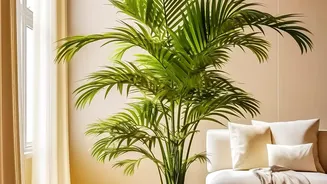
2. The Elegant Areca Palm
Bring a touch of the tropics indoors with the Areca Palm. Its feathery fronds aren't just for looks; this plant is known to act as a natural humidifier, releasing moisture that can help balance dry indoor air, but it also thrives in humidity. Palms are native to humid regions and absorb some moisture through their leaves, which can help combat that stuffy feeling during the monsoon. Areca Palms do well in bright, indirect light and prefer the soil to be consistently moist but not waterlogged. By helping to clean the air of certain pollutants, it contributes to a more pleasant atmosphere in your living room or study.
3. The Prolific Spider Plant
The Spider Plant is one of the easiest houseplants to grow and is a resilient choice for beginners. It's known for its ability to combat pollutants like formaldehyde and carbon monoxide. These plants are particularly good at absorbing excess indoor humidity, a welcome benefit during the persistently damp monsoon months. They are adaptable and can thrive in various conditions, although they prefer bright, indirect light. Their cascading leaves make them a great choice for hanging baskets, saving precious floor space in a smaller apartment while working to keep the air cleaner.
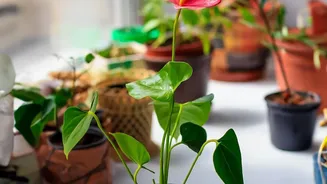
4. The Graceful Peace Lily
With its elegant white blooms and glossy dark leaves, the Peace Lily is a beautiful addition that works hard. It helps to reduce humidity levels by absorbing moisture from the air through its leaves, even after being watered. This makes it a great candidate for spaces that feel particularly damp. Peace Lilies are also noted for their capacity to absorb airborne mould spores and neutralize toxic gases. They prefer shaded areas and thrive in the high-humidity conditions typical of the monsoon season, making them a natural fit for keeping your home environment comfortable.
5. The Versatile Money Plant (Golden Pothos)
Known as Golden Pothos or Devil's Ivy, the Money Plant is a household favourite in India for good reason. It’s a hardy vine that is very easy to care for and is effective at filtering various airborne pollutants. As a climbing vine, it is excellent at absorbing moisture from its surroundings to help reduce dampness. It is remarkably tolerant of different light levels and is forgiving if you forget to water it occasionally. Its versatility allows it to be grown in a pot or a water-filled bottle, adding a splash of green to any corner while helping to freshen the air.
Bonus: Natural Clay Absorbers
Beyond plants, natural absorbers can be a powerful ally. Bentonite clay desiccants are an eco-friendly way to tackle excess moisture. This natural clay has a porous structure that traps and holds water molecules from the air, directly reducing humidity. Unlike electric dehumidifiers, they are silent, require no power, and are safe. You can find them as small sachets or bags. For a DIY approach, activated charcoal or even baking soda placed in bowls can also absorb moisture and odours in smaller, enclosed spaces like cupboards and wardrobes, preventing that musty monsoon smell.