





The Fibre Factor
The single biggest difference between a mango slice and a glass of mango juice is fibre. When you eat a whole mango, you consume all its glorious dietary fibre. This is crucial for several reasons. Fibre slows down digestion, which helps you feel full
and satisfied. It aids in maintaining a healthy gut microbiome, feeding the good bacteria that are essential for overall health. More importantly, it plays a vital role in regulating how your body absorbs sugar. When you juice a mango, almost all of this beneficial fibre is stripped away and left behind in the pulp. What you're left with is essentially sugar-water, albeit with some vitamins. This removal of fibre is the primary reason why nutritionists and doctors will almost universally recommend eating your fruit rather than drinking it.
The Sugar Rush Problem
Both mango slices and mango juice contain natural sugar (fructose). However, your body processes them very differently. In a whole mango, the sugar is bound within the fruit's fibrous structure. This forces your digestive system to work harder to break it down and release the sugar, leading to a slow, steady rise in blood glucose levels.
In mango juice, the sugars are 'free' and unbound. Without any fibre to slow them down, they are absorbed into your bloodstream almost instantly. This causes a rapid spike in blood sugar, followed by a crash, which can leave you feeling tired and hungry again soon. For individuals managing blood sugar levels, such as those with insulin resistance or diabetes, this distinction is critically important. Over time, frequent consumption of high-sugar drinks can contribute to weight gain and other metabolic issues.
Feeling Full vs. Drinking Calories
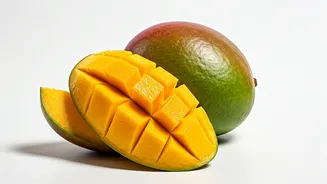
Think about the experience of consumption. Slicing and eating a medium-sized mango takes time. The acts of chewing and swallowing send signals to your brain that you are consuming food, triggering satiety hormones that tell you when you're full. You are far less likely to overeat.
Conversely, you can drink a glass of juice in under a minute. This juice might contain the sugar and calories of two or even three mangoes, but it provides almost none of the same feelings of fullness. Your brain doesn't register liquid calories in the same way it does solid food. This makes it incredibly easy to consume a large number of calories and a huge amount of sugar without feeling satisfied, which can sabotage weight management goals.
Nutrient Loss in Processing
While mangoes are packed with vitamins, particularly Vitamin C and Vitamin A, the process of juicing can compromise their integrity. Some vitamins are sensitive to heat, light, and oxygen. When a mango is cut, blended, and exposed to the air, some of these delicate nutrients begin to degrade. This is especially true for packaged juices. Most commercial juices undergo pasteurisation—a process that uses heat to kill bacteria and extend shelf life. Unfortunately, this heat also destroys a significant portion of the heat-sensitive vitamins, making the final product less nutritious than the original fruit.
What About Packaged 'Real' Juice?
Be wary of marketing claims on cartons. Even juices labelled "100% Fruit Juice" are nutritionally inferior for all the reasons mentioned above. Furthermore, many commercial mango drinks sold in India are not even 100% juice. They are often "mango-based drinks" or "nectars," which contain a small percentage of fruit pulp along with a lot of added water, sugar (often as high-fructose corn syrup), artificial flavours, and preservatives. These are essentially soft drinks disguised as a healthy option and offer little to no nutritional benefit.