
Beyond the Stamp: A New Era of Travel
For decades, international travel often meant flying into a capital city, leaving border regions as remote afterthoughts. However, a shift towards flexible visa policies is changing the map for travellers and local economies alike. By removing the need
for pre-arranged visas for those crossing by land, countries are encouraging a slower, more immersive form of travel. This simple change has profound effects, steering tourism away from crowded hubs and into less-explored areas rich in natural beauty. The result is a win-win: travellers get more authentic experiences, and local communities gain a sustainable source of income, creating a strong incentive to protect the very environments that attract visitors in the first place.
The ASEAN Example: Connecting Green Corridors
Southeast Asia is rapidly becoming a prime example of this strategy in action. Nations like Thailand, Malaysia, Vietnam, and Cambodia have been actively discussing and implementing visa-free arrangements to promote multi-country trips. An initiative for a unified, Schengen-style visa for six ASEAN nations aims to make regional travel seamless, allowing tourists to explore diverse ecosystems from the beaches of Thailand to the jungles of Cambodia on a single permit. This encourages overland routes, which directly benefit border towns and adjacent national parks. For instance, tourists can easily travel from Thailand to explore Cambodia's cultural and natural heritage, boosting economies in areas that were previously difficult to access. This interconnected approach not only simplifies logistics for travellers but also fosters regional cooperation in promoting the entire bloc as a unified, diverse destination.
An Economic Lifeline for Local Communities
The economic impact of visa-free overland travel extends deep into rural areas. When tourists can move freely across borders, their spending is distributed more evenly. Instead of revenue being concentrated in major airports and capital cities, it flows into small towns and villages that provide accommodation, food, and guide services. This creates jobs and provides a direct financial reason for communities to engage in conservation. For eco-lodges, local guides, and artisans in border regions, simplified travel is a powerful economic driver. It turns natural assets into a reliable source of income, empowering locals to become stewards of their environment and reducing reliance on less sustainable industries. The increase in visitors supports a cycle of growth, where tourism revenue is reinvested into improving infrastructure and conservation efforts.
Conservation Through Cross-Border Cooperation
Shared economic interests in tourism often pave the way for joint environmental protection efforts. When two countries benefit from tourists crossing their shared border to visit a national park or river system, they have a mutual incentive to protect that ecosystem. This has led to the strengthening of transboundary conservation areas, where neighbouring nations collaborate on anti-poaching patrols, habitat restoration, and sustainable tourism management. By framing conservation as an economic opportunity rather than a cost, visa-free policies help align the goals of development and environmental protection. This cooperative spirit is essential for managing ecosystems that don't recognize national boundaries, ensuring that vital habitats are preserved for generations to come.
Navigating the Challenges of Openness
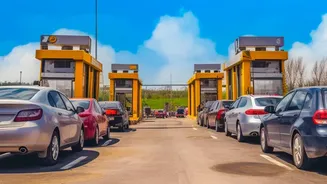
Despite the clear benefits, implementing flexible visa policies is not without its challenges. One major concern is the potential strain on border infrastructure and the need to manage tourist flows to prevent over-tourism in ecologically sensitive areas. Furthermore, countries must balance openness with security, ensuring that visa loopholes are not exploited for illegal activities, a concern that has led some nations to recalibrate their policies after an initial opening. For example, a surge in visitors using visa-free access as a backdoor for economic migration prompted Serbia to reverse its policy for some countries under pressure from the European Union. Success requires careful planning, investment in border facilities, and clear regulations to ensure that the growth in tourism remains sustainable and secure.