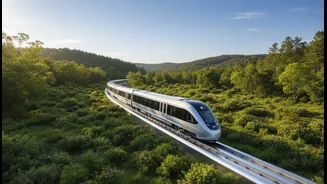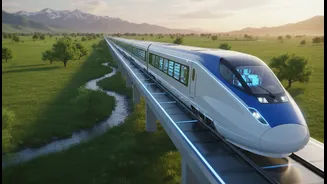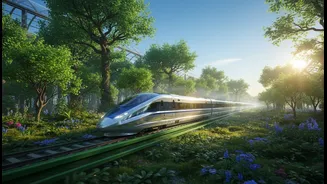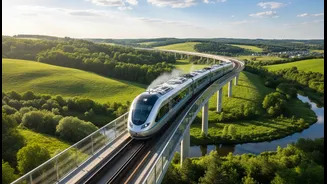





A Green Milestone for Indian Railways
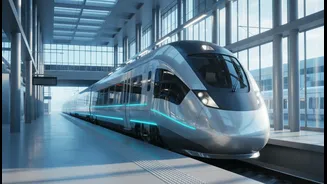
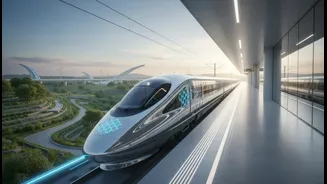
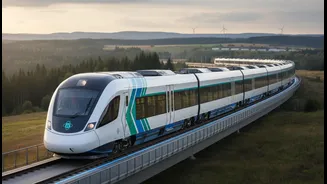
Indian Railways is on the cusp of a historic moment with the imminent launch of the country's first hydrogen-powered train. Prime Minister Narendra Modi is expected to inaugurate this pioneering service on July 17, 2026, from Jind in Haryana. Following
successful and extensive trials, the train is set for commercial operation on the nearly 90-kilometre Jind-Sonipat route. This launch places India in an elite group of nations, including Germany and China, that are harnessing hydrogen for clean rail transport. The project is a significant part of the 'Make in India' initiative and the country's broader Green Transport Mission, demonstrating a firm commitment to cleaner energy solutions in public transportation.
How Does a Hydrogen Train Work?
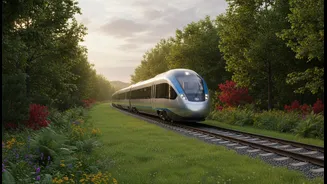
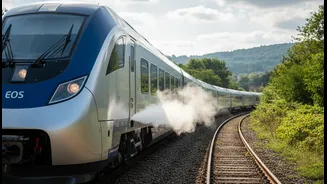
So, what makes this train a game-changer? It runs on hydrogen fuel cell technology. Think of it as a mobile power plant. The system takes hydrogen stored on the train and combines it with oxygen from the air. This chemical reaction generates electricity to power the motors, with the only byproducts being heat and water vapour. This means zero carbon emissions, no smoke, and none of the pollutants associated with traditional diesel engines. The train, developed by the Research Designs and Standards Organisation (RDSO) and built at the Integral Coach Factory in Chennai, is a 10-coach marvel designed for a futuristic, pollution-free journey.
The Heritage Tourism Connection
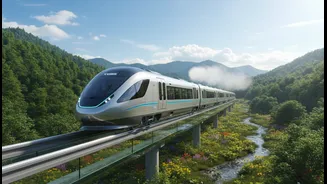
While the inaugural run is in Haryana, the bigger vision, dubbed 'Hydrogen for Heritage', is to deploy these clean-running trains on India's iconic, and often ecologically sensitive, heritage railway routes. Lines like the Kalka-Shimla Railway, a UNESCO World Heritage site, Darjeeling Himalayan Railway, and Nilgiri Mountain Railway are prime candidates. These routes, cherished for their historical charm and scenic beauty, often use old diesel locomotives. Introducing hydrogen trains would preserve the vintage feel while eliminating air and noise pollution, offering tourists a truly sustainable way to experience these treasures. It's a perfect blend of preserving the past and protecting the future.
A Boost for Sustainable Travel
This new technology provides a powerful 'hook' for sustainable tourism. For the modern, eco-conscious traveller, the journey is as important as the destination. The appeal of riding India's first hydrogen train, knowing it leaves a minimal environmental footprint, is a significant draw. It aligns perfectly with a growing global trend towards responsible travel. This initiative allows India to market its heritage routes not just for their beauty and history, but also for their commitment to green principles. It enhances the visitor experience, offering a quieter, cleaner ride through pristine landscapes, and reinforces India's image as a leader in sustainable innovation.
The Road Ahead: Challenges and Opportunities
The journey has just begun. While the Jind-Sonipat pilot is a major step, scaling up presents challenges. The cost of producing 'green' hydrogen (made using renewable energy) and building the necessary refuelling infrastructure is currently high. However, as technology advances and production scales, costs are expected to decrease. The successful performance of this pilot project will be crucial. If it meets expectations, it could pave the way for a wider rollout on other routes where full electrification is difficult, significantly reducing Indian Railways' dependence on diesel and helping the nation move closer to its ambitious goal of achieving Net Zero emissions.