





Beyond the National Weather Report
Every year, from October to December, the retreating monsoon, known as the Northeast Monsoon, brings significant rainfall primarily to Tamil Nadu, Puducherry, coastal Andhra Pradesh, Kerala, and parts of Karnataka. Unlike the broader Southwest Monsoon, this
system is known for its intense, localized downpours. A national forecast might show 'light showers', but on the ground, one district could be drenched by a sudden, heavy spell while a neighboring area remains dry. This unpredictability is precisely why broad-stroke updates are insufficient for travellers. The term 'monsoon' itself refers to a seasonal wind shift, and during this period, weather can change dramatically within just a few kilometers, turning a pleasant drive into a hazardous situation without warning.
The Real Risks of 'Just a Little Rain'
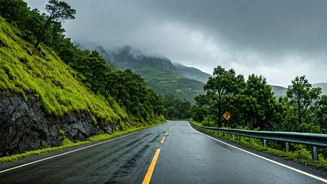
Underestimating the Northeast Monsoon can be dangerous. What seems like a simple downpour in a weather app can translate to very real on-the-ground risks. In urban areas like Chennai, intense bursts of rain can lead to severe waterlogging in a matter of hours, bringing traffic to a standstill. In hilly regions such as the Western Ghats in Tamil Nadu and Kerala, the danger is even greater. Sustained rainfall saturates the soil, dramatically increasing the risk of landslides that can block major highways and cut off entire towns. Flash floods are also a common occurrence, capable of turning gentle streams into raging torrents. These are not just inconveniences; they are serious safety threats that can derail itineraries and put travellers in peril.
Your Essential Toolkit for Local Updates
The good news is that staying informed is easier than ever, provided you know where to look. Your first stop should be the official sources. The India Meteorological Department (IMD) is the most reliable authority. Its 'Mausam' app provides district-level warnings, three-hourly 'nowcasts', and colour-coded alerts (yellow, orange, red) that help you understand the severity of expected weather. Beyond the IMD, each state has a Disaster Management Authority (SDMA) that issues specific advisories. It is also wise to follow the social media handles of regional IMD centres (like RMC Chennai) and local district collectors, who provide real-time updates on road closures and weather conditions.
On-the-Ground Intelligence is Key
Technology is a powerful tool, but it should be supplemented with human intelligence. When you are on the road, your best sources of information are often the local people. Before starting a journey, especially through a ghat section, talk to your hotel staff, a local taxi driver, or shopkeepers. They possess an intimate understanding of the area's geography and how it reacts to rainfall. They can tell you if a particular route is prone to flooding or if a bridge is known to submerge during heavy spells. This kind of hyper-local knowledge is invaluable and something no app can fully replicate. Trust their experience; if they advise against travelling, it is wise to listen.
Planning for a Smooth Monsoon Journey
A safe and enjoyable monsoon trip is all about smart planning and flexibility. Build buffer days into your itinerary; a two-day delay due to a landslide is much less stressful if you have not booked back-to-back non-refundable flights. Opt for flexible or refundable bookings for accommodation and transport where possible. Pack smart with quick-drying clothes, a reliable raincoat, waterproof bags for your electronics, and sturdy, non-slip footwear. Most importantly, maintain a flexible mindset. The Northeast Monsoon can be unpredictable, and your willingness to change plans based on reliable, local information will be your greatest asset.