



The Unsung Hero of Nutrition
Before we dive into the thali, let's talk about fibre. Dietary fibre is a type of carbohydrate that the body can't digest. It plays a crucial role in maintaining a healthy digestive system, regulating blood sugar levels, and promoting a feeling of fullness,
which can aid in weight management. The Indian Council of Medical Research (ICMR) recommends about 25-40 grams of fibre per day. A traditional Indian diet, built on whole foods, often meets this target without anyone having to count grams or read labels. The nutritional wisdom is simply part of the plate.
The Lentil and Legume Foundation
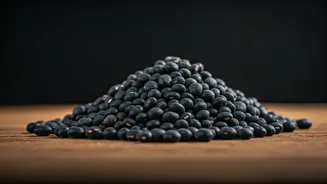
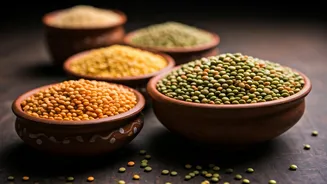
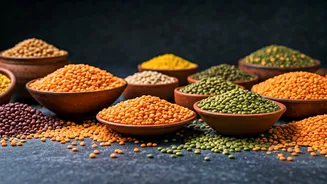
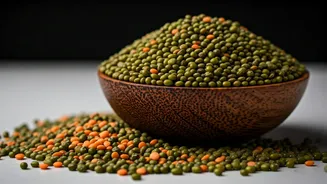
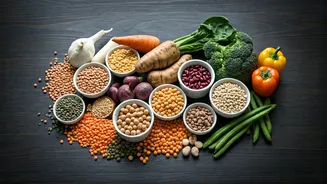
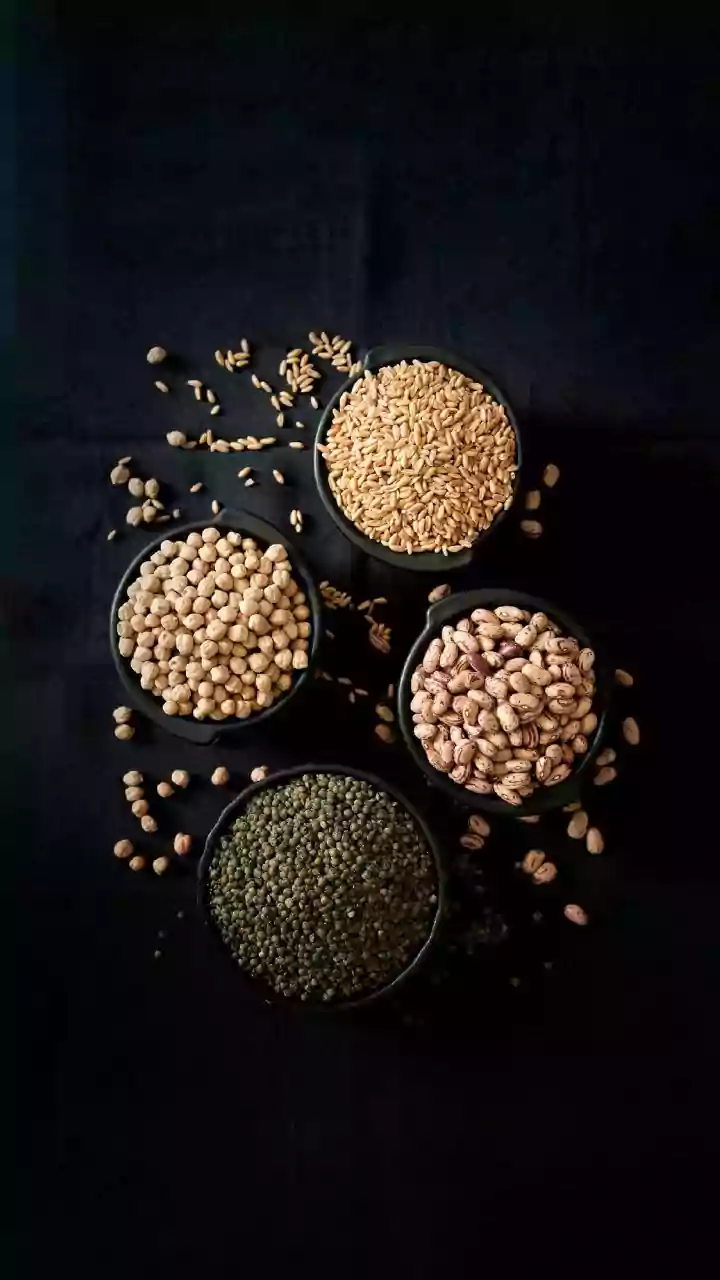
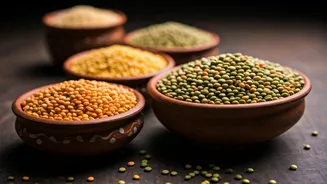
The cornerstone of fibre in most Indian meals is the humble dal. Lentils and legumes like toor, moong, masoor, chana (chickpeas), and rajma (kidney beans) are pantry staples across the country. A single 100g serving of cooked lentils can provide around 8 grams of fibre, which is a significant portion of the daily requirement. When you have a bowl of dal, you're not just eating a simple comfort food; you're consuming a protein-packed, high-fibre dish that aids digestion and provides sustained energy. Dishes like Chana Masala, Rajma Chawal, and Vegetable Sambar are fibre powerhouses disguised as delicious meals.
Beyond Roti: Whole Grains and Millets
The daily roti, a staple in many Indian homes, is traditionally made from whole wheat flour (atta), which is a fantastic source of fibre. Whole wheat flour retains the bran and germ of the grain, where most of the fibre is stored. A 100g serving of whole wheat flour contains about 11g of fibre, compared to just over 3g in refined white flour (maida). But the grain story doesn't end with wheat. India has a rich heritage of using millets like jowar (sorghum), bajra (pearl millet), and ragi (finger millet). These ancient grains are gluten-free and exceptionally high in fibre; bajra and ragi contain around 11g of fibre per 100g. Swapping rice for millet-based dishes or having a jowar or bajra roti is an easy way to significantly boost your fibre intake.
Vegetables in Every Form
In Indian cuisine, vegetables are rarely just a small side dish. They are often the star of the show in sabzis, integrated into dals, or mixed into rice for a pulao. This approach ensures a high intake of fibre throughout the meal. A wide variety of vegetables are used, each bringing its own nutritional benefits. Leafy greens like spinach (palak) and fenugreek (methi), gourds like lauki (bottle gourd), and other vegetables like bhindi (okra) and drumsticks are all excellent sources of fibre. For example, a South Indian 'avial' or 'thoran' combines multiple vegetables, often with coconut, creating a dish that is both flavourful and fibrous. This everyday inclusion of diverse vegetables is a key reason why traditional meals are so balanced.
The Modern Challenge to Tradition
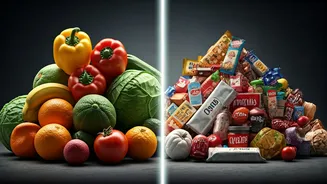
While traditional, home-cooked Indian food is a nutritional goldmine, the modern diet presents challenges. The increasing popularity of refined flours (maida) in breads like naan and a preference for polished white rice over brown rice or millets strips away much of the natural fibre. Fast food and processed snacks further reduce the fibre content in our diets. The wisdom of the traditional Indian plate lies in its use of whole, unprocessed ingredients. The problem isn't the cuisine itself, but the move away from its foundational principles. Embracing western food culture has, in some ways, negatively impacted the inherent health benefits of our traditional recipes.