



The 'Open' Sign Isn't the Whole Story
When a national park, particularly in a region like the Himalayas, announces its reopening, it usually means the main gates are accessible and some core areas are ready for visitors. However, this rarely means that every trail, safari zone, and access road
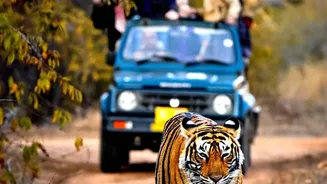
is simultaneously open. For instance, many of India's famous tiger reserves, like Jim Corbett, close their main zones such as Dhikala and Bijrani during the monsoon. While the park might officially reopen in October, these core zones often become accessible weeks later, around mid-October or even November, once washed-out roads are repaired. The same applies to high-altitude treks. The Valley of Flowers in Uttarakhand may open on June 1, but heavy snowfall and monsoon damage can limit how far trekkers can venture into the valley. An 'open' status often just marks the beginning of a phased return to full operation.
Why Full Access Is Often Delayed
Several factors prevent a park from fully reopening all at once. Safety is the primary concern. In mountainous areas, the monsoon season, which typically ends just before the autumn tourist rush, can cause significant damage. As of late July 2026, heavy rainfall in states like Uttarakhand has led to widespread landslides, blocking numerous highways and rural roads. Authorities need time to assess and repair these routes to ensure they are safe for vehicle and foot traffic. Beyond weather damage, ecological reasons play a major role. The monsoon is a critical breeding season for many wildlife species, and park authorities ensure these animals have an undisturbed environment. Finally, there are logistical considerations. Essential maintenance on trails, bridges, and visitor facilities is often scheduled during the closure period and may continue even after the first visitors are allowed back in.
The Consequences of Misinformation
Assuming a park is fully accessible can lead to significant disappointment and wasted resources. Travellers might arrive to find their most anticipated trek is closed, or the safari zone famous for specific wildlife sightings is off-limits. This is especially true for destinations where different zones open on different dates. At Jim Corbett, for example, the Jhirna and Dhela zones often remain open year-round, while the more popular Dhikala and Bijrani zones have specific opening dates after the monsoon. Relying on outdated travel blogs or generic information can mean planning an entire trip around an inaccessible highlight. In more extreme cases, ignoring official closures on high-altitude roads or landslide-prone routes can pose serious safety risks, potentially leaving travellers stranded. Authorities often advise people to avoid unnecessary travel in such conditions.
Your Pre-Travel Verification Checklist
To avoid disappointment, diligent verification is key. First, always check the park's official government website. This is the most reliable source for formal announcements, opening dates for specific zones, and alerts. Second, call the park's administrative office or the local district forest officer (DFO) directly. Phone numbers are often listed on official sites. This allows you to ask specific questions about the trails or roads you plan to use. Third, consult multiple recent sources. Look for the latest news reports from local media outlets about road conditions, especially after severe weather events. Social media can also be a useful tool; check the park's official social media pages or credible local travel groups for on-the-ground updates from people who have visited in the last few days. Finally, confirm with your hotel or a local guide just before you depart, as conditions can change rapidly.