






The Satellite's Story
Every two years, the Forest Survey of India (FSI) releases its India State of Forest Report (ISFR), a comprehensive assessment of the country's green cover. The latest report, from 2021, continued a heartening trend: India's total forest and tree cover had
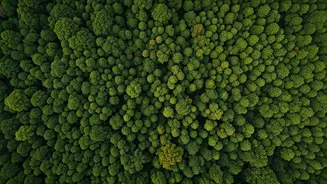
increased by a modest 2,261 square kilometres since the 2019 assessment. According to these figures, over 24.6% of India's geographical area is now under forest and tree cover. States like Andhra Pradesh, Telangana, and Odisha showed significant gains. From this high-altitude, data-driven perspective, the picture looks optimistic. The numbers suggest that despite developmental pressures, India is successfully expanding its green footprint, moving steadily towards its national goal of having 33% of its land under forest cover. It’s a narrative of progress, one that paints India as a global leader in afforestation and environmental stewardship.
Whispers From The Woods
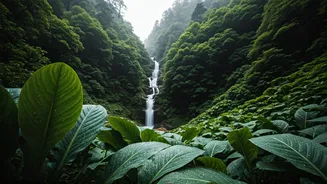
But this official narrative often clashes with on-the-ground realities. Environmental activists, ecologists, and local communities frequently raise alarms about the diversion of dense, biodiverse forests for mining, infrastructure projects, and industrial agriculture. Reports highlight the fragmentation of wildlife corridors, the loss of old-growth forests in the Himalayas and the Western Ghats, and the degradation of mangrove ecosystems along the coast. How can both be true? How can we be losing precious natural habitats while the overall 'forest' cover is reportedly on the rise? This discrepancy has led many scientists to question not the satellite data itself, but what we are choosing to count as a 'forest'. The view from the ground, populated with ancient trees, unique species, and complex ecosystems, tells a very different, and far more concerning, story.
The Devil in the Definition
The heart of the paradox lies in the official definition of 'forest cover'. The FSI uses a technical definition based on satellite imagery: any land more than one hectare in area with a tree canopy density of 10% or more, regardless of land ownership, legal status, or species composition. This broad-brush approach means that a centuries-old natural forest is counted in the same category as a commercial tea or coffee plantation, a monoculture teak farm, or even a dense bamboo grove. As long as it meets the minimum size and canopy criteria, it gets added to the 'forest' tally. This is why the satellite view looks so green. The increase we are celebrating is not necessarily in our natural, biodiverse forests. A significant portion of the gains comes from the expansion of commercial plantations and fast-growing tree species, which, while green, are ecologically very different from a natural woodland.
A Forest vs. A Plantation
An old-growth forest is a complex, self-sustaining ecosystem. It hosts immense biodiversity, from fungi and insects to birds and mammals. Its multi-layered canopy and rich undergrowth protect topsoil, improve water retention, and recharge groundwater tables. These forests are resilient carbon sinks, crucial in our fight against climate change. A commercial plantation, on the other hand, is essentially a form of agriculture. It is typically a monoculture—a single, often non-native species planted in neat rows for commercial exploitation. While these plantations do sequester some carbon and provide green cover, they offer a fraction of the ecological benefits. They support very little biodiversity, can deplete soil nutrients over time, and offer poor resilience against pests and climate shocks. The ISFR data itself hints at this problem: the 2021 report showed a decline in 'moderately dense forests' (canopy cover 40-70%) while 'open forests' (10-40%) and scrubland increased. This can be an indicator of forest degradation, where dense forests are thinning out.
Why This Distinction Matters
This isn't just an academic debate about definitions. Equating plantations with forests has serious policy implications. It allows for a scenario where we can officially claim to be increasing our forest cover while simultaneously clearing rich, irreplaceable natural ecosystems. This misleading picture can create a false sense of security, diverting attention and resources away from the urgent need to protect our remaining wild spaces. True conservation requires protecting the quality, not just the quantity, of our green cover. It means prioritising the preservation of natural forests, restoring degraded lands with diverse native species, and ensuring the rights of forest-dwelling communities who are the traditional custodians of these ecosystems. A positive headline figure, while welcome, should not blind us to the more complex and fragile reality of India’s natural wealth.