




A Data Explosion from Digital Orders
India's appetite for online food delivery is growing at a staggering rate. While the headline's claim of 'tripled transactions' points to a specific surge, the broader trend is undeniable. The market has expanded dramatically, with reports from 2026 showing
the online share of the total food services market is projected to climb from 11% to 18% by 2031. This isn't just about more people ordering; it's about the frequency and diversity of those orders. With millions of transactions daily across metros and increasingly in Tier-II and Tier-III cities, platforms like Zomato and Swiggy are sitting on a mountain of real-time consumer data. This data—what you search for, which dishes you browse, what you ultimately order, and when—has become the single most crucial ingredient in modern menu planning.
From Clicks to Cuisine
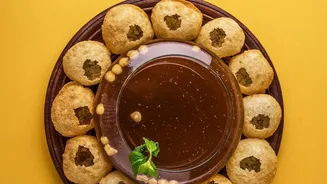
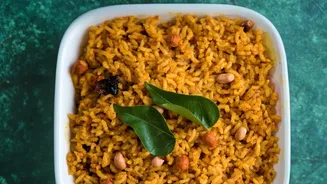
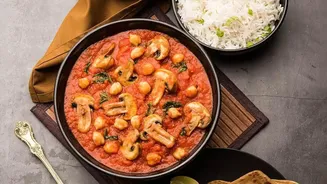
Food tech giants are no longer just delivery services; they are data analytics powerhouses. Every transaction contributes to a detailed, evolving map of India's palate. Using AI and machine learning, these platforms analyze ordering patterns to identify hyper-local trends long before traditional market research could. For example, data might reveal a growing demand for Kerala cuisine in North Indian neighbourhoods, or a spike in searches for Maharashtrian snacks in Bengaluru. This granular insight allows platforms to move beyond generic categories like 'North Indian' or 'Chinese'. Instead, they can predict and promote specific, regional dishes that resonate with local communities, turning gut-feel cooking into a data-driven science.
The Hyper-Local Playbook in Action
So how does this translate to your app screen? Platforms are actively using this data to curate their offerings. This includes promoting restaurants that specialise in trending regional cuisines and encouraging partner eateries to add locally popular dishes to their menus. You might see a special feature on 'Classic Bengali Breakfasts' in Kolkata or a curated list of the best 'Hyderabadi Biryani' in your part of town. This strategy extends to cloud kitchens, which can be launched rapidly to fill gaps in the market identified by data, such as a lack of authentic Goan seafood in a specific area. This localisation effort is a key strategy for growth, moving beyond a one-size-fits-all model to cater to the diverse tastes found across India.
Beyond the Menu: A Strategic Shift
This focus on local tastes impacts more than just menu listings; it's a fundamental shift in business strategy. For restaurants, especially smaller, independent ones, aligning with these data-driven trends can mean the difference between thriving and getting lost in a crowded marketplace. By leveraging platform insights, they can engineer their menus to feature profitable, high-demand local favourites, optimize their descriptions with trending keywords, and reduce food wastage by stocking the right ingredients. For the platforms themselves, this strategy drives user engagement and loyalty. When users feel the app truly understands their local food culture, they are more likely to order frequently, which is a key metric for growth in a competitive market.
The Challenge of Balancing Local and Scale
Despite the clear benefits, executing a hyper-local strategy at a national scale is not without its challenges. The core strength of a platform is its ability to offer a standardized, efficient, and reliable experience. Deep localisation can introduce operational complexity. Ensuring quality control across thousands of unique regional dishes, managing supply chains for niche ingredients, and marketing a constantly diversifying menu requires significant investment and logistical prowess. Platforms must strike a delicate balance: offering the personalised, local experience that data shows customers want, while maintaining the operational efficiency that makes their business model work. This tension between customisation and scalability is the central challenge for India's food delivery giants as they move into their next phase of growth.