


The Ghost of Matte Past
For years, matte makeup had a reputation for being the opposite of natural. It was the go-to for a completely shine-free, full-coverage look often seen in the early days of YouTube tutorials. The goal was to create a perfectly flat canvas, which often involved
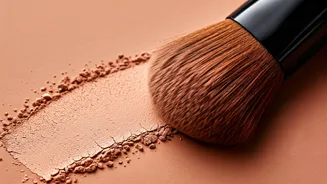
thick foundations and heavy setting powders. While effective for oil control and photography, these traditional formulas could feel drying and uncomfortable. They often contained high concentrations of absorbent powders like talc, which, if over-applied, could settle into fine lines and create a mask-like, cakey texture that looked anything but natural. This experience led many to seek out dewier, more luminous alternatives in recent years, associating matte with an outdated, heavy-handed approach.
The Ingredient Revolution
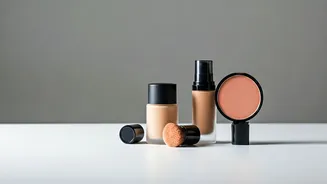
The single biggest reason for matte’s transformation is a revolution in cosmetic chemistry. Brands have moved away from simply absorbing oil to creating formulas that balance mattifying effects with comfort and hydration. This new generation of matte makeup is often described as 'soft matte' or 'natural matte', sitting between a completely flat finish and a dewy one. The secret lies in smarter ingredients. Instead of just talc, modern formulas use finely milled silica, specialized powders, and flexible film-formers that blur imperfections and control shine without adding weight. Many are now formulated without oil or talc entirely. More importantly, they are infused with skincare ingredients like hyaluronic acid, glycerin, squalane, and niacinamide. These hydrators ensure the skin stays comfortable and nourished, preventing the tight, dry feeling of older matte products. The result is a 'serum-like' foundation that feels lightweight and breathable while still delivering a polished, velvety finish.
More Than Just Foundation
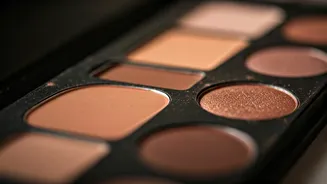
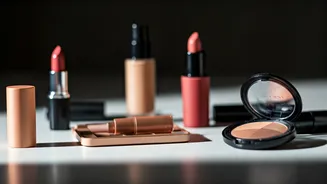
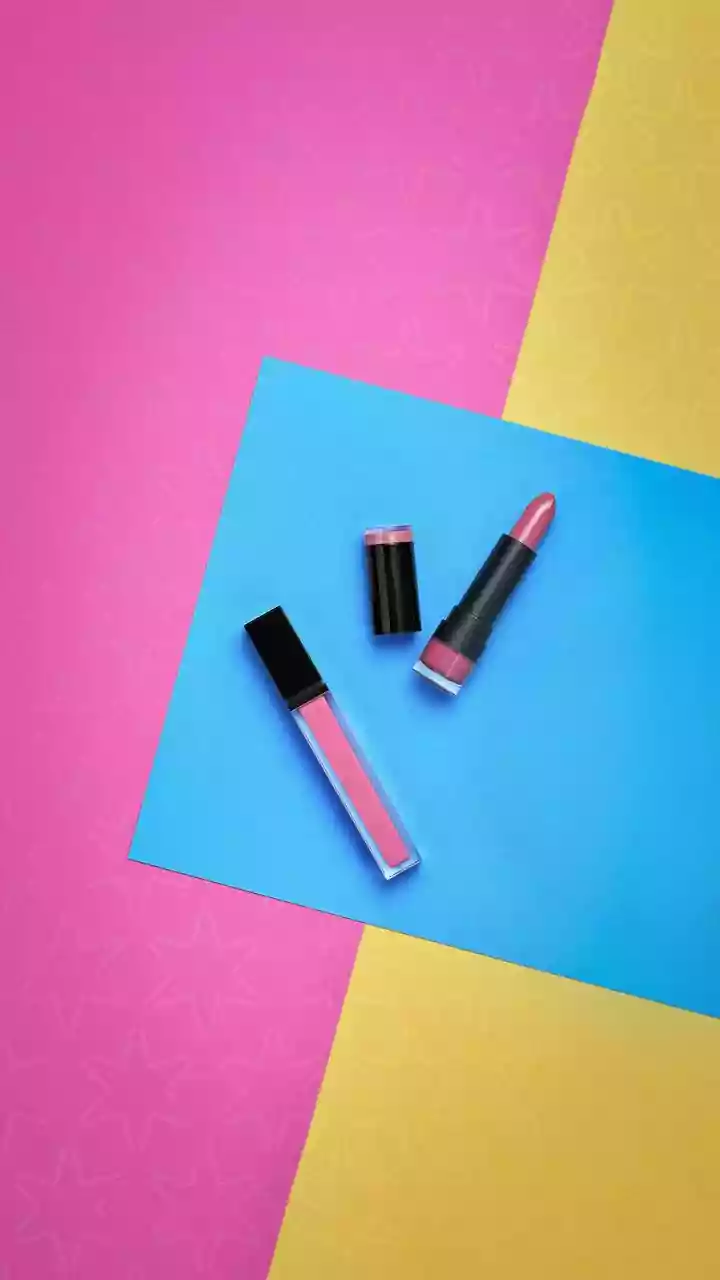
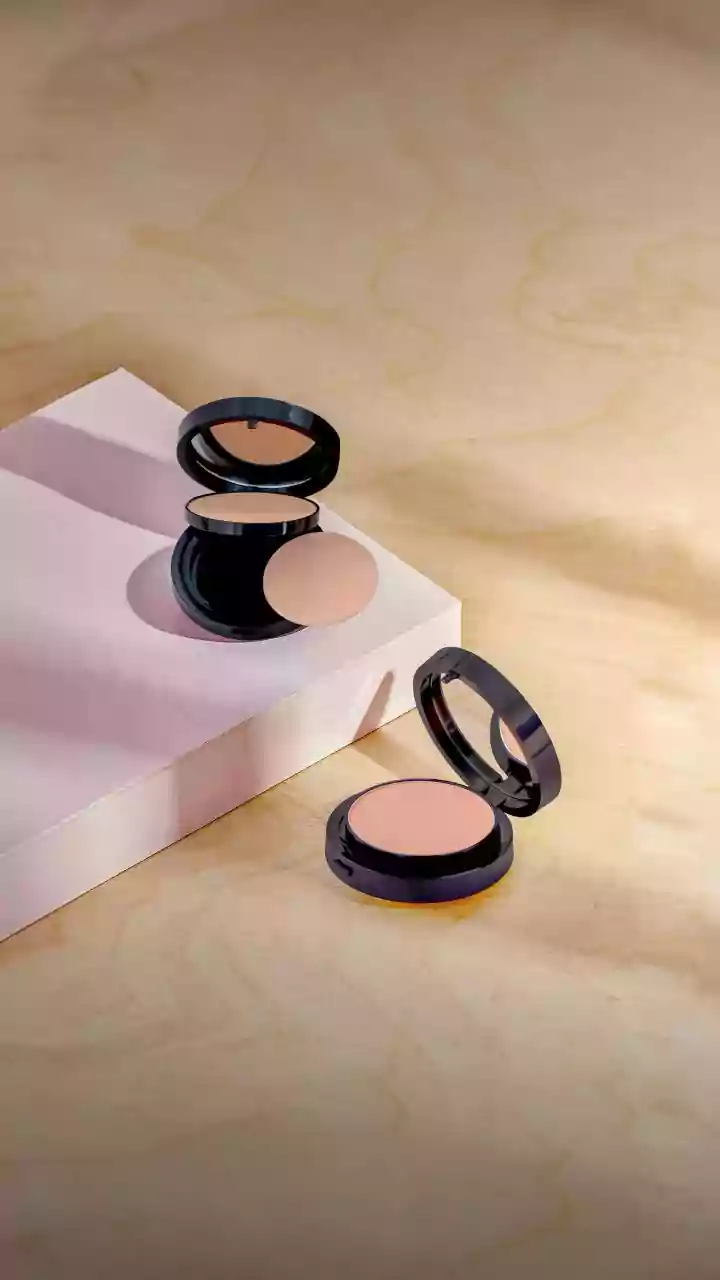
This evolution isn't limited to foundation. The 'soft matte' philosophy now extends across all product categories. Matte primers now smooth the skin without stripping it, often containing ingredients that balance moisture levels. Modern setting powders are incredibly finely milled, designed to set makeup and blur pores without looking heavy. Even bronzers, blushes, and eyeshadows have been updated. Today's matte cheek products are formulated to blend seamlessly, adding dimension without appearing flat or chalky. Similarly, matte lipsticks have transformed. The notoriously dry liquid lipsticks of the past have been replaced by 'velvet' or 'satin matte' formulas that offer intense colour payoff with a more comfortable, less drying feel. This allows for a cohesive, sophisticated matte look that feels modern and wearable from start to finish.
Mastering the Modern Matte Look
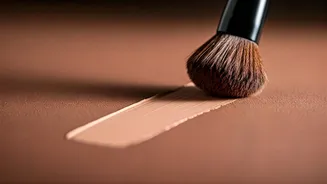
Achieving today's natural matte look is less about piling on products and more about strategic application. The key is to let your skin show through. Start with good skin preparation by using a lightweight, oil-free moisturiser to create a hydrated base. Using a mattifying primer only on areas that tend to get oily, like the T-zone, can help control shine without dulling your entire complexion. When applying foundation, start with a small amount and build coverage only where needed, blending thoroughly with a damp sponge or brush. This prevents the product from looking heavy. To avoid a flat appearance, add dimension back with a soft matte bronzer and blush. Finally, instead of heavily powdering your whole face, use a setting powder sparingly, pressing it into the T-zone and any other areas prone to shine. This hybrid approach gives you the oil control and polished finish of matte makeup while maintaining a natural, skin-like radiance on the high points of your face.