





A Different Kind of Buzz
For decades, coffee has been the undisputed king of caffeine, synonymous with productivity and high-octane work culture. But for a growing number of young Bengalureans, that intense, jittery rush is precisely what they’re looking to avoid. Matcha offers
a compelling alternative. It contains a unique amino acid called L-theanine, which works in synergy with caffeine. This combination provides a state of calm, focused alertness, a gentle lift that lasts for hours without the infamous coffee crash. Many drinkers describe the feeling as “zen” or focused calm rather than the wired energy of an espresso shot. For a generation that is increasingly vocal about mental wellbeing, a beverage that promises energy without anxiety is a significant draw.
The Wellness and Aesthetic Combo
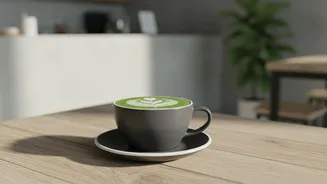
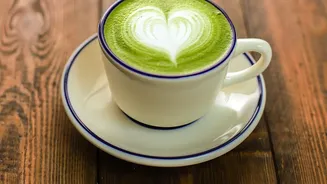
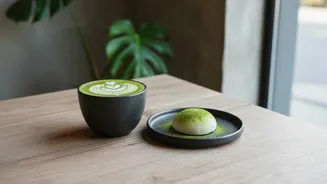
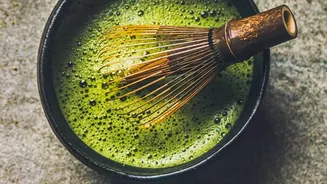
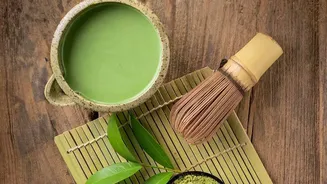
The appeal of matcha goes far beyond its chemical composition. It slots perfectly into the wellness-focused lifestyle curated by many young Indians. Its vibrant green hue has become a symbol of intentional, healthy living. On social media, the drink is a star. A search on Instagram reveals a sea of aesthetically pleasing images: minimalist ceramic bowls, bamboo whisks, and perfectly executed latte art, often bathed in soft morning light. This visual appeal is not a minor detail for Gen Z, a demographic that often merges aesthetics with daily routines. The ritual of preparing or ordering a matcha is an experience in itself—one that is photogenic, shareable, and signals a connection to global wellness trends.
A New Social and Cultural Symbol
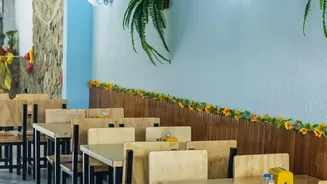
Bengaluru's cafe culture has always been more than just about the drink; it's a lifestyle. Cafes are workspaces, social hubs, and spots for creative expression. While the city remains India's modern coffee capital, the rise of matcha signals an evolution. Opting for matcha over a cappuccino is a subtle act of distinction. It shows an adventurous palate and an alignment with a different kind of energy culture—one that prioritizes calm and mindfulness over hustle. Speciality matcha cafes are now popping up across the city, especially in trendy neighbourhoods like Indiranagar, creating new destinations for this cultural shift. These spaces are often designed with a minimalist, 'Japandi' aesthetic—a blend of Japanese and Scandinavian design—further cementing matcha's association with a clean, modern, and intentional lifestyle.
An Evolving Palate
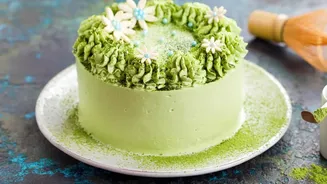
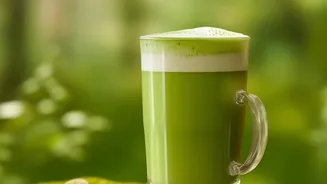
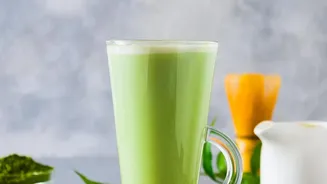
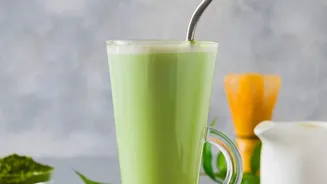
The taste of matcha—a complex blend of grassy, umami, and slightly sweet notes—is a departure from the familiar bitterness of coffee. For a generation exposed to a wide array of global cuisines, including the rise of Korean and other Pan-Asian foods in Bengaluru, this novelty is exciting. Indian Gen Z consumers are noted for having adventurous palates, with a significant portion exploring multiple new beverage types regularly. Cafes are leaning into this by offering a wide variety of matcha-based drinks, from classic lattes to inventive pairings with strawberry, mango, or coconut, catering to both purists and newcomers. This variety transforms the drink from a single choice into a field for exploration, allowing patrons to find a version that suits their personal taste.