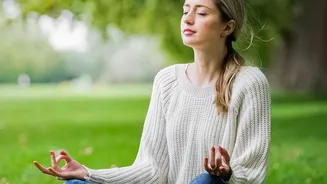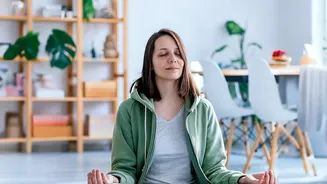

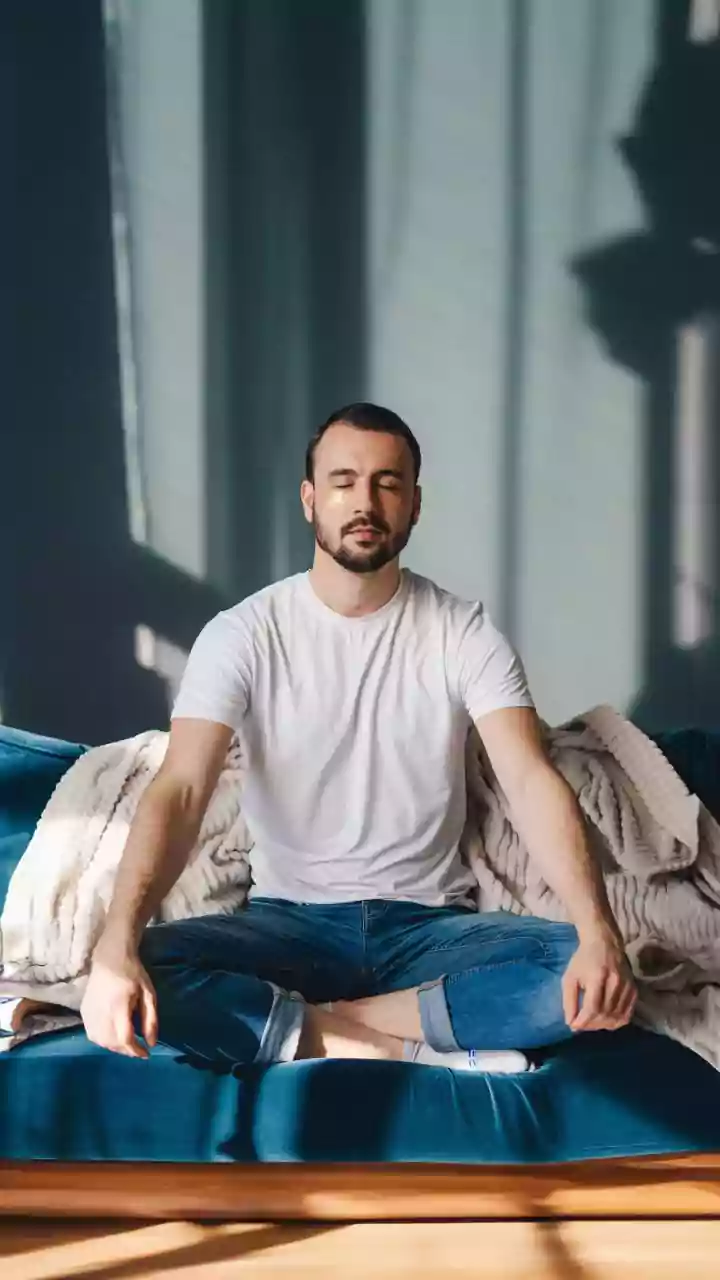
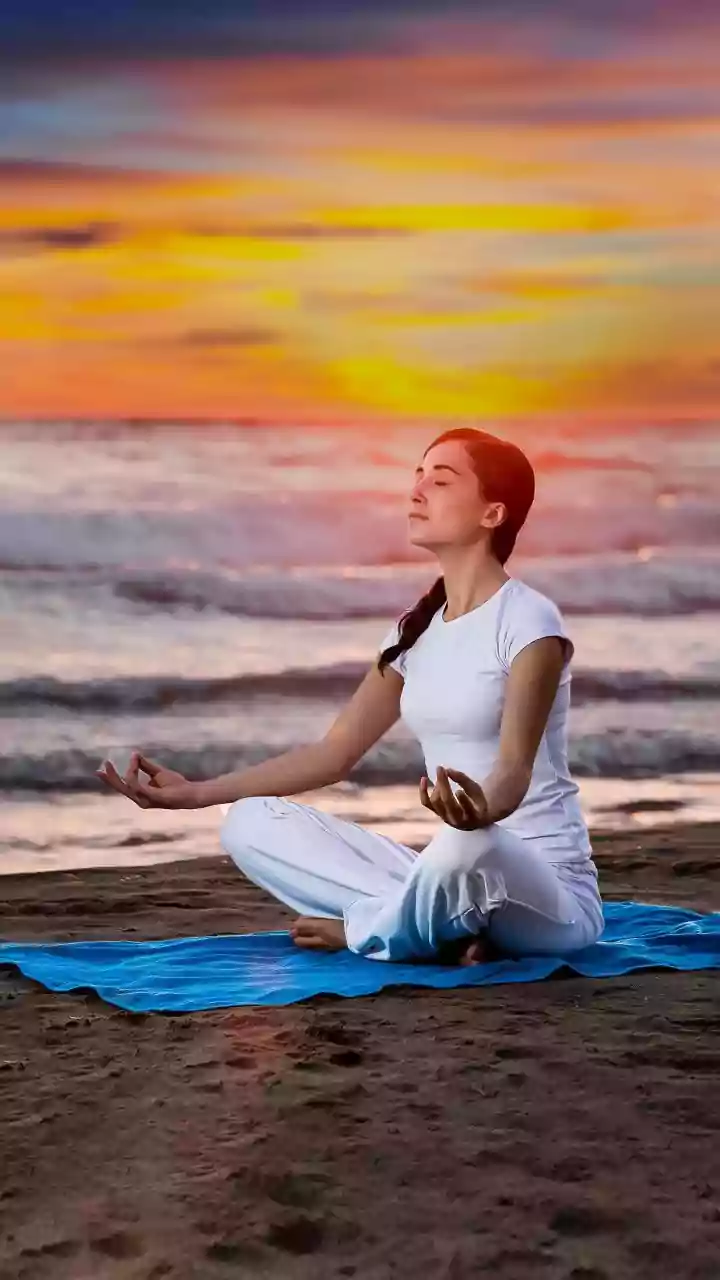

In a world where yoga is often synonymous with complex poses and physical exertion, Yoga Nidra offers a radical alternative: the art of conscious relaxation. It's a journey into deep rest, not a workout for your muscles.
What Exactly is Yoga Nidra?
Yoga Nidra, often translated as
'yogic sleep', is a powerful meditation technique that induces a state of deep relaxation while maintaining full consciousness. Unlike other forms of yoga that focus on physical postures (asanas), this practice is performed lying down in a comfortable position, typically Savasana (corpse pose). The goal isn't to fall asleep, but to enter a state of consciousness between waking and sleeping. A guide's voice leads you through a systematic process designed to quiet the mind and relax the body, allowing you to access deeper layers of your subconscious. It's a state of restful awareness where the body is completely still, but the mind is alert and receptive.
More Than Just a Nap
While a 30-minute session of Yoga Nidra can feel as restorative as several hours of sleep, it is fundamentally different from a nap. When you nap, you typically cycle through different stages of sleep, often losing conscious awareness. Yoga Nidra, however, guides you into a hypnagogic state — the threshold between alpha and theta brainwaves. In this state, the mind remains aware, creating a unique opportunity for healing and self-exploration. The structured nature of the practice, involving a specific sequence of instructions, distinguishes it from simply closing your eyes and hoping to rest. It systematically disengages the mind from the senses and the body to achieve a unique kind of profound rest.
The Science of Deep Rest
The benefits of this ancient practice are increasingly being validated by modern science. Regular practice has been shown to reduce stress and anxiety by calming the sympathetic nervous system, which is responsible for the 'fight or flight' response. This leads to a decrease in cortisol levels, the body's primary stress hormone. Studies suggest that Yoga Nidra can significantly improve sleep quality, help manage chronic pain, and lower blood pressure. Furthermore, by promoting deep rest, it can enhance cognitive functions like focus and memory. It’s also considered a valuable tool for processing emotions and reducing symptoms of post-traumatic stress, as it provides a safe and structured way to access the subconscious mind.
How It Differs From Other Yoga
When most people in India think of yoga, they picture dynamic flows like Vinyasa or strong held postures in Hatha. These practices are primarily physical, designed to build strength, flexibility, and balance. Yoga Nidra sits on a completely different part of the spectrum. There are no poses to perfect, no muscles to engage, and no sweat involved. The entire practice is passive and receptive. While physical yoga disciplines the body to quiet the mind, Yoga Nidra directly quiets the mind to restore the body. It’s a complementary practice that can enhance the benefits of more active yoga, but it stands on its own as a complete form of deep restoration.
What to Expect in a Session
A typical Yoga Nidra session lasts between 20 to 45 minutes. You'll begin by lying on your back with blankets and pillows for warmth and comfort. The guide will first ask you to set an intention, or 'Sankalpa' — a short, positive statement in the present tense. The core of the practice involves a 'rotation of consciousness', where you are guided to bring your awareness to different parts of your body in a specific sequence. This is followed by breath awareness exercises and often includes guided imagery and visualizations, such as walking through a forest or lying on a peaceful beach. The session concludes by gently returning your awareness to your body and surroundings, and revisiting your Sankalpa.
Getting Started on Your Own
Starting with Yoga Nidra is simple and requires no prior experience. Find a quiet, comfortable space where you won't be disturbed. Use a yoga mat, bed, or sofa — anywhere you can lie down comfortably. Use a small pillow under your head and perhaps a bolster under your knees to support your lower back. Covering yourself with a blanket is highly recommended, as your body temperature can drop during deep relaxation. There are thousands of free guided Yoga Nidra sessions available online on platforms like YouTube and various wellness apps. Find a voice and pace that you find soothing, press play, and allow yourself to follow the instructions without expectation or judgment.