



What Is the Perseid Meteor Shower?
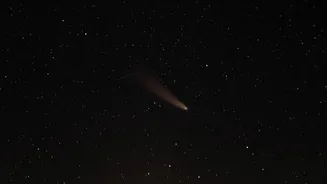
Every year in mid-August, Earth’s orbit takes it through a stream of cosmic debris left behind by a giant comet named 109P/Swift-Tuttle. This comet, which takes 133 years to circle the Sun, has left a dusty trail of tiny rock and ice particles in its
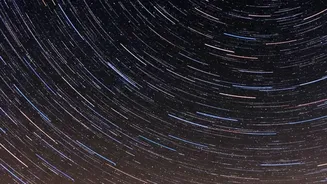
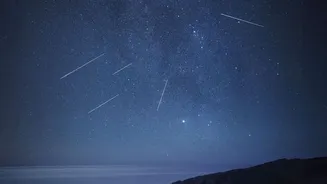
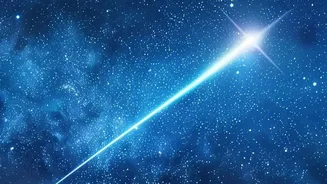
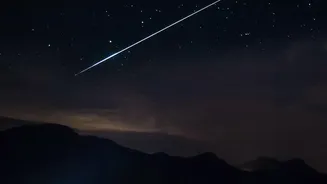
wake. When our planet ploughs through this field, these particles, many no bigger than a grain of sand, enter our atmosphere at incredible speeds—around 59 kilometres per second. The friction causes them to burn up brightly, creating the brilliant streaks of light we call meteors or shooting stars. They are called the Perseids because the meteors appear to radiate from a single point in the sky within the constellation Perseus.
Why Tonight Is The Best Opportunity In Years
While the Perseids are an annual event, 2026 offers a rare and perfect alignment for skywatchers. The shower's peak on the night of August 12-13 coincides perfectly with a New Moon. This means the Moon will not be visible in the night sky, resulting in zero moonlight to wash out the celestial display. This exceptional darkness will make it possible to see even the fainter meteors, dramatically increasing the number of shooting stars you can count. Astronomers predict that under these ideal, dark-sky conditions, viewers could witness up to 100 meteors per hour, a truly dazzling rate. The Perseids are also known for producing bright 'fireballs', which are larger explosions of light that can last longer than an average meteor streak.
The Best Time to Watch in India
Timing is everything. Although the shower is active all night, the most spectacular viewing in India will be in the pre-dawn hours of Thursday, August 13. The prime window to head outside is between 2:00 AM and 4:30 AM IST. During these hours, the shower's radiant point in the constellation Perseus will have climbed higher in the northeastern sky, allowing more meteors to become visible across the entire sky dome. While the absolute global peak is predicted to occur during daylight hours in India, the pre-dawn window still promises a fantastic show for dedicated observers. The key is to be in position and ready before this period begins.
Finding Your Dark Indian Location
The single most important factor for a successful viewing is getting away from light pollution. The bright glare of city and town lights creates a haze that obscures all but the brightest celestial objects. To see dozens of shooting stars, you need a truly dark sky. This means travelling to a location with an unobstructed view of the sky, far from urban centres. Think of rural fields, the outskirts of small villages, national parks, or hill stations. High-altitude locations with dry air, such as those in Ladakh or Spiti, offer world-class viewing conditions. The Hanle Dark Sky Reserve in Ladakh is one of the best places on Earth for such events. However, even finding a dark spot on the edge of your town or city can make a huge difference. One major challenge for much of India is the monsoon, so checking your local forecast for cloud cover is essential before you head out.
Your Viewing Checklist: No Telescope Needed
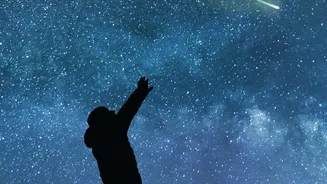
You don't need any expensive equipment to enjoy the show. In fact, telescopes and binoculars are not recommended as they restrict your field of view, and you want to see as much of the sky as possible. Your naked eyes are the best tool for the job. First, give your eyes at least 20 to 30 minutes to fully adapt to the darkness; avoid looking at your phone screen, as its bright light will ruin your night vision. Comfort is key, as you'll be outside for a while. Lie back on a blanket or a reclining chair to get a wide view of the sky without straining your neck. Dress in comfortable layers, as even summer nights can get cool in the pre-dawn hours. Finally, be patient. Meteor spotting involves periods of quiet waiting punctuated by moments of cosmic brilliance.