

The Annual Festive Exodus
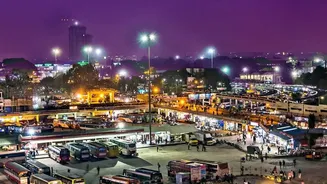
Every year, weeks before the festival of lights, a massive migration takes place from Mumbai. A significant portion of the city's population, comprising professionals, students, and workers, travels back to their hometowns across the country to celebrate
with their families. This results in an overwhelming demand for train tickets, with reservations on popular routes filling up moments after they become available. Key corridors to Uttar Pradesh, Bihar, Rajasthan, and southern states become virtually inaccessible for last-minute planners, leading to long waitlists and immense stress for passengers. The sheer volume of travelers far exceeds the capacity of regularly scheduled services, making the annual announcement of special festive trains a critical event.
Central Railway's Special Fleet for 2026
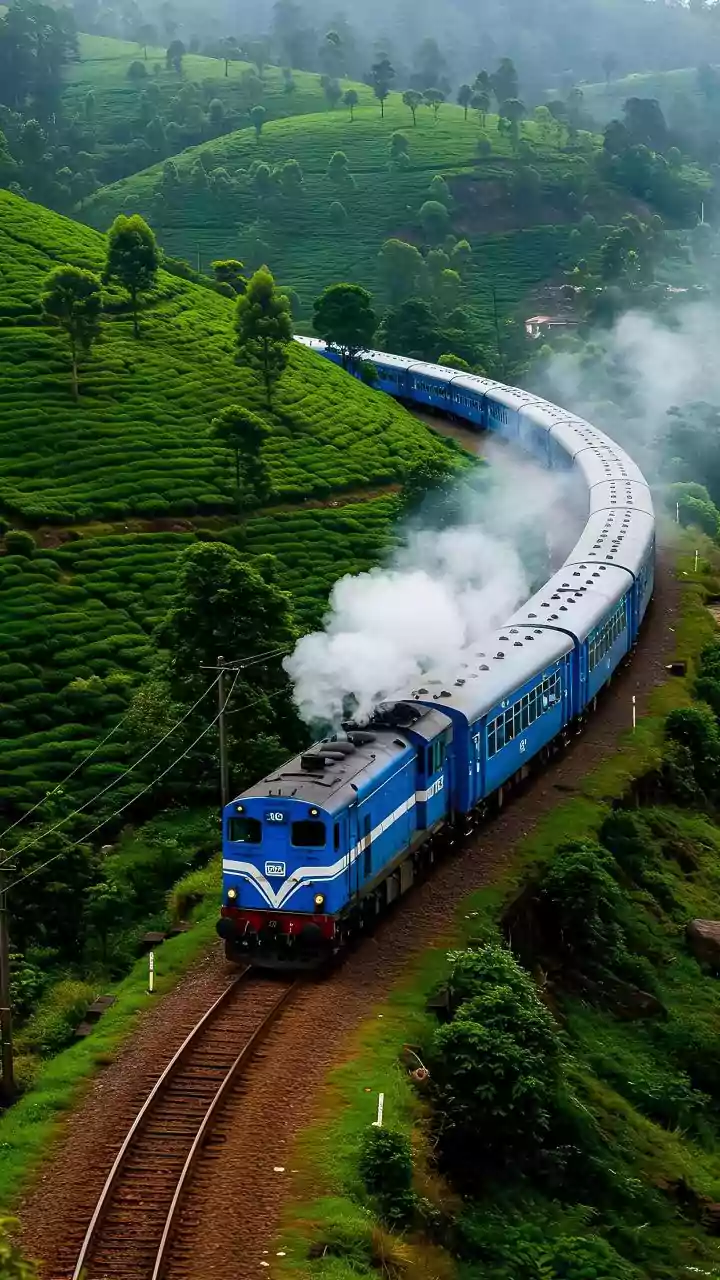
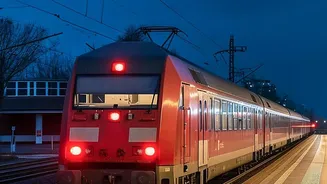
To manage the surge, Central Railway (CR) has announced a robust schedule of 418 special train services for the festive season, covering Durga Puja, Diwali, and Chhath Puja. These trains will depart from major Mumbai terminals like Chhatrapati Shivaji Maharaj Terminus (CSMT) and Lokmanya Tilak Terminus (LTT), connecting to high-demand destinations. Key routes include daily services to Gorakhpur, bi-weekly trains to Mau and Banaras, and weekly superfast services to Nagpur. Additional connections to Chennai, Bengaluru, and Kolhapur have also been introduced. For instance, a daily special will run between CSMT and Gorakhpur from October 16 to November 16, while weekly AC specials will connect Mumbai with Bengaluru and Chennai. These services are designed to cater specifically to the northern and southern routes that see the heaviest traffic.
Western Railway Adds Capacity
While Central Railway covers a large part of the exodus, Western Railway (WR) also plays a crucial role, especially for travelers heading towards Gujarat, Rajasthan, and parts of northern India. For the 2026 festive season, WR has extended the trips of several special trains, including the Dadar-Bhusaval weekly special, until late November to accommodate the rush. Passengers looking to travel on these western and northern corridors should monitor announcements from Western Railway, as these trains provide vital links to cities like Ahmedabad and beyond. The strategy across all railway zones is to add as much temporary capacity as possible on the busiest corridors during this peak window.
How to Book and What to Expect
Booking for these special trains typically opens just a few weeks before their departure dates, with announcements made zone-by-zone. For many of the 2026 Diwali specials from Mumbai, bookings opened around September 27th and 28th. Tickets can be booked through the official IRCTC website (irctc.co.in), the mobile app, and computerized reservation counters. However, seats on these trains are known to fill up within hours of the booking window opening. It's crucial for travelers to have their passenger details saved on the IRCTC platform and be ready to book the moment reservations begin. These trains often run with special fares, which might include surcharges. Travelers should check the National Train Enquiry System (NTES) for real-time updates on schedules.
A Welcome Relief, But Plan Ahead
The introduction of hundreds of special services is a significant step towards managing the colossal festive demand. These trains provide a crucial alternative for those who couldn't secure a spot on regular services. However, it's important to have realistic expectations. Even with these additional trains, the demand on popular routes during the peak Diwali week often outstrips supply. Waitlists can still be long, and securing a confirmed ticket remains a challenge. The best strategy is to plan well in advance, be flexible with travel dates if possible, and explore alternative routes or modes of transport as a backup. These special trains are a lifeline, but they are part of a larger, complex puzzle of festive travel in India.