


The Humidity and Monsoon Effect
The sticky, damp air characteristic of the Indian monsoon and coastal regions is more than just uncomfortable; it’s a perfect breeding ground for health issues in dogs. High humidity prevents a dog's coat from drying properly, trapping moisture against
the skin. This warm, damp environment allows bacteria and fungi to thrive, leading to a spike in common monsoon-related ailments that vets see every year. These include fungal infections like ringworm, bacterial infections (pyoderma), and intensely itchy yeast dermatitis. Areas with poor air circulation, such as skin folds, ears, paws, and underbellies, are particularly vulnerable.
Common Problems on the Rise
Veterinarians across India report a significant increase in dogs suffering from skin problems during the rainy season. One of the most frequent issues is acute moist dermatitis, commonly known as 'hot spots'. These are painful, red, and raw patches of skin that can appear suddenly, often caused by a dog's obsessive licking or scratching at an irritation. The constant dampness also weakens the skin's natural protective barrier, making it easier for infections to take hold. Furthermore, the muddy terrain of the monsoon isn't just about dirt; it can harbour parasites. Fleas and ticks flourish in these warm, wet conditions, and their bites can introduce bacteria, leading to secondary infections.
An Essential Grooming Checklist
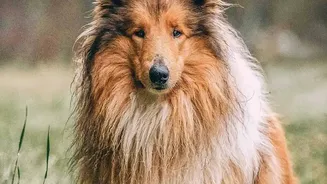
To combat these seasonal challenges, a more frequent and thorough grooming routine is essential. The focus shifts from occasional baths to consistent, preventative care. Daily brushing is critical to remove loose fur, dirt, and tangles, which helps improve air circulation to the skin and prevents matting, especially in long-haired breeds. After every single walk, paws, bellies, and any other wet areas must be wiped and dried completely. Using an absorbent microfibre towel or even a pet-safe blow dryer on a low, cool setting can make a huge difference in preventing moisture buildup. While full baths shouldn't be too frequent—as this can strip natural oils—using a vet-recommended anti-fungal or medicated shampoo every two to three weeks can help keep infections at bay.
At-Home Care and Prevention
Proactive care at home can save your pet a lot of discomfort. A key rule is to never let a dog air-dry after getting wet in the rain; the trapped moisture is a primary cause of skin trouble. Pay special attention to cleaning and drying between the paw pads, where mud and moisture easily get trapped. For breeds with floppy ears like Beagles or Cocker Spaniels, regular ear cleaning is vital to prevent infections caused by trapped humidity. Keeping your home clean is also part of the routine. Washing your dog’s bedding more frequently, perhaps twice a week during the monsoon, helps prevent fungi from growing in damp fabrics. A well-ventilated home can also help reduce the overall humidity that contributes to these issues.
When to Call a Professional
While consistent home grooming is effective, some signs indicate a problem requires professional help. If you notice persistent itching, significant hair loss, red or crusty patches, a foul odour from the skin or ears, or if your dog seems to be in pain, it's time to consult a veterinarian. These symptoms can signal an infection that won't resolve on its own. A vet can diagnose the specific issue and prescribe appropriate treatments like medicated shampoos, topical creams, or other medications. Professional groomers also play a role, offering services like thorough de-shedding, sanitary trims, and expert drying that can be difficult to achieve at home, especially for dogs with thick or double coats.