

Black pepper, the 'king of spices', is a cornerstone of Indian cuisine. But not all peppercorns are created equal. Ensuring the quality of this essential spice directly impacts your food's flavour, aroma, and even your family's health.
Why Quality is More Than Taste
High-quality black
pepper, known for its active compound piperine, offers more than just pungent heat; it provides antioxidant and anti-inflammatory benefits. However, its high cost makes it a prime target for adulteration. Dishonest sellers may bulk up their supply with cheaper, similar-looking substances to increase profits. These fillers not only cheat you on flavour but can also pose health risks, ranging from stomach ailments to more severe issues from toxic contaminants like mineral oil. Knowing how to spot a pure product is a simple step towards safer, more flavourful meals.
The Common Culprits: What to Look For
The most common adulterant found in black pepper is dried papaya seeds. They look remarkably similar but offer none of the spice's signature flavour and can cause digestive issues. Other fillers include lighter, immature 'pinhead' berries, which lack potency, and in ground pepper, sawdust or bran. In some cases, peppercorns are coated with mineral oil to give them an appealing but artificial shine, which can be harmful if consumed. Being aware of these common adulterants is the first step in avoiding them.
Your Visual Inspection Guide
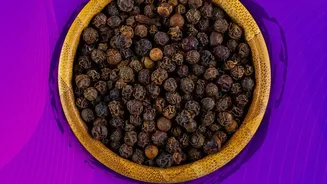
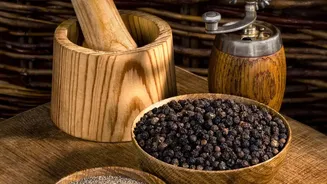
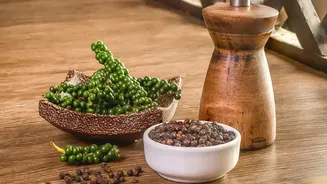
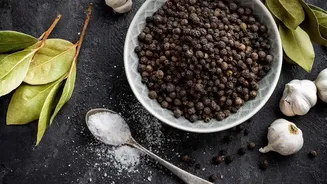
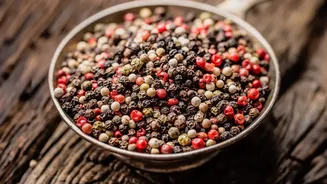
You can often spot poor-quality pepper with a careful look. Genuine, high-quality peppercorns are typically uniform in size with a consistent dark-brown to black colour. They should have a distinctly wrinkled, rough surface. Be wary of peppercorns that look overly shiny or greasy, as this could indicate a mineral oil coating. Papaya seeds, by contrast, are often more oval-shaped and have a smoother, shrunken surface. Also, check the bottom of the package for excessive dust or broken fragments, which can signal a lower-grade product.
Simple Home Tests for Purity
A few simple tests, recommended even by the Food Safety and Standards Authority of India (FSSAI), can help you verify your pepper's quality at home. The easiest is the water test: drop a spoonful of whole peppercorns into a glass of plain water. Dense, pure black peppercorns will sink to the bottom. Lighter adulterants like papaya seeds and hollow, low-quality berries will float. Another check is the press test; a good peppercorn is hard and won't crumble easily under finger pressure, whereas papaya seeds are softer. Lastly, rub a few peppercorns in your palm. A strong, pungent, and sharp aroma is a sign of freshness and quality; a dull or musty smell suggests old or adulterated stock.
Buying Smart and Storing Right
To ensure you get the best quality, always try to buy whole peppercorns instead of pre-ground powder, as whole spices are much harder to adulterate and retain their essential oils longer. Purchase from trusted brands and retailers, and check the packaging for an FSSAI license number, manufacturing date, and expiry date. Once home, store your peppercorns in a clean, dry, airtight container away from direct sunlight and heat. This will protect them from moisture and preserve their precious aroma and flavour, ensuring every pinch adds the perfect kick to your dishes.