

Agia Anna, Amorgos: The Big Blue
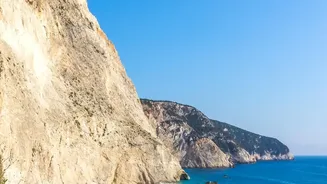
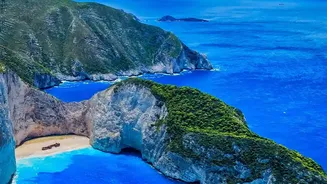
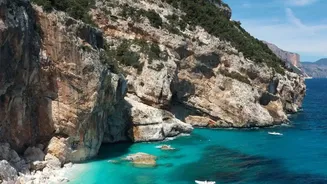
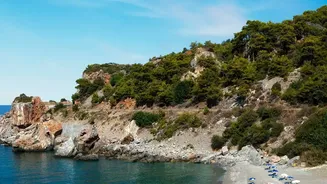
Famous as a filming location for the movie 'The Big Blue', Agia Anna is less a sandy beach and more a stunning collection of rocks and pebbles nestled against dramatic cliffs. Located a short drive from the island's Chora, its raw beauty lies in its simplicity.
There are no sunbeds or bustling cafes here; the only facility is a small canteen in the car park area. This lack of commercialisation preserves the wild, rugged landscape that made it famous. The deep, turquoise water is incredibly clear, making it perfect for diving and snorkelling. While it can get busy due to its fame, its rocky nature and minimal amenities mean it never develops a resort feel, retaining an authentic, untamed spirit. For even more seclusion, a small path leads to the neighbouring coves of Syrma and Kambi.
Foki Beach, Kefalonia: A Shady Oasis
Just a short drive or a 20-minute walk from the popular village of Fiskardo, Foki Beach feels a world away. Its name, meaning 'seal', comes from the Mediterranean monk seals that sometimes shelter in the bay's caves. The beach itself is a tranquil pebble cove, but its defining feature is the dense forest of olive and cypress trees that grows right down to the water's edge, offering abundant natural shade. This makes it a perfect escape from the intense summer sun. Foki remains entirely unorganised, with no sunbeds or beach bars directly on the shore, which helps maintain its peaceful atmosphere. A single traditional taverna sits conveniently across the road, offering local food without imposing on the beach itself. For the adventurous, a path on the right side of the bay leads to hidden sea caves ripe for exploration.
Plaka Beach, Naxos: Sandy and Sprawling
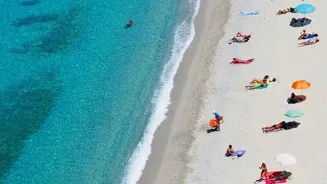
While parts of Plaka have become more developed in recent years, its sheer size ensures that peace is always within reach. Stretching for four kilometres, this beach on the southwestern coast of Naxos is a vast expanse of fine, white sand and crystal-clear water. The northern end has organised sections with beach clubs and tavernas set back behind the dunes. However, a short walk south reveals a different world. The further you go, the more the development fades, until you are left with nothing but sand, sea, and low-lying dunes. This southern stretch is almost entirely undeveloped and has a history as a nudist-friendly area, preserving its quiet, free-spirited legacy. This balance allows visitors to choose their experience: enjoy the amenities at one end or find total solitude at the other.
Glyka Nera, Crete: The Sweetwater Escape
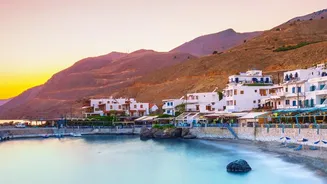
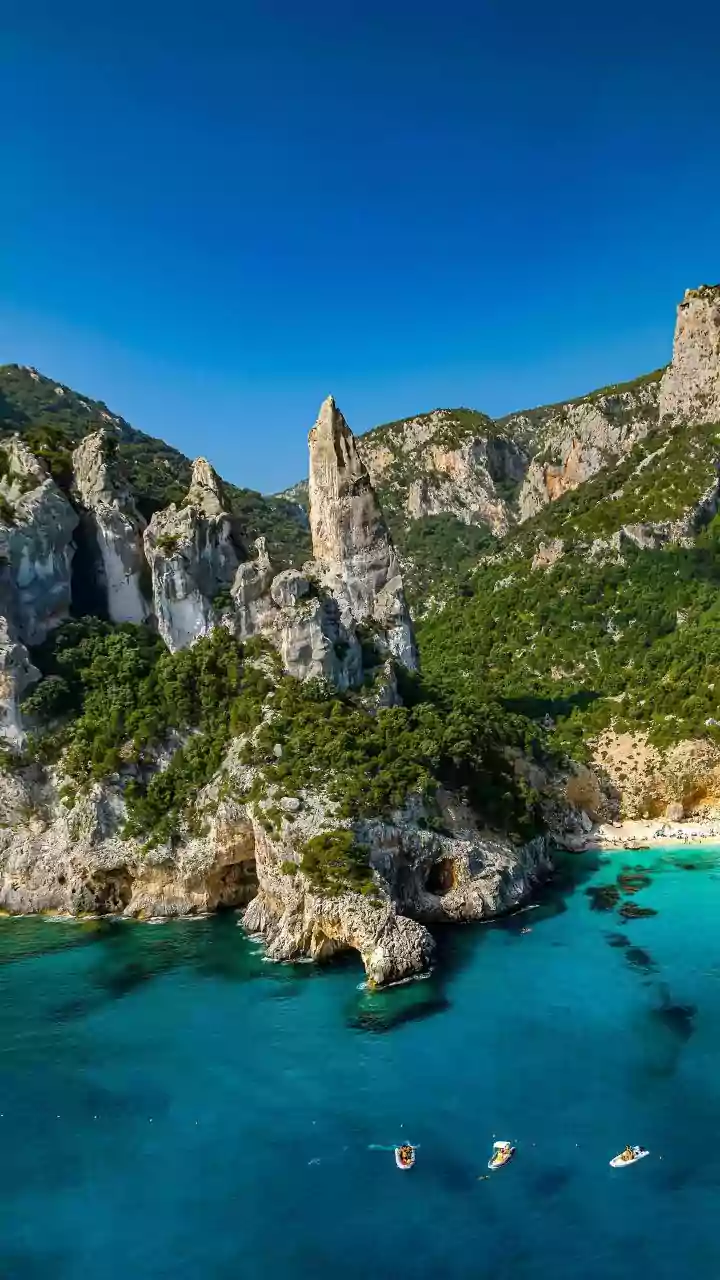
Glyka Nera, or 'Sweet Water' Beach, is the definition of a hidden gem, located on Crete's dramatic southern coast. Its name comes from the freshwater springs that bubble up from beneath the pebbles and directly into the sea, creating a unique and refreshingly cool swimming experience. The beach's seclusion is guaranteed by its access; there is no road. Visitors must arrive either by a short water taxi ride from Hora Sfakion or Loutro, or by hiking a section of the E4 coastal footpath. This effort ensures that Glyka Nera is never overrun with crowds. While it remains largely wild, there is a small, unique taverna built on a rock in the water, offering food and drinks without disturbing the natural landscape. The beach is pebbled and backed by towering cliffs, adding to its remote and breathtaking beauty.
Vagia Beach, Serifos: Golden and Protected
The island of Serifos consciously resists large-scale tourism, and Vagia Beach is a perfect example of its success. Located in the south of the island, Vagia is a beautiful expanse of thick, golden sand and clear, emerald waters. Crucially, the beach is part of the Natura 2000 network, a protected area that monitors and conserves the natural environment, limiting development. While there is one eco-luxury hotel set discreetly into the landscape and a small seasonal canteen, the beach itself is largely unorganised, with no rows of sunbeds to spoil the view. This protected status ensures the landscape remains pure and wild. Its location in a bay at the entrance to Koutalas means it's often sheltered from the wind, adding to the sense of calm. It's a beach that feels both grand in its beauty and intimate in its tranquillity.