





The Mandatory Link Between PUC and Insurance
Following a Supreme Court directive, the Insurance Regulatory and Development Authority of India (IRDAI) has made it mandatory for insurance companies to verify a valid PUC certificate before renewing any motor insurance policy. This means that if your
vehicle’s PUC has expired, you will not be able to renew your insurance, leaving your vehicle legally un-insurable and unable to be driven on public roads. This rule was implemented to ensure stricter compliance with national emission standards and has transformed the PUC from a document checked during traffic stops to a prerequisite for essential financial protection.
New Age-Based Validity Rules Explained
The Ministry of Road Transport and Highways (MoRTH) has introduced significant changes to PUC validity periods through the Central Motor Vehicles (Sixteenth Amendment) Rules, 2026, which came into effect on November 13, 2026. The validity now depends on your vehicle's emission standard (Bharat Stage or BS), its age, and whether it's for private or commercial use. For private BS-VI vehicles, the validity is now three years for vehicles up to six years old, one year for those between six and ten years old, and just six months for those over ten years old. For commercial BS-VI vehicles, the periods are two years, one year, and six months, respectively. The validity for older BS-IV vehicles is now a standard six months nationwide, while BS-I, BS-II, and BS-III vehicles require renewal every three months.
The High Cost of Non-Compliance
Driving without a valid PUC certificate is a violation of Section 190(2) of the Motor Vehicles Act and carries severe penalties. Vehicle owners caught with an expired or missing PUC can face fines of up to ₹10,000 and, in some cases, even imprisonment for up to three months. Beyond the legal fines, the biggest financial risk is the inability to renew your insurance policy. Without a valid policy, any damage to your vehicle in an accident would not be covered, and you would be personally liable for any third-party damages. In some regions like Delhi-NCR, authorities have also implemented 'No PUC, No Fuel' rules, where petrol pumps can deny fuel to vehicles without a valid certificate.
How to Get and Renew Your PUC
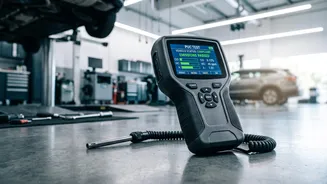
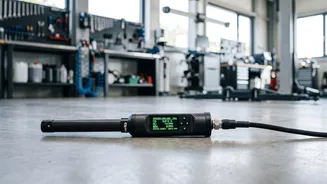
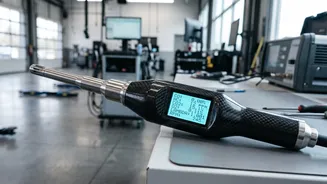
Obtaining or renewing a PUC certificate is a straightforward process. You must take your vehicle to an authorised emission testing centre, which can often be found at petrol pumps or standalone service centres. The technician will use a probe to analyse your vehicle's exhaust emissions. If the readings for pollutants like carbon monoxide and hydrocarbons are within the prescribed limits, a certificate is issued almost instantly. The cost is minimal, typically ranging from ₹60 to ₹250, depending on the vehicle type and state. While the test must be done in person, you can download a digital copy of your valid certificate from the official Parivahan portal. This digital copy is accepted as valid proof by authorities in most states.