
The Forest's Fleeting Gift
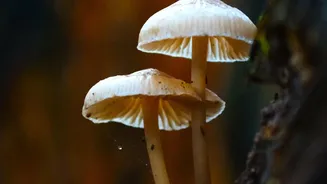
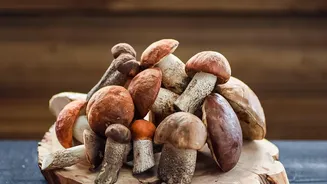
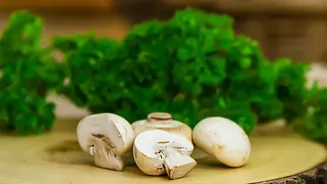
Forget the uniform button mushrooms from the supermarket. The treasures of the Indian monsoon are wild, ephemeral, and fiercely local. In Goa and along the Konkan coast, they are called ‘Olmi’ or ‘Alambi’, a species of Termitomyces that grows on termite
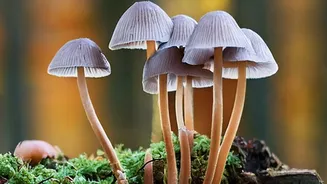
mounds and is hailed as a delicacy. Travel north to the Himalayan foothills, and you will hear whispers of ‘Gucchi’, or morel mushrooms, which are foraged in spring after the snow melts and can cost a fortune due to their rarity and unique, earthy flavour. In the forests of Jharkhand, tribal communities hunt for ‘Rugda’, a firm, fleshy mushroom often called ‘vegetarian mutton’. These fungi cannot be commercially cultivated; their appearance is dictated by nature, making them a fleeting, highly anticipated bounty that is deeply woven into the fabric of regional calendars.
A New Generation of Foragers
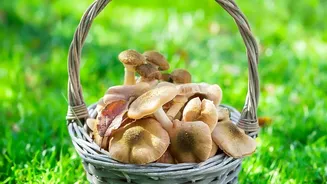
Traditionally, the knowledge of which mushrooms to pick and where to find them was a closely guarded secret, passed down through generations within families and local communities. Today, that knowledge is finding a new, wider audience. A growing number of young Indians, many from urban centres, are trading weekend brunches for forest walks. Guided by seasoned foragers and citizen scientists, these nature-curious individuals are joining foraging tours and workshops from the hills of Sikkim to the green pockets of Delhi. This movement is not just about finding food; it is an experience. It is about disconnecting from screens, learning to observe the natural world, and participating in a tradition that is as old as the land itself. Social media, once a space for globalised trends, is now filled with pictures of local finds, helping to spark curiosity and build a community around this ancient practice.
A Taste of Terroir and Tradition
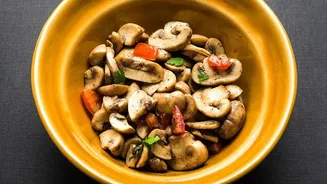
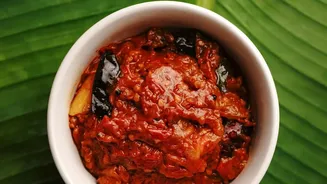
The true connection happens in the kitchen. Each region has its own cherished preparations that celebrate these wild ingredients. In Goa, a monsoon meal feels incomplete for many without a flavourful Olmi Xacuti, a rich curry made with roasted spices and coconut. In Jharkhand, the Rugda is often slow-cooked into a hearty curry and served with rice. The prized Gucchi, with its deep, nutty profile, elevates everything from pulaos to creamy sauces in fine dining establishments and traditional Kashmiri homes. For the young person tasting these dishes, it is more than a meal. It is a direct taste of a specific place—its soil, its climate, its history. It's a flavour profile that cannot be replicated, offering a profound sense of belonging and an appreciation for the subtle nuances of regional Indian cuisine.
The Search for Authenticity
What drives this renewed interest? For many young Indians, it is a reaction against a homogenised global food culture. It represents a deeper search for authenticity and sustainability. Foraging for your own food, even just once a season, fosters a powerful connection to the ecosystem and a greater respect for where ingredients come from. This trend taps into a growing desire to understand and preserve local biodiversity and culinary heritage. By learning from elders and tribal experts who are the traditional custodians of this knowledge, this new generation of food enthusiasts is becoming an important link in a chain that was at risk of being broken, ensuring these traditions are documented, celebrated, and carried forward.
A Path Paved with Caution
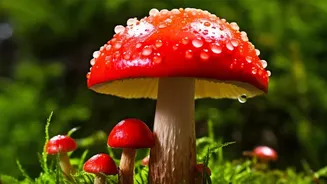
While the romance of foraging is undeniable, it is a path that must be walked with caution and respect. The forest does not distinguish between the edible and the toxic, and misidentification can have dangerous, even fatal, consequences. This is why learning from a knowledgeable guide is crucial. Furthermore, the rising popularity of wild mushrooms brings the risk of over-harvesting, which can damage fragile ecosystems and threaten the future availability of these species. Sustainable foraging—taking only what you need, leaving some behind for regeneration, and treading lightly—is an ethic that must accompany the enthusiasm. The goal is to ensure that these monsoon treasures can be enjoyed by generations to come.