




The Joy of a No-Fuss Garden
Starting a vegetable garden can feel like a major commitment, requiring specialized tools, expensive soils, and a deep well of knowledge. But it doesn't have to be that way. The secret to building confidence and mastering the essentials lies in starting
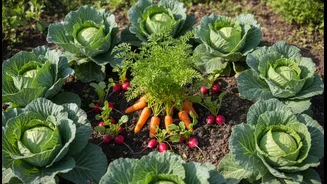
simple. By choosing easy-to-grow, resilient vegetables, you give yourself the chance to learn the fundamental principles of gardening—like soil preparation, watering, and harvesting—without the pressure of a high-stakes crop. Cabbage, carrots, and radishes are the perfect starter trio. Each grows in a slightly different way, offering unique lessons that form a solid foundation for all your future gardening adventures. They are forgiving of small mistakes and provide tangible, edible rewards relatively quickly, which is one of the most satisfying parts of growing your own food.
Gathering Your Gear on a Budget
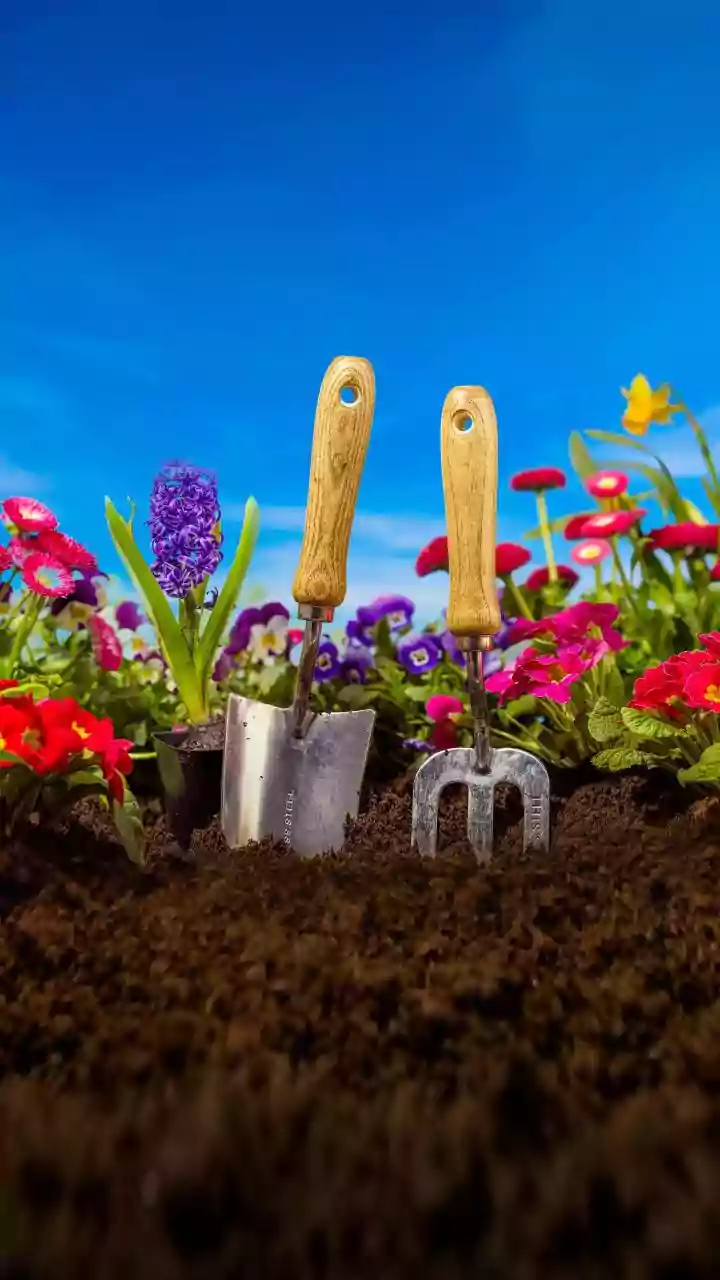
You do not need a shed full of expensive equipment to begin. Your minimalist gardening toolkit is both affordable and easy to find. The absolute essentials include containers, soil, and seeds. You can use almost any container, from dedicated pots or grow bags to repurposed buckets, as long as it has drainage holes at the bottom. For soil, a quality potting mix is better than heavy garden soil, which can become compacted in pots. You can often improve a basic mix by adding some compost for nutrients. Finally, you'll need a simple watering can or even just a bottle with holes poked in the lid. Tools like a small hand trowel can be helpful but are not strictly necessary to start. This simple setup is all you need to get your first seeds in the soil.
Lesson 1: The Radish Teaches Speed
The radish is a lesson in instant gratification and is one of the fastest vegetables you can grow. Some varieties are ready to harvest in as little as three to four weeks, making them perfect for impatient beginners. This quick turnaround teaches you about the full life cycle of a plant in a short time. Growing radishes demonstrates the importance of sowing seeds at the correct depth—about half an inch is perfect. As they sprout, you'll learn a crucial skill: thinning. Radish seedlings must be thinned to about two inches apart to give the roots enough space to swell into plump, edible globes. If they remain crowded, they'll focus on leaf growth instead of root development. Radishes also show how consistent watering is key; uneven moisture can cause them to split or become overly spicy.
Lesson 2: The Carrot Teaches Patience
If the radish teaches speed, the carrot teaches patience and the importance of what happens beneath the surface. Carrots require loose, stone-free soil to grow long and straight. If their roots encounter compacted soil or rocks, they will fork and twist into interesting shapes. Growing them in a deep container (at least 12 inches) filled with a fine potting mix is a great way to provide this ideal environment. Carrot seeds are tiny and can take up to three weeks to germinate, teaching you to keep the soil consistently moist during this delicate period. Unlike radishes, you can't see the harvest until you pull it, which builds a sense of anticipation. This process highlights the importance of soil preparation and trusting the growth process that you can't see.
Lesson 3: The Cabbage Teaches Space
Cabbage introduces the concept of space and structure. While radishes and carrots can be grown relatively close together, cabbage plants need ample room to spread their leaves and form a head. A single cabbage plant needs a large container, at least 12-18 inches deep and wide. This teaches the important lesson of planning for a plant's mature size. Cabbage is also a 'heavy feeder,' meaning it requires nutrient-rich soil to thrive. You'll learn about providing consistent water, as cabbage heads need steady moisture to develop properly. Furthermore, their large leaves can attract pests, offering a gentle introduction to garden scouting—regularly checking under leaves for insects and learning how to manage them simply, often just by hand-picking them off.
Your Newfound Gardening Skills
After successfully growing these three vegetables, you will have mastered the core skills applicable to almost anything else you might want to grow. You will understand how to choose the right container and soil. You will have learned to read a seed packet for information on planting depth and spacing. You will have practiced the art of thinning seedlings to prevent overcrowding. Most importantly, you will have developed an intuition for watering—learning to check the soil moisture rather than watering on a rigid schedule. You'll also have a firsthand understanding of the different needs of root vegetables versus leafy ones, and you will have experienced the full cycle from seed to harvest. These skills are the true foundation of a green thumb.