




The High Cost of a Quick Fix
For years, the brightly coloured cans of energy drinks have been a staple for students pulling all-nighters and young professionals facing tight deadlines. They promise instant alertness and enhanced performance, a tempting offer in our fast-paced world.
However, this quick boost comes at a significant cost. Most commercial energy drinks are loaded with staggering amounts of sugar, often exceeding the recommended daily intake in a single serving. This leads to the infamous 'sugar crash'—a sudden dip in energy that leaves you feeling more tired than before. Beyond sugar, they contain high levels of caffeine and a cocktail of synthetic stimulants like taurine and guarana. While effective in the short term, regular consumption has been linked to anxiety, heart palpitations, insomnia, and digestive issues. The term 'toxic' might seem strong, but for a growing number of health-conscious individuals, the artificial ingredients and high-sugar content are a deal-breaker.
Rediscovering a Desi Superfood
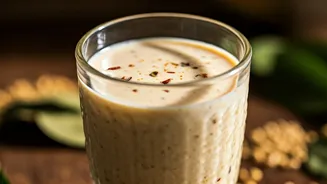
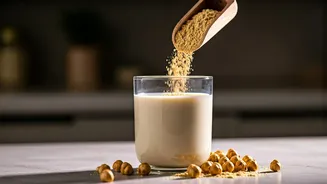
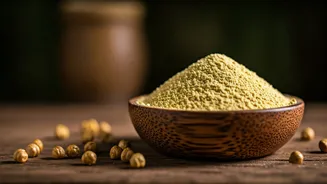
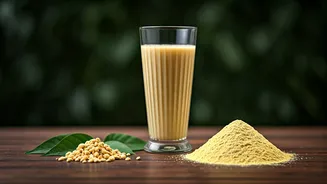
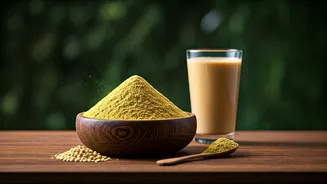
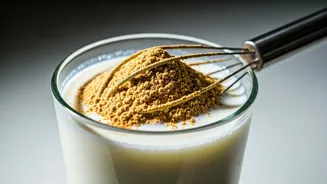
Enter sattu, the hero of this wellness story. For those unfamiliar, sattu is a flour made from roasted Bengal gram (kala chana) or a mixture of roasted grains and pulses. It’s a staple food in states like Bihar, Jharkhand, and Uttar Pradesh, where it has been consumed for centuries as a source of strength and sustenance. Often called 'the poor man's protein,' sattu is anything but poor in nutritional value. It’s a powerhouse of plant-based protein, fibre, and essential minerals like iron, manganese, and magnesium. Traditionally, it's mixed with water, salt, and a squeeze of lemon to create a simple, refreshing, and incredibly nourishing drink. Unlike the slick marketing of global beverage giants, sattu’s reputation has been built through generations of trust and tangible results.
The Nutritional Showdown
When you place an energy drink and a glass of sattu side-by-side, the contrast is stark. An energy drink provides a jolt of simple sugars and caffeine, causing a rapid spike and fall in blood glucose. Sattu, on the other hand, is rich in complex carbohydrates and has a low glycemic index. This means it releases energy slowly and steadily, providing sustained fuel for your body and brain without the crash. The high fibre content in sattu aids digestion and promotes a feeling of fullness, helping to curb unhealthy snacking. Furthermore, it's a natural coolant, making it an ideal summer drink to combat dehydration and heatstroke. While an energy drink offers a temporary, artificial lift, sattu provides holistic, natural nourishment that supports long-term health.
Why This Shift Is Happening Now
This movement is about more than just nutrition; it's a cultural shift. Today's youth are more informed and discerning than ever before. They are reading labels, questioning ingredients, and actively seeking out 'clean' and natural alternatives. The internet and social media have played a huge role in this, with wellness influencers and nutritionists championing traditional Indian foods. There's a growing sense of pride in our indigenous culinary heritage and a rejection of overly processed, globalised products. Sattu fits perfectly into this narrative. It is affordable, accessible, and sustainable. It represents a return to roots—a conscious choice to fuel the body with something pure and time-tested, rather than something concocted in a lab. This trend is a powerful statement about valuing long-term well-being over short-term convenience.