




Why Monsoon Is a High-Risk Period
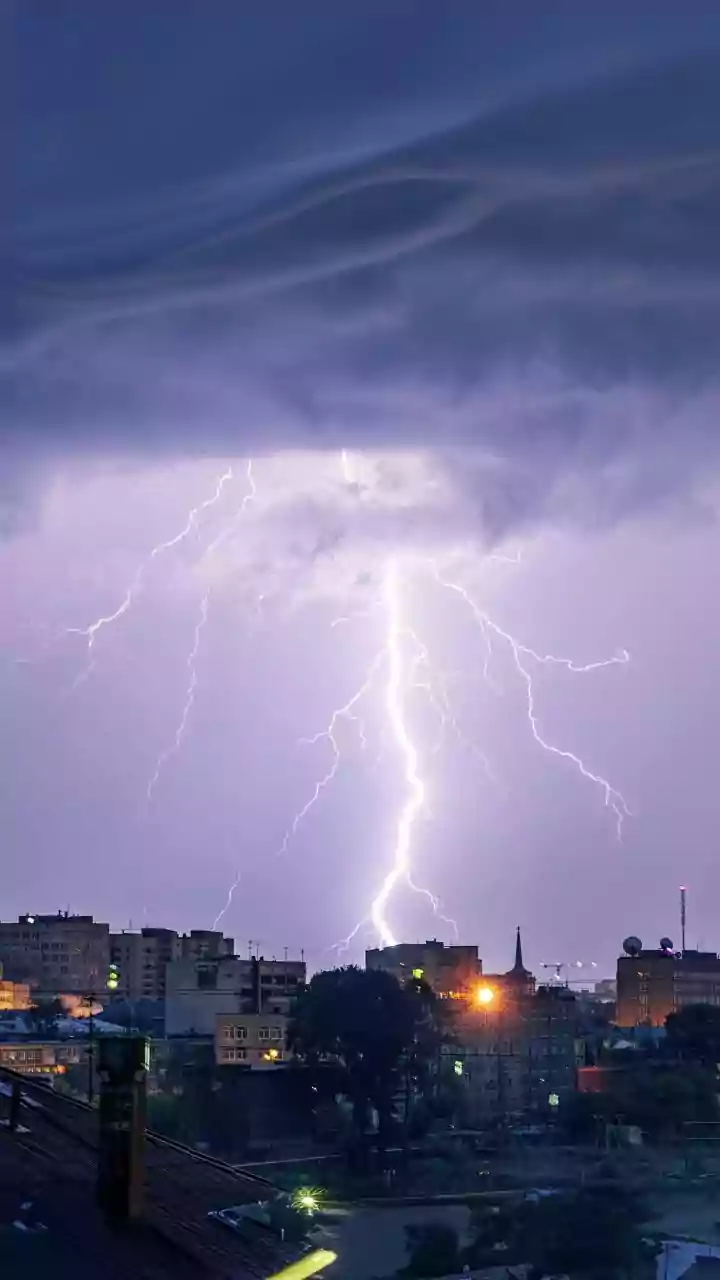
The monsoon season creates a perfect storm for electrical disturbances. Heavy rains, high winds, and lightning are a dangerous combination for the electrical grid. Lightning can strike power lines or nearby infrastructure, sending a massive voltage spike
through the wiring and into your home. Similarly, strong winds can cause trees to fall onto power lines, leading to fluctuations and surges as the utility company works to restore power. Furthermore, the increased humidity and potential for water leakage can compromise existing wiring, increasing the risk of short circuits and other electrical faults within the home itself. These events create sudden, intense bursts of electricity that can easily overwhelm and destroy sensitive electronic circuits in seconds.
Your First Line of Defence: Surge Protection
A surge protector, or Surge Protection Device (SPD), is designed to be your home's primary shield against these voltage spikes. Its job is to detect excess voltage and divert it safely to the ground wire before it can reach your valuable electronics. Think of it as a pressure-relief valve for your electrical system. Most of the time, it does nothing, allowing a normal electrical current to pass through. But when it senses a dangerous surge, it activates, absorbing the harmful excess energy and protecting everything plugged in downstream. Without this protection, that surge travels directly to your TV, computer, refrigerator, or air conditioner, potentially causing permanent damage.
Layering Your Protection: Whole-House vs. Plug-In
There are two main types of surge protection, and for the best security, experts recommend using them in a layered approach. The first layer is a whole-house surge protector, which is installed by an electrician directly at your main electrical panel. This device defends your entire home from large, external surges, like those from lightning, protecting all your outlets and even hardwired appliances like your AC unit, water pump, and washing machine. The second layer consists of point-of-use surge protectors, which are the familiar power strips you plug into a wall outlet. These are designed to protect specific, sensitive electronics like computers and home entertainment systems from smaller, internal surges that can be generated when large appliances cycle on and off. Combining both provides comprehensive coverage against threats from both outside and inside the home.
Choosing the Right Surge Protector
When buying a point-of-use surge protector, don't just grab the cheapest one. Look for a few key specifications. The first is the Joule Rating, which indicates how much energy the device can absorb before it fails; a higher number is better, with over 1,000 joules recommended for sensitive electronics. The second is the Clamping Voltage, which is the voltage level that triggers the protector to act. Here, a lower number is better, as it means the device will react to smaller surges. Finally, ensure it has an indicator light. Most surge protectors wear out over time or after a single major event, and the light confirms that the protective components are still working.
Essential Habits Beyond Hardware
Technology is only part of the solution. Adopting smart habits during the monsoon provides another crucial layer of safety. The simplest and most effective step is to unplug non-essential electronics during a severe thunderstorm. This physically disconnects them from the line, offering foolproof protection. Regularly inspect your home for any signs of water leakage near electrical sockets or wiring, as moisture is a major hazard. Avoid overloading a single outlet with too many high-power devices, which can create its own risks. Also, never touch switches or electrical appliances with wet hands. Educating everyone in the household about these basic safety rules is a simple, no-cost way to prevent accidents.