






What the Forecasts Say
The India Meteorological Department (IMD) has projected that the 2026 southwest monsoon will likely be 'below normal'. This translates to seasonal rainfall expected to be around 90-92% of the Long Period Average (LPA), a benchmark used to measure performance.
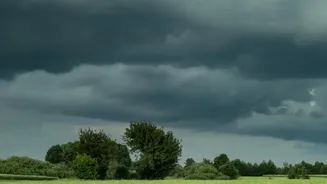
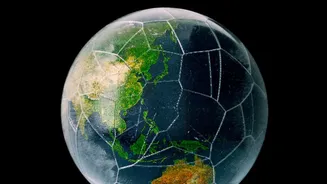
The primary driver behind this subdued forecast is the development of El Niño conditions in the Pacific Ocean, a global weather pattern historically linked to weaker monsoon rains in India. While June saw a significant rainfall deficit across the country, a brief recovery in July helped close some of the gap. However, the all-India deficit still stood at around 12% by mid-August, and predictions for the remainder of the season suggest continued weakness, keeping farmers and policymakers on high alert.
Pressure on the Kharif Harvest
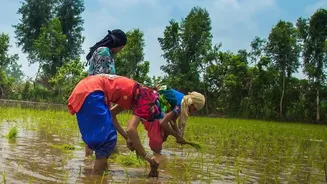
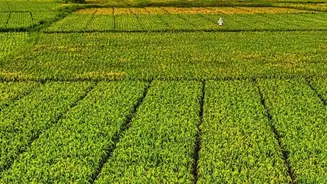
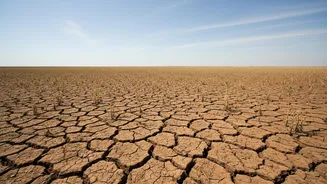
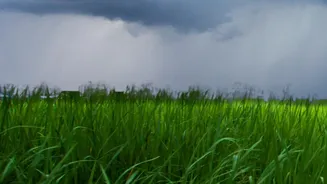
The timing and distribution of monsoon rain are critical for India's Kharif (summer) crops, which are sown in June and July. A delayed or deficient monsoon directly impacts sowing operations. As of mid-August, the total area sown with Kharif crops was trailing last year's figures by about 2%. Key crops like rice, pulses such as tur, maize, and cotton have all seen a reduction in acreage. With the sowing window now largely closed, the focus shifts to the health of the standing crops. The next few weeks are crucial, as consistent moisture is needed for the plants to grow and determine the final yield. Satellite data has already shown that a large portion of the country's agricultural land is experiencing drought-like stress due to insufficient rain.
The Ripple Effect on Your Wallet
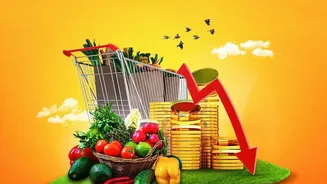
A potential shortfall in agricultural production inevitably raises concerns about food inflation. Lower supply of essential commodities like pulses, cereals, and vegetables can lead to a surge in market prices, directly impacting household budgets. Food inflation has already been on an upward trend, and a poor harvest would only add fuel to the fire. The Reserve Bank of India (RBI) is closely monitoring the monsoon's performance, as it is a major variable in its inflation calculations and decisions on interest rates. A spike in food prices could complicate efforts to manage inflation and might mean interest rates stay higher for longer, affecting the wider economy.
More Than Just Crops
The monsoon's impact extends far beyond the fields. It is the primary source for replenishing India's reservoirs, which are vital for drinking water, hydroelectric power generation, and providing irrigation for the next crop season (Rabi). A weak monsoon can lead to lower water levels, creating challenges for urban and rural water supply. Furthermore, since over half of India's population depends on agriculture for their livelihood, a poor harvest dampens rural incomes. This reduces purchasing power in the countryside, leading to a fall in demand for goods and services, which can slow down overall economic growth.
A Story of Uneven Distribution
While the national picture points to a deficit, the 2026 monsoon has also been a story of extreme contrasts. The term 'below normal' masks the fact that rainfall distribution has been highly uneven. While key agricultural belts in central and northwest India have faced dryness, other regions in the east and northeast have also seen significant shortfalls. At the same time, recent weather systems have brought intense, concentrated spells of rain to some areas, causing localised flooding and raising the risk of landslides. This highlights a growing challenge: managing both too little water and too much, often within the same season.