








The New Digital Weather Report
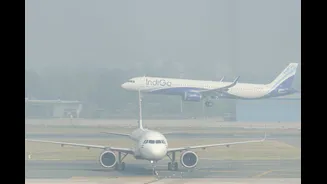
Airlines like IndiGo, Air India, SpiceJet, and Akasa Air have started issuing proactive warnings about potential flight disruptions due to heavy rain. These advisories, often posted on X (formerly Twitter) and other social platforms, typically caution
that flights to and from major hubs like Mumbai and Delhi might be affected. The language is usually cautious, mentioning that adverse weather “may impact” operations and urging passengers to check their flight status online before heading to the airport. This is a departure from the past, where passengers often found out about weather-related delays only after arriving at the terminal. Now, the information comes directly to their phones, nestled between memes and life updates.
Why the Sudden Change?
This shift is less about the rain itself—which is an annual affair—and more about a change in customer service strategy. Airlines are moving from a reactive to a proactive model of communication. The goal is to manage passenger expectations early. By warning of potential delays, diversions, or cancellations, carriers aim to reduce frustration and give travelers a chance to adjust their plans. It’s an acknowledgment that during the monsoon, operational disruptions are not a matter of 'if' but 'when'. Heavy rains can lead to low visibility, waterlogging on runways, and air traffic congestion, creating a domino effect that can ripple across the entire network. Giving passengers a heads-up is simply good practice in a season known for its unpredictability.
Decoding the Advisory
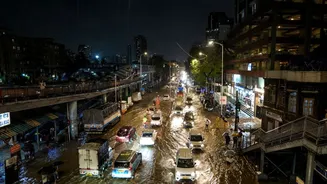
When an airline says flights “might get affected,” it covers a range of possibilities. At a minimum, it could mean minor delays as aircraft wait for a safe weather window to take off or land. In more severe cases, it can lead to significant delays, flight cancellations, or diversions to other airports. For instance, recent heavy rainfall in Mumbai has caused multiple flights to be diverted to cities like Hyderabad, Ahmedabad, and Vadodara. These advisories are also a cue to anticipate related challenges, such as slow-moving traffic and waterlogging on roads leading to the airport, which is why many advisories recommend allowing extra travel time.
Monsoon Flying and Safety
Behind these advisories are stringent safety protocols mandated by the Directorate General of Civil Aviation (DGCA). The aviation regulator issues detailed guidelines for monsoon operations, recognizing the unique hazards the season presents. These include risks like severe turbulence, wind shear, and visual illusions for pilots during landing on wet runways. The DGCA has been pushing airlines to prioritize safety over schedule adherence, encouraging pilots to divert or turn back if conditions are uncertain. Airlines are also required to deploy more experienced crew during adverse weather and conduct enhanced, scenario-based simulator training. So, while a delay is inconvenient, these advisories are part of a broader system designed to ensure passenger safety remains the top priority.
Your Pre-Flight Checklist
When you see a rain advisory for your travel day, don't panic. Instead, take a few practical steps. First, check your flight status directly on the airline's website or app for the most accurate, real-time information. Second, pack essentials like medications, chargers, and a change of clothes in your carry-on luggage in case of long delays or diversions. Third, understand your rights. While airlines don't owe monetary compensation for weather-related disruptions, they are still obligated to provide care. Under DGCA rules, this includes meals and refreshments for delays over two hours and hotel accommodation for significant overnight delays. Knowing this can help you advocate for yourself if you get stranded at the airport.