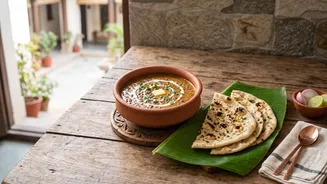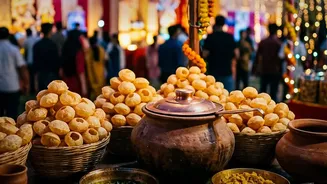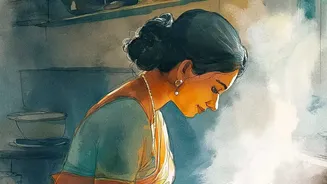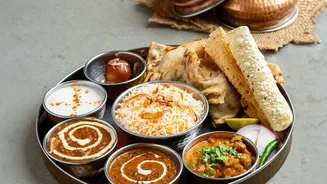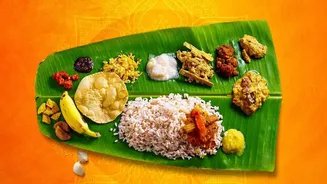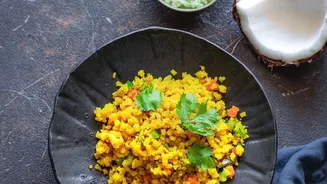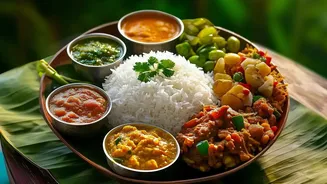

In the fast-paced landscape of urban India, amidst the buzz of delivery apps and global food trends, a quiet but powerful movement is simmering. In kitchens across the country, home cooks are turning the daily act of cooking into an art of preservation.
More Than a Meal, It's Memory
For a growing number of urban dwellers, preparing a traditional dish is not just about sustenance; it is a profound act of cultural preservation. Every meal prepared using a family recipe is a story retold, a connection to a place and a time that might otherwise feel distant. In a world that often pulls families apart, recreating a grandmother’s recipe is a tangible link to one's roots and heritage. This daily ritual serves as a delicious act of resistance against the homogenisation of food, ensuring that the rich diversity of India's regional cuisines continues to thrive not in museums, but on the dinner table. The aromas of hand-ground spices and slow-cooked gravies are more than just food—they are the scent of identity.
The Kitchen as a Modern Classroom
The kitchen has once again become a classroom, but the lessons are not always passed down in person. While the tradition of learning by observing elders continues, the digital age has introduced new tools for this exchange. For a generation that may have moved to cities for work or education, a phone call to a mother or an aunt for a recipe is a common practice, translating oral traditions into modern realities. Social media platforms like Instagram and Facebook have also become invaluable archives. Home cooks are documenting their family's culinary heirlooms, sharing not just recipes but the stories behind them, from a fiery Chettinad curry to a comforting Bengali shorshe ilish. These digital communities allow for the preservation and sharing of regional dishes that were once at risk of being forgotten.
Reviving Lost Flavours
This movement goes beyond popular dishes like butter chicken or biryani. Urban cooks are actively seeking out and reviving lesser-known recipes, turning their kitchens into laboratories for ancestral flavours. There's a renewed interest in regional specialities that rarely make it to restaurant menus, such as the Tamil Iyengar 'puli chutney' or the Maharashtrian 'pithla-bhakri'. This revival is also championed by chefs and food writers who are documenting these heirloom recipes in community cookbooks and online projects. Ventures dedicated to preserving family recipes are helping people publish their own family cookbooks, creating tangible records of their culinary legacy. This conscious effort ensures that the subtle, complex flavours of India's diverse food cultures are not lost to time.
Challenges in the Modern Kitchen
Preserving authenticity is not without its challenges. Urban life presents unique obstacles, from sourcing specific regional ingredients to finding the time that slow cooking often demands. Traditional recipes rarely come with precise measurements, relying instead on the cook's instinct—a skill developed over years of practice. A grandmother’s instruction to 'cook for four whistles' can be baffling to a novice using a modern pressure cooker. Furthermore, there is the pressure of adapting dishes for contemporary palates and healthier lifestyles without losing their essential character. Modern chefs sometimes use techniques like dehydration to reduce oiliness while retaining flavour, but for the home cook, the challenge is simpler: how to make it taste like it's 'supposed to' while navigating the constraints of a busy, modern life.