







More Than Just an Inconvenience
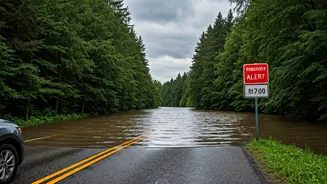
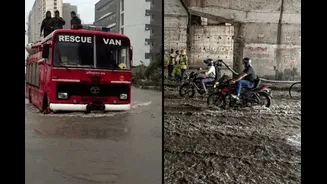
For the daily office-goer, a waterlogged street seems like just another hurdle. The real dangers, however, are often invisible. That murky water can conceal open manholes, deep potholes capable of trapping a vehicle, and debris that can cause accidents.
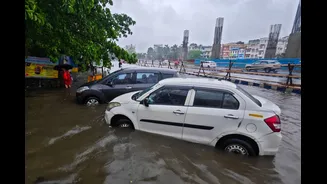
Worse, it can hide downed power lines, creating a risk of electrocution. Even six inches of water can be enough to cause a car to lose control or stall, while a foot can sweep a vehicle away. The water itself can be a cocktail of sewage and industrial waste, posing significant health risks like leptospirosis, cholera, and other infections for those who wade through it. Ignoring these risks by treating the commute as 'business as usual' is a gamble many take without realising the high stakes.
A Personal Safety Checklist for Commuters
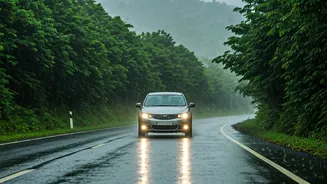
The first rule of monsoon commuting is simple: if a road is flooded, find another route. Before you even leave home, check weather alerts from official sources like the India Meteorological Department (IMD) and local traffic police updates. If heavy rain is predicted, question if your travel is essential. If you must travel, ensure your vehicle is prepared with good tyres and working brakes and lights. For two-wheeler riders, concealing exposed wires is crucial to prevent short circuits. If your vehicle stalls in water, do not try to restart it, as this can cause catastrophic engine damage. The safest action is often to abandon the vehicle and get to higher ground. It’s better to arrive late than to not arrive at all.
The Employer's Role: A Duty of Care
The responsibility for a safe commute doesn't end with the employee. Increasingly, companies are recognising their duty of care extends to the journey to and from the office, especially during extreme weather. A culture of safety is more than just a policy document; it's about action. On days with an IMD orange or red alert, which warn of heavy to extremely heavy rainfall, forcing employees to come to the office is an unnecessary risk. Progressive companies are leveraging flexible work policies, allowing employees to work from home on days when the commute is hazardous. This isn't about reducing productivity; it's about protecting their most valuable asset—their people. A clear communication protocol for weather-related disruptions is essential, letting employees know that their safety is the top priority.
Shifting to a 'Safety First' Commute Culture
Creating a safer commute culture is a shared responsibility. While municipal corporations work on long-term infrastructure solutions, immediate changes in behaviour can save lives. This involves a collective shift where getting home safely is valued more than a perfect attendance record. Companies can facilitate this by providing transport during difficult conditions, offering flexible shift timings to avoid peak waterlogging hours, or establishing clear work-from-home triggers based on weather advisories. For employees, it means making informed decisions, using real-time apps to check for waterlogged routes, and refusing to take unnecessary risks like driving through submerged underpasses, which are notorious flood traps.