





What is the 'Hydrogen for Heritage' Initiative?
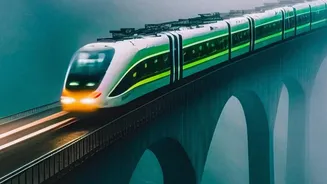
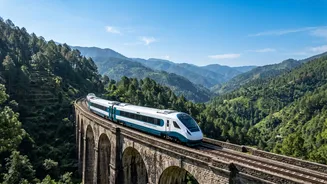
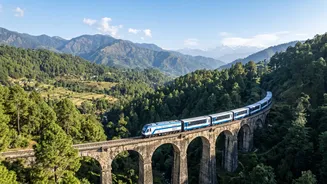
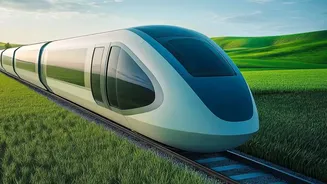
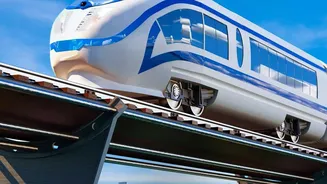
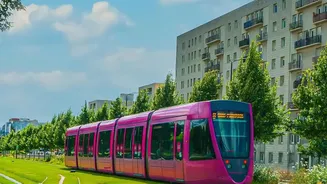
Announced as a visionary step towards decarbonisation, the 'Hydrogen for Heritage' initiative is Indian Railways' plan to replace traditional diesel locomotives on its iconic, often mountainous, heritage routes with new engines powered by hydrogen fuel
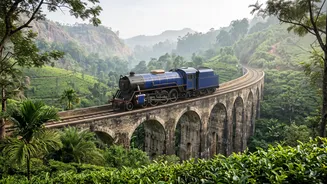
cells. The goal is to preserve the fragile ecosystems and serene beauty of these tourist-heavy areas by eliminating harmful emissions. This project is a key part of Indian Railways' broader mission to become a net-zero carbon emitter by 2030. Under this scheme, around 35 hydrogen-powered trains are planned for eight key heritage routes, including the famous Kalka-Shimla Railway, Darjeeling Himalayan Railway, and Nilgiri Mountain Railway. This move is not just a technological upgrade; it's a commitment to safeguarding India's cultural and natural treasures for future generations.
How Do Hydrogen Fuel Cell Trains Work?
Unlike a conventional engine that burns fuel, a hydrogen locomotive is essentially a self-contained electric train. The core of the system is a fuel cell, which acts like a miniature power plant. Inside the cell, hydrogen stored in onboard tanks is combined with oxygen drawn from the air. This electrochemical reaction generates electricity to power the train's motors, with the only byproduct being pure water vapour and some heat. This process is silent, efficient, and produces zero tailpipe emissions, making it a stark contrast to the noisy, polluting diesel engines currently used on many of these routes. Excess energy generated, for instance during braking, can be stored in batteries to provide extra power when needed for acceleration or climbing steep gradients, further boosting efficiency.
A Pioneer on the Tracks
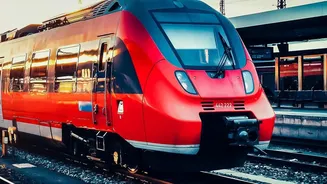
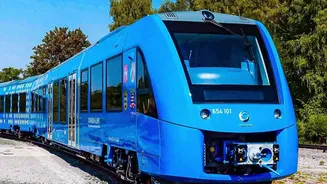
While countries like Germany have deployed hydrogen trains, India's focus on heritage routes is a unique and strategic application of the technology. India successfully launched its first domestically designed and built hydrogen train in July 2026 on the Jind-Sonipat section in Haryana. This pilot project is providing invaluable data on the performance and operational viability of hydrogen technology in Indian conditions. The experience gained here is intended to pave the way for a structured rollout on the more challenging heritage lines. By engineering its own systems, India joins a select group of nations exploring hydrogen rail and demonstrates a commitment to self-reliance ('Atmanirbhar Bharat') in cutting-edge green technology.
Why Target Heritage Routes First?
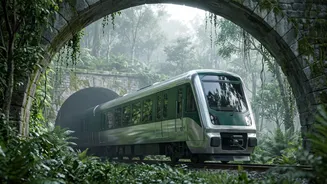
The choice to debut this technology on heritage lines is a masterstroke. These routes, such as the Kalka-Shimla line, pass through ecologically sensitive and beautiful landscapes where installing overhead electric cables would be both difficult and visually intrusive. The narrow-gauge tracks, numerous tunnels, and sharp curves make traditional electrification impractical. Hydrogen trains offer a zero-emission solution without requiring massive infrastructure changes to the tracks themselves. Furthermore, these routes are major tourist attractions. Running silent, pollution-free trains enhances the visitor experience, protects the local environment from noise and air pollution, and positions India as a leader in responsible, green tourism. It's a powerful statement about preserving the past with the technology of the future.
The Broader Impact: Setting a New Standard
The 'Hydrogen for Heritage' project sets a standard by proving that decarbonisation is possible even in the most challenging and cherished environments. It moves beyond simply replacing diesel with a cleaner alternative; it creates a new model for transport that is in harmony with its surroundings. This initiative supports India's National Green Hydrogen Mission, which aims to make the country a global hub for hydrogen production and use. As the cost of green hydrogen production falls, the economic case will only get stronger. By pioneering hydrogen use on these world-renowned railway lines, Indian Railways is not just reducing its carbon footprint but also showcasing a scalable solution that could eventually be adopted for other non-electrified routes across its vast network, setting a powerful precedent for railways worldwide.