


Why Planning Your Purchase Matters
Walking into a speciality tea shop or browsing online can present you with hundreds of options. Without a clear idea of what you’re looking for, it’s easy to feel lost or default to familiar but unexciting choices. By thinking about origin and ingredients
beforehand, you transform your shopping from a random guess into a focused exploration. This simple act of preparation helps you articulate your preferences to a seller, understand the story behind the tea, and ultimately bring home a brew you will genuinely enjoy. It’s the difference between buying just any tea and finding your tea.
Understanding Origin: The Soul of the Tea
The concept of 'terroir'—the unique environment where a tea is grown—is just as important in tea as it is in wine. Factors like soil, climate, and altitude dramatically shape a tea’s final flavour. This is why many teas are named after their place of origin. A 'single-origin' tea comes from one specific region or even a single farm, offering a pure taste of that location. In India, the three great tea regions are Darjeeling, Assam, and Nilgiri. Darjeeling, from the Himalayan foothills, is light, floral, and often called the "Champagne of Teas," best enjoyed without milk. Assam, from the lowlands of the northeast, is bold, malty, and robust—the classic base for a strong masala chai. Nilgiri teas from the southern Blue Mountains are bright, fragrant, and exceptionally smooth. Knowing these basics helps you narrow your search based on the flavour profile you’re craving.
Single-Origin vs. Blends
Your next decision is whether you want a single-origin tea or a blend. Single-origin teas showcase the unique character of a specific place and can vary subtly from year to year. Blends, on the other hand, are mixtures of teas from different origins, or a combination of tea with other ingredients like herbs, spices, or fruits. Classic examples include English Breakfast, a blend of strong black teas designed for a consistent, robust flavour that pairs well with milk. Blends are created by tea masters to achieve a specific, reliable taste profile, mixing different leaves to enhance complexity or maintain consistency across seasons. There is no superior choice; it simply depends on whether you prefer the unique snapshot of a single place or the crafted harmony of a well-made blend.
Choosing Your Ingredients: Pure or Flavoured?
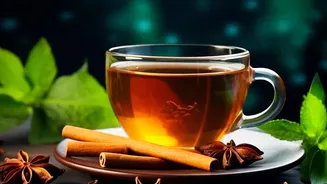
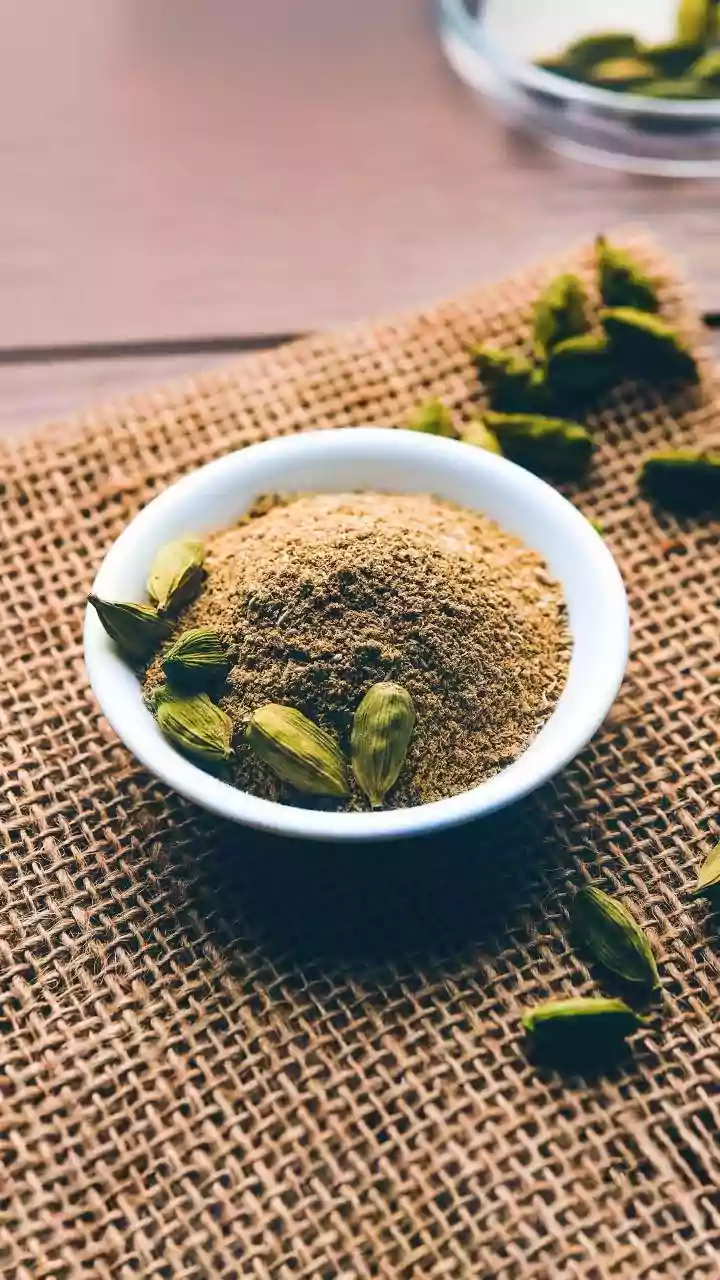
Beyond pure teas, there is a vast world of flavoured and scented blends. If you enjoy the fragrant, spicy warmth of masala chai, you’re already familiar with tea blending. Spices like cinnamon, cardamom, and ginger are common additions that complement a strong black tea base. Floral blends might include jasmine, rose petals, or lavender for a soothing, aromatic experience. Fruity blends often use dried apple, citrus peel, or berry pieces to add sweetness and tang. When shopping, think about the flavours you enjoy in other foods and drinks. Do you prefer warm and spicy, or light and floral? Deciding on your preferred ingredients beforehand will help you navigate the aisles, whether you're looking for a calming chamomile blend or an energising ginger-lemon infusion.
A Framework for Your Shopping List
Before you shop, ask yourself a few simple questions to build a profile of your ideal tea: 1. What’s the occasion? Are you looking for a strong morning wake-up call (think Assam) or a light, reflective afternoon sip (perhaps a Darjeeling)? A caffeine-free herbal blend for the evening? 2. What flavours do you enjoy? Malty, earthy, floral, fruity, spicy, or grassy? If you like bold coffee, a robust black tea might appeal. If you prefer herbal infusions, a delicate white tea or a floral oolong could be a great fit. 3. Milk and sugar or plain? If you plan to add milk, you'll want a strong, full-bodied tea like an Assam CTC or an English Breakfast blend that can stand up to it. Delicate teas like Darjeeling or most green teas are best enjoyed plain to appreciate their subtle notes. Answering these questions will give you a vocabulary to describe what you want. Instead of saying “I want to buy tea,” you can say, “I’m looking for a smooth, single-origin black tea from the Nilgiris to drink in the afternoon.”