



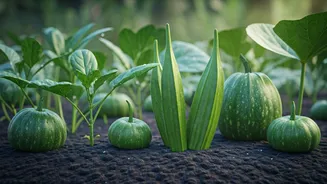


Why The Monsoon Is Perfect
Gardening might seem like a sunny-day activity, but the monsoon offers a unique advantage. The increased humidity creates a greenhouse-like effect, encouraging seeds to germinate faster. The frequent rain means you spend less time watering, as Mother
Nature handles the basics. For many classic Indian vegetables and herbs, this is their peak growing season. The cooler temperatures are less stressful for young saplings, giving them a strong start. Instead of seeing the grey skies as a reason to stay in, think of them as the perfect backdrop for cultivating life.
Choosing Your Monsoon Champions
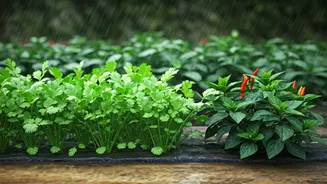
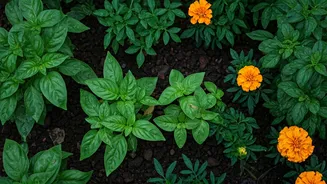
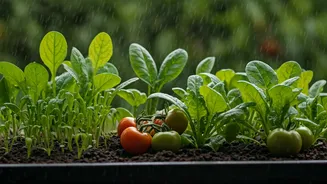
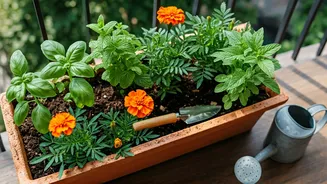
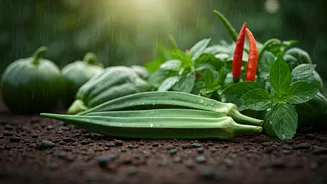
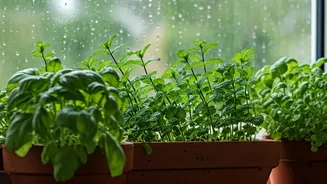
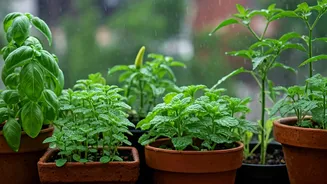
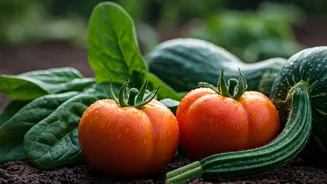
The key to a successful kitchen garden is choosing plants that thrive in the current conditions. During the monsoon, you want varieties that love water but aren't prone to rotting. Start with these foolproof options: - **Herbs:** Mint (pudina), coriander (dhaniya), and basil (tulsi) are essentials. They grow quickly in small pots on a windowsill and provide instant freshness for your chutneys, teas, and curries. - **Leafy Greens:** Spinach (palak) and amaranth (chaulai) flourish in the damp, cool weather. They are quick to mature, and you can harvest leaves continuously. - **Vegetables:** Okra (bhindi) is a monsoon superstar. It grows tall and is incredibly productive. Bush beans, cucumber, and bottle gourd (lauki) also do exceptionally well. For something a little more adventurous, try growing your own chillies and brinjal. - **Root Vegetables:** Radish (mooli) and carrots are good choices, as the soft, moist soil is easy for their roots to penetrate.
The Right Setup: Your Mini Farm
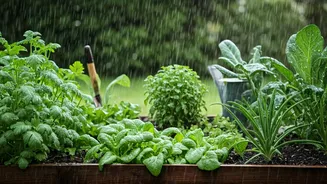
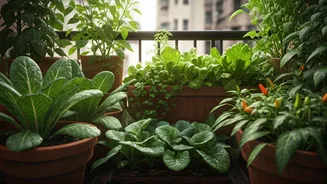
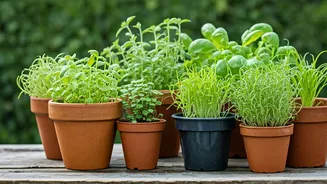
You don’t need a large backyard to start. A small balcony, a sunny window, or even a patio is more than enough. The most important element is your container. Almost anything can be a pot, as long as it has drainage holes. Old paint buckets, plastic bottles, or traditional clay pots (gamlas) all work. Good drainage is non-negotiable, especially during the monsoon, to prevent waterlogging and root rot. For soil, a simple mix of equal parts garden soil, coco-peat (which retains moisture but stays light), and compost or vermicompost will provide the perfect nutrient-rich base for your plants. This mixture ensures your plants get food, water, and air at the roots.
Monsoon Care 101
While the monsoon is helpful, it also presents challenges. The primary concern is overwatering. If your pots are in a spot where they receive heavy, direct rain, consider moving them to a covered area where they only get splashed. Always check the soil with your finger; if it feels wet an inch down, don't water it. Ensure your pots are elevated slightly on bricks or pot stands to allow excess water to drain freely. High humidity can also encourage fungal diseases and pests. A simple, organic solution is to spray your plants once a week with a neem oil solution (a few drops of neem oil mixed with water and a drop of liquid soap). This acts as a natural repellent and keeps your plants healthy without harsh chemicals.
More Than Just Food
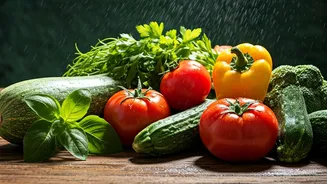
The reward of a kitchen garden goes far beyond the harvest. The act of tending to plants—watching a seed sprout, nurturing a sapling, and finally picking your own produce—is a powerful stress-buster. It’s a mindful activity that reconnects you with the natural world, even in a bustling city. The taste of a tomato picked moments before it lands in your salad is incomparable. It’s a simple joy that brings a sense of accomplishment and a deeper appreciation for the food we eat. Plus, it's a great way to ensure your family is eating fresh, pesticide-free produce.