





The Rise of Agri-Tourism
In the wake of a global pandemic that reshaped how we think about travel, there's been a noticeable shift. More travellers, especially younger Indians and work-from-anywhere professionals, are seeking experiences over amenities. They are trading infinity
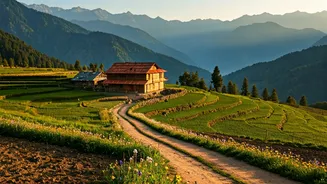
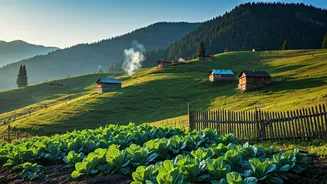
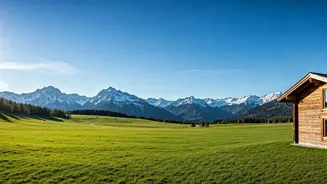
pools for apple orchards and hotel buffets for home-cooked meals straight from the farm. This isn't just a niche interest anymore. Driven by a search for isolation, connection with nature, and wallet-friendly options, remote farm stays in states like Himachal Pradesh are seeing a significant uptick in interest. These stays offer a rustic, immersive alternative to the commercialised tourism that defines popular spots like Shimla and Manali.
More Than Just a Bed
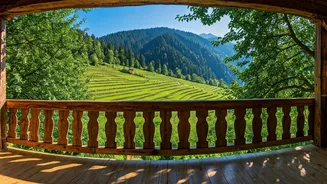
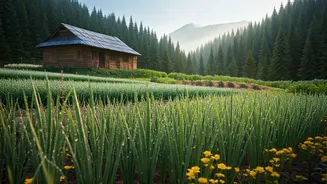
So, what exactly is a farm stay? At its core, it’s a form of accommodation on a working farm. But in Himachal, it’s much more than that. It’s an invitation into a family’s life. Guests typically stay in a separate cottage or a room within the family home, sharing meals and daily rhythms. The experience is the main draw. Imagine waking up to the sound of birds instead of traffic, helping your hosts pluck fresh vegetables for dinner, learning the basics of organic farming, or simply trekking through pristine forests with a local guide who knows every trail. It’s a return to a simpler, slower pace of life, offering a genuine cultural exchange that a conventional hotel can rarely provide.
Value That Goes Beyond Price
The term 'budget travel' often brings to mind cramped dorms and instant noodles. Farm stays are redefining this. While they are significantly more affordable than mid-range hotels—with costs often including hearty, home-cooked meals—their real value lies in the richness of the experience. For a fraction of the price of a commercial resort, you get unparalleled peace, access to pristine nature, and an authentic taste of Himachali culture and hospitality. This model also directly supports the local economy, ensuring your money benefits the families and communities you visit, rather than large, faceless corporations. It’s a sustainable form of tourism where both the traveller and the host gain immense value.
What to Expect (And What Not To)
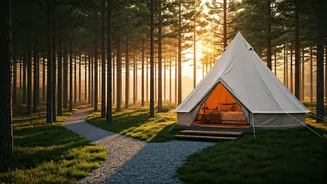
To fully enjoy a farm stay, it’s crucial to set the right expectations. This is not a luxury hotel experience. Amenities are often basic but clean and comfortable. Wi-Fi and mobile network can be patchy, which for many is a feature, not a bug. You won’t find a room service menu or a concierge. Instead, you'll find a warm host who might offer you a cup of chai and a story. Be prepared to be flexible, open-minded, and respectful of local customs. The pace is slow, dictated by the seasons and the farm's needs. If you’re looking for a party scene or non-stop entertainment, this isn't for you. But if you seek quiet, connection, and a chance to reset, you’ll find it in abundance.
Finding Your Slice of Heaven
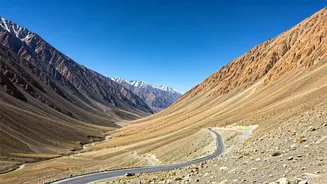
Unlike big hotel chains, the best farm stays aren’t always listed on major booking websites. Finding them is part of the adventure. Regions like Tirthan Valley, Kangra Valley, and parts of Kinnaur and Lahaul-Spiti are becoming hubs for this kind of travel. Word-of-mouth recommendations from fellow travellers are gold. Online travel communities on platforms like Instagram and Facebook are excellent resources for discovering hidden gems. A growing number of eco-tourism platforms also specialise in curating and listing verified farm stays, making it easier to find a place that aligns with your travel philosophy. A little research will lead you to a stay that offers the perfect blend of solitude and authenticity.