




The Art of the 'Everything' Bowl
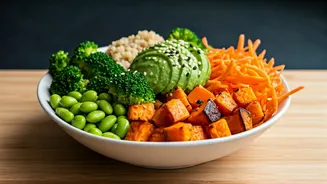
The beauty of a modern grain bowl, often called a 'Buddha bowl' or 'power bowl', is its sheer adaptability. It's not a strict recipe but a template for a balanced meal, combining different textures, temperatures, and tastes in perfect harmony. Think of it as a painter's
palette, but for your plate. The goal is to layer a filling grain, a satisfying protein, plenty of vegetables, a killer sauce, and a crunchy topping. This method ensures every bite is interesting and that you're getting a complete, nutrient-dense meal without dirtying every pot and pan in your kitchen. It’s the ultimate answer to the weeknight dinner dilemma, offering endless variety from a simple, elegant concept.
Step 1: Build a Hearty Base
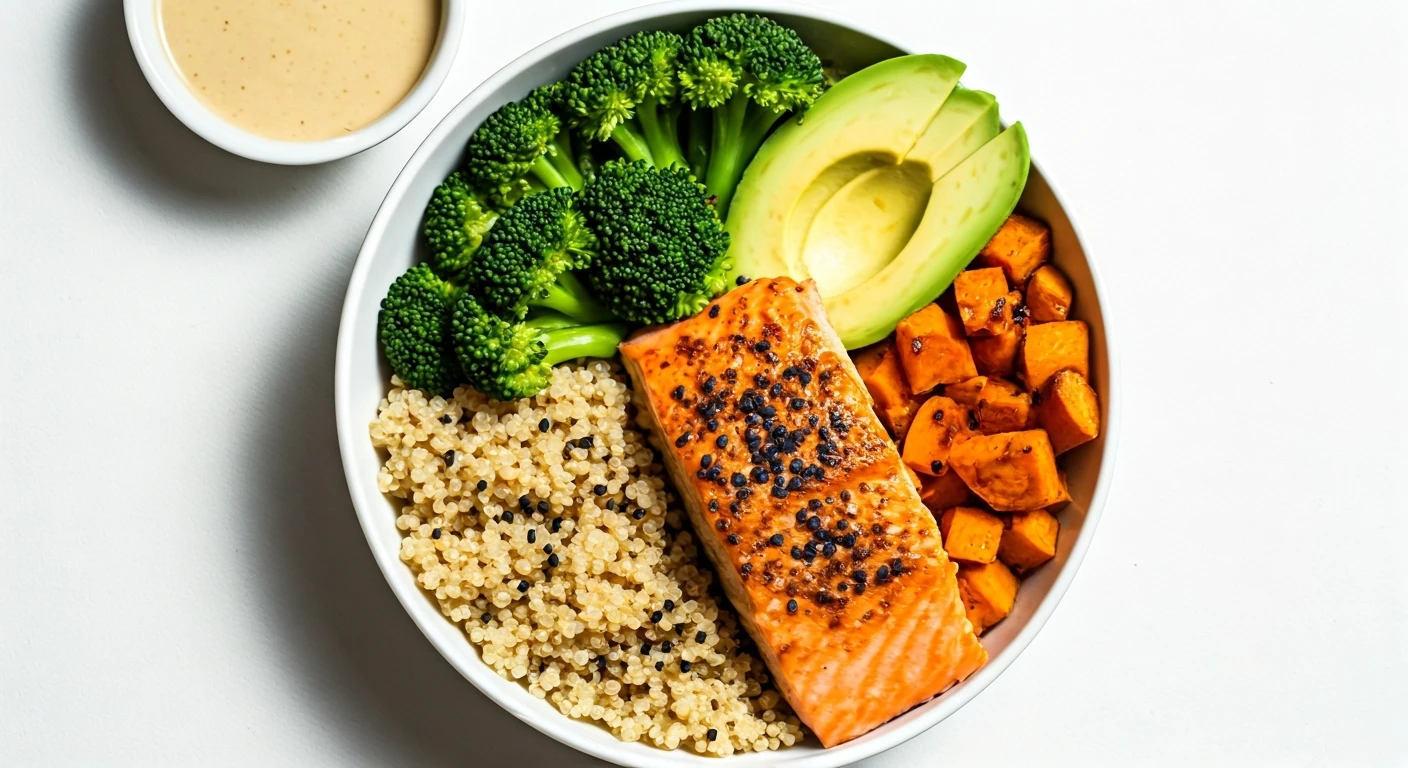
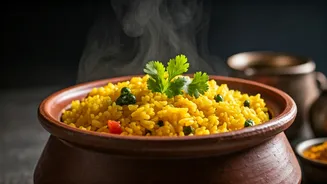
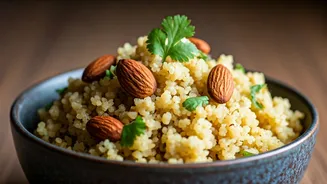
The foundation of your bowl provides substance and soaks up all the delicious flavours from the sauce. While you can use anything, a nutritious whole grain works best. Quinoa is a fantastic choice; it’s a complete protein, cooks quickly, and has a lovely, slightly nutty taste. Simply rinse one cup of quinoa, combine it with two cups of water or vegetable broth in a pot, bring to a boil, then cover and simmer for about 15 minutes until the liquid is absorbed. Fluff it with a fork and you’re ready. Other great options include brown rice, millets like foxtail or bajra, or even hearty greens like chopped kale if you prefer a lighter base.
Step 2: Pick a Powerful Protein
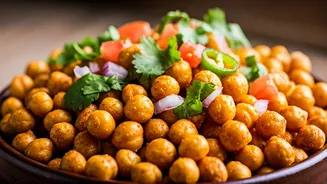
This is what makes your bowl a truly satisfying meal. For a plant-based option that’s packed with flavour, spicy roasted chickpeas are a winner. Drain and rinse a can of chickpeas (chole) and pat them completely dry. Toss them with a tablespoon of olive oil, half a teaspoon of smoked paprika, a pinch of cayenne pepper, and salt. Spread them on a baking sheet and roast at 200°C (400°F) for 20-25 minutes, until crispy and golden. They add a wonderful texture and a spicy kick. Cubed and pan-fried paneer, seasoned tofu, or leftover tandoori chicken would also work wonderfully here.
Step 3: Add Colour and Crunch
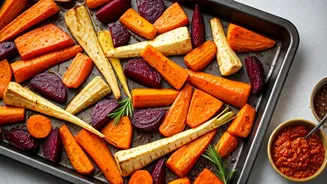
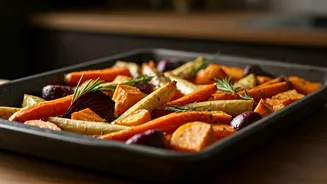
Vegetables are where you can get really creative. A mix of cooked and raw veggies provides the best textural contrast. Try roasting some sweet potato or broccoli florets alongside your chickpeas. While they cook, prepare your fresh components. Thinly sliced red onion adds a sharp bite, shredded carrots offer sweetness and crunch, and a handful of fresh spinach or rocket leaves brings a peppery freshness. Sliced cucumber or cherry tomatoes are also excellent additions. Don't hold back—the more colour, the more nutrients and flavour you’re packing in.
Step 4: The Sauce That Ties It All Together
A great sauce is non-negotiable; it's the element that unifies the entire bowl. A creamy, dreamy tahini dressing is both simple and incredibly versatile. In a small bowl, whisk together 1/4 cup of tahini (sesame paste), the juice of one lemon, one minced garlic clove, and 1-2 tablespoons of maple syrup or honey for a touch of sweetness. It will seize up and become thick at first—don't worry! Slowly whisk in 3-4 tablespoons of warm water, one at a time, until you reach a smooth, pourable consistency. Season with salt and pepper to taste. This sauce is nutty, tangy, and savoury, and it complements almost any ingredient.
Step 5: Assemble and Garnish
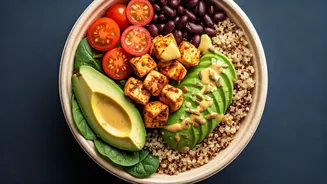
Now for the fun part. Grab your favourite bowl. Start by spooning in a generous portion of your quinoa base. Then, arrange your protein and vegetables in separate sections on top—this makes the bowl visually appealing. Drizzle your tahini dressing generously over everything. Finally, add a finishing touch for extra texture and flavour. A sprinkle of toasted sesame seeds or sunflower seeds adds a delightful crunch. Freshly chopped coriander or parsley brings a burst of herby brightness. A slice of lime or a wedge of avocado on the side is never a bad idea. Serve immediately and enjoy the explosion of flavour.