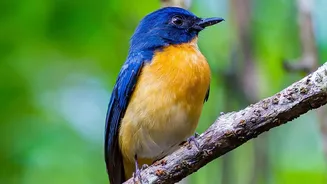







The Allure of Andaman's Avian Treasures
South Andaman is a paradise for birdwatchers, a place where dense tropical forests meet coastal wetlands, creating a mosaic of habitats. The islands are home to over 270 bird species, with a significant number of endemics—birds found nowhere else on Earth.
Key birding hotspots like Chidiya Tapu (literally 'Bird Island'), Mount Harriet National Park, and the wetlands of Sippighat draw enthusiasts from across the globe. Here, one can spot the majestic Andaman Serpent Eagle, the elusive Andaman Crake, and the striking Andaman Woodpecker, among many others. The air is filled with the calls of Andaman Bulbuls and the flash of a Violet Cuckoo's wings. This rich biodiversity makes it a premier destination, but the very wilderness that nurtures this life also presents a challenge for the unprepared traveller.
Why a Guide Is Non-Negotiable
Venturing into the dense rainforest trails of South Andaman without an expert is not just impractical, it can be fruitless. Many of the most sought-after endemic species, especially nocturnal birds like the Andaman Scops Owl and Hume's Boobook, are incredibly difficult to find. A skilled guide does more than just lead the way; they are interpreters of the forest. They possess an intimate knowledge of bird calls, behaviours, and the specific micro-habitats where certain species roost or feed. Their trained eyes can pick out a camouflaged bird that a novice would overlook, transforming a quiet walk into a series of exciting discoveries. Furthermore, many prime birding locations are within protected forest areas or national parks, which may require permits and have restricted hours, making a local guide essential for navigating regulations and access.
The Makings of a Great Birding Guide
The difference between a good trip and an unforgettable one lies in the quality of your guide. A great guide possesses a specific set of skills that go far beyond basic identification. Look for guides with deep, lifelong field instincts and a scientific background; some of the best have worked with institutions like the Zoological Survey of India (ZSI) or the Bombay Natural History Society (BNHS). They should demonstrate profound knowledge of avian vocalizations, being able to identify a bird by its call long before it's seen. Ethical practices are paramount: a responsible guide will never use baiting to attract birds or disturb nesting sites. They prioritise the well-being of the wildlife. They should also be patient, catering to your pace, whether you are a keen photographer needing time for the perfect shot or a lister eager to see as many species as possible.
Red Flags to Watch for Before Booking
Just as there are signs of a great guide, there are warning signs of a poor one. Be cautious of operators offering exceptionally cheap tours; quality and expertise come at a price. A lack of specific details in the itinerary is another red flag. A professional guide or company will be able to provide a day-by-day plan tailored to your target species. Vague promises of seeing 'many birds' are not enough. Ask specific questions about their experience with endemic species like the Andaman Crake or Andaman Masked Owl. Be wary of guides who seem impatient or rush the experience. Finally, check for reviews and testimonials from other birdwatchers. A guide with a strong, positive reputation in the birding community is often your safest bet.
Finding and Vetting Your Expert
To find a reputable guide, start by researching established local tour operators who specialise in birding. Many have detailed websites showcasing their guides' credentials and tour options. Don't hesitate to reach out directly via email or phone for a personal consultation. This allows you to gauge their knowledge and professionalism. Ask them about their strategy for finding your target birds, their policy on group sizes (smaller is almost always better), and what is included in the cost, such as permits, transport, and water. Booking in advance is crucial, as the best guides have limited availability. A small deposit is often required to reserve your spot. This vetting process ensures that your investment leads to a rewarding and successful birding adventure.