





Meet Kokum: The Fruit You Don't Know Yet
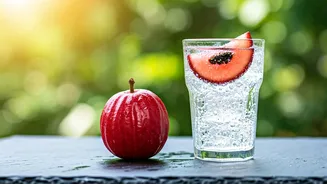
Before you see its name splashed across the artisanal beverage aisle, let’s get acquainted. Kokum (Garcinia indica) is a small, red fruit native to the Western Ghats of India, a lush coastal region. A cousin to the more famous mangosteen, kokum has been
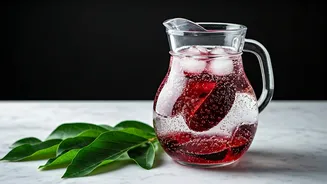
a culinary and medicinal staple in Indian households for centuries. While the fresh fruit is used, it’s most commonly found in its dried form—a dark, purplish-black rind that looks a bit like a shriveled plum. When soaked, these rinds release a brilliant ruby-red hue and a distinctive flavor that is key to their enduring appeal. It's not just a flavoring; in many parts of India, it's a fundamental part of the pantry, used as a souring agent in curries and lentils, much like tamarind.
A Centuries-Old Secret to Beating the Heat
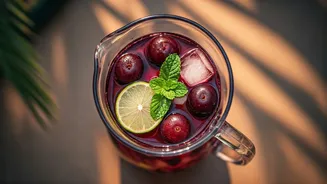
The idea of infusing kokum into a cool drink is far from a modern invention. For generations, people in India have been making kokum sherbet (or sharbat) to combat the sweltering heat. This traditional cooler is a simple mixture of kokum concentrate, water, sugar, and sometimes a pinch of cumin or black salt. It's revered not just for its thirst-quenching properties but also for its place in Ayurvedic tradition, where it's believed to be a 'pitta' pacifier—an agent that cools the body and aids digestion. Another beloved preparation is Sol Kadhi, a soothing pink-hued drink from the Konkan coast made with kokum and coconut milk, often served after spicy meals. This history gives kokum-infused drinks a sense of authenticity and time-tested efficacy that many modern wellness trends lack.
From Ancient Cooler to Modern Seltzer
So why is this ancient ingredient suddenly appearing in your sparkling water? The answer lies at the intersection of several modern consumer trends. Today's drinkers are more adventurous than ever, actively seeking out unique, global flavors that tell a story. There’s also a massive shift away from sugary sodas toward beverages with perceived health benefits. Kokum fits the bill perfectly. It’s natural, plant-based, and associated with wellness without being overly medicinal. For beverage makers looking to innovate beyond the standard lemon-lime and berry flavors, kokum offers a complex and sophisticated profile that feels both exotic and approachable. Carbonating it and bottling it as a sparkling water is simply a 21st-century update to the age-old practice of making kokum sherbet.
A Flavor Profile Built for Summer
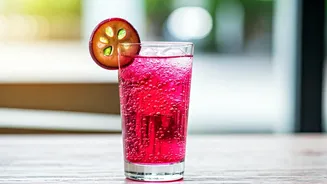
The real magic of kokum is its taste. Forget one-note sweetness. Kokum delivers a complex, layered experience. Its primary flavor is a bright, sharp tartness, but it’s rounded out by a subtle, underlying sweetness and a savory, almost briny finish. This unique combination is what makes it so incredibly refreshing. On a hot, humid day, an overly sweet drink can feel cloying and leave you thirstier. Kokum’s acidity, however, cuts cleanly through the mugginess, cleansing the palate and genuinely quenching your thirst. Its flavor is invigorating, waking up your senses without the jittery rush of caffeine or the sugary crash of a soda. The stunning, translucent magenta color it imparts to a drink only adds to the appeal, making it as beautiful to look at as it is to sip.
How to Get Your Kokum Fix
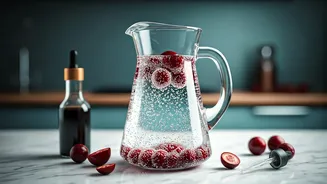
Ready to try it? You’re in luck. A growing number of brands are launching kokum-infused sparkling waters, often found in the wellness or international sections of specialty grocers like Whole Foods, as well as online. When you're shopping, look for simple ingredient lists that let the fruit's natural flavor shine through. For the DIY-inclined, the experience is even more accessible. You can find dried kokum or kokum concentrate (syrup) at any well-stocked South Asian grocery store or online. To make a simple sparkling kokum cooler, just spoon some concentrate into a tall glass of ice, top with your favorite unflavored sparkling water, and garnish with a mint sprig. It’s a simple, elegant way to create a sophisticated, non-alcoholic cocktail that’s perfect for a summer evening.