

Your Phone is a Planetarium
Modern stargazing apps transform your phone into a powerful, portable planetarium. They work by using your phone's built-in sensors. The GPS determines your exact location on Earth, while the compass and gyroscope figure out which direction you're pointing
the device. When you hold your phone up to the sky, the app combines this data to create an accurate, real-time map of the celestial objects in your view. Many apps use augmented reality (AR), which overlays star names, constellation outlines, and planet labels directly onto your screen, blending the digital guide with the real night sky. This makes identifying what you're seeing incredibly intuitive, even for an absolute beginner.
Top Apps for Finding Planets
For those just starting, several apps offer a fantastic, user-friendly experience. Star Walk 2 is often recommended for beginners due to its beautiful graphics and easy-to-use interface. It provides an AR overlay and a satellite tracker even in its free version. SkyView Lite is another excellent choice that excels at identifying objects and providing detailed information about them with a simple point-and-discover method. For those wanting a highly realistic and comprehensive free option, Stellarium Mobile is based on renowned desktop software. It boasts a huge database of stars and objects, presenting the sky with stunning accuracy and offering views from different cultures.
Catching the International Space Station
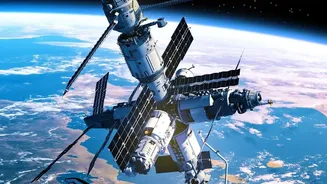
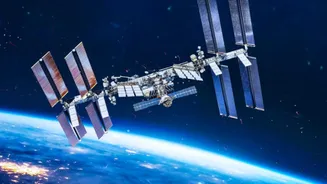
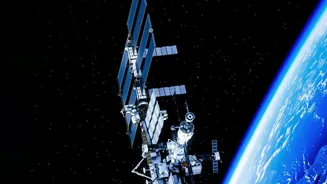
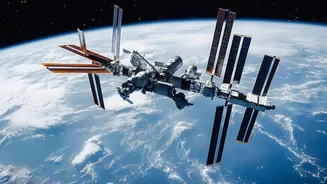
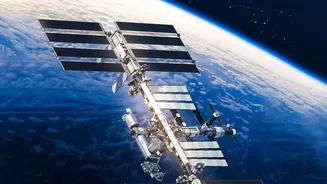
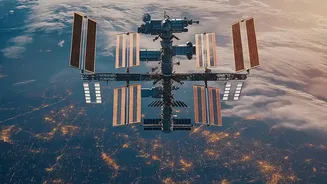
Spotting the International Space Station (ISS) is a unique thrill. It looks like a very bright, fast-moving star gliding silently across the sky. Because its path depends on your location and the time, an app is almost essential for knowing when and where to look. While many general stargazing apps can track the ISS, dedicated apps offer more specialized features. NASA has its own official Spot The Station app, which provides real-time tracking and sends push notifications to alert you before a visible pass over your location. Other popular choices include ISS Detector, which not only tracks the ISS but also provides details on viewing conditions. These tools can give you precise times, the path it will take across your sky, and how long it will be visible.
Tips for a Better Viewing Experience
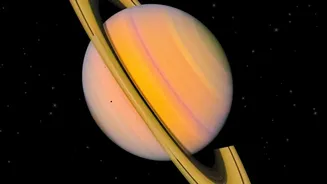
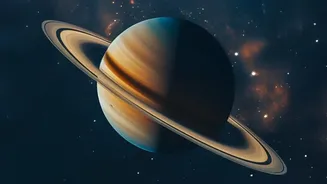
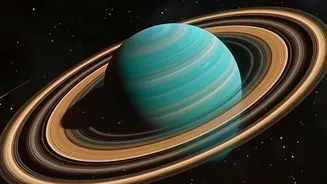
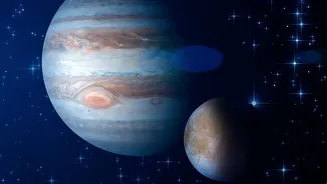
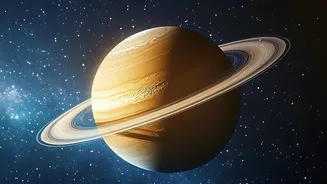
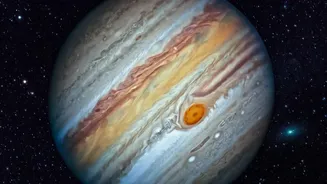
To make the most of your stargazing session, a little preparation goes a long way. First, try to get away from bright city lights. Light pollution washes out fainter stars and makes it harder to see details. Second, give your eyes time to adjust to the darkness—it can take up to 20 minutes for your night vision to fully kick in. Many apps help with this by offering a 'night vision mode,' which turns the screen red to preserve your dark-adapted eyes. When you spot a bright 'star' that doesn't seem to twinkle, there's a good chance you're looking at a planet like Jupiter or Saturn. The apps can instantly confirm your finding. Finally, remember that these apps can also be used during the day to see where the Sun and Moon are, or even indoors to learn the constellations from your couch.