






Why We’re All So Stressed
In today’s hyper-connected world, our nervous systems are often in a state of high alert. Constant notifications, work pressures, and the endless scroll of social media keep our bodies flooded with cortisol, the primary stress hormone. This chronic state of 'fight
or flight' can lead to anxiety, poor sleep, and burnout. While we can’t always change our external circumstances, we can change how we respond to them. The key is finding simple, accessible tools that help us shift from a state of stress to one of rest and recovery. This is where the powerful combination of traditional Hatha yoga and nature sounds comes in, offering a sanctuary you can create for yourself in just a few minutes.
The Gentle Power of Hatha Yoga
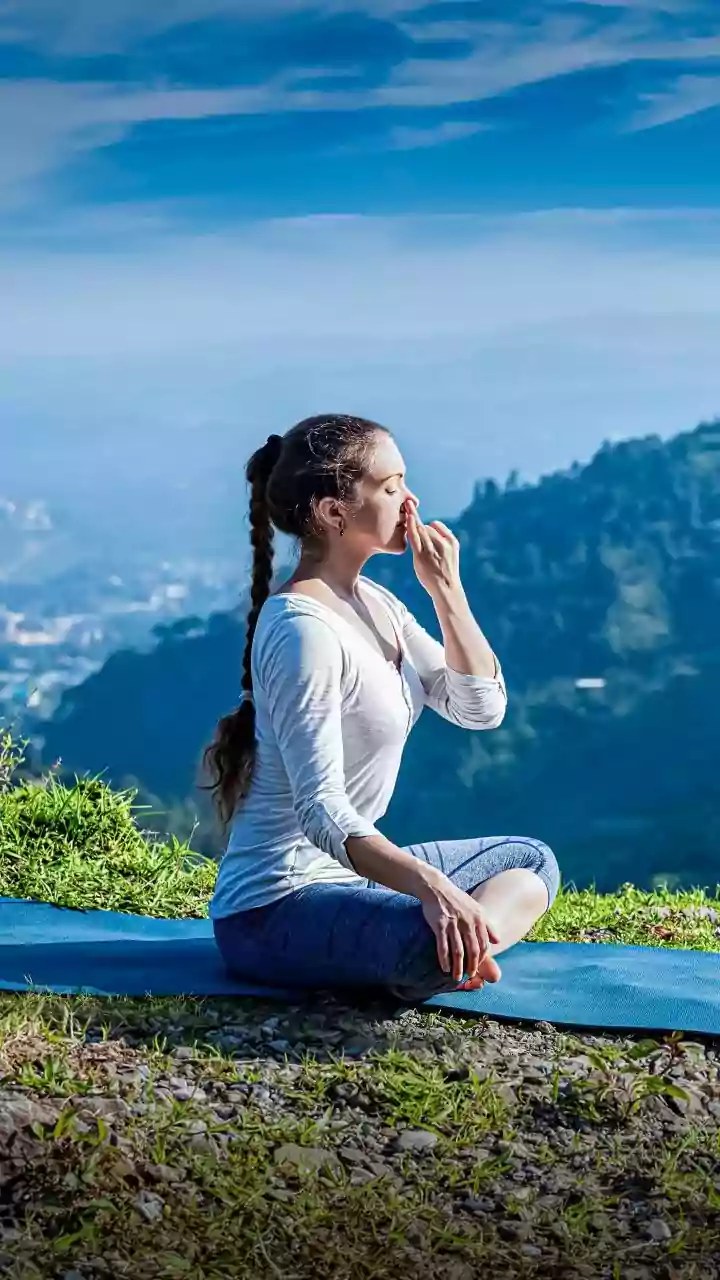
Hatha yoga is the foundational practice from which many modern styles of yoga have emerged. Unlike fast-paced Vinyasa flows, Hatha focuses on slow, deliberate movements and holding postures (asanas) for several breaths. This gentle approach has a profound effect on the nervous system. By linking breath to movement, you activate the parasympathetic nervous system—your body’s 'rest and digest' mode. Holding a stretch allows your muscles to release deep-seated tension, while the focus required to maintain balance and posture brings your mind into the present moment. It's not about achieving the 'perfect' pose; it's about paying attention to the sensations in your body and using your breath as an anchor. This mindful quality makes Hatha an incredibly effective practice for reducing anxiety and mental chatter.
Nature's Soothing Soundtrack
Have you ever noticed how you feel instantly calmer when you hear rain tapping against a window or birds singing in the morning? There's a scientific reason for this. Our brains are wired to interpret natural sounds as signs of safety. In contrast, abrupt, artificial noises can trigger an alert response. Research in fields like eco-acoustics shows that listening to 'soundscapes' from the natural world can lower blood pressure, decrease cortisol levels, and improve mood. Sounds like flowing water, rustling leaves, or gentle waves often have a consistent, non-threatening quality that helps mask distracting urban noise and guides the brain into a meditative state. When you pair this auditory experience with a physical practice like yoga, the de-stressing effects are amplified.
Your 15-Minute De-Stress Sequence
Find a quiet corner, roll out a mat or a soft towel, and cue up a playlist of nature sounds (rain, forest, or ocean waves work well). Set a timer for 15 minutes and move through these simple poses. 1. **Cat-Cow (Marjaryasana-Bitilasana):** Start on your hands and knees. As you inhale, drop your belly and look up (Cow). As you exhale, round your spine and tuck your chin (Cat). Repeat for 10 breaths, letting the movement flow with the sound of the rain or wind. 2. **Child's Pose (Balasana):** From your hands and knees, bring your big toes to touch and sink your hips back towards your heels. Rest your forehead on the mat. This pose is deeply restorative. Stay here for 5-8 deep breaths, imagining the tension melting from your back and shoulders. 3. **Standing Forward Bend (Uttanasana):** Slowly come to a standing position. On an exhale, hinge at your hips and fold forward. Let your head hang heavy and keep a generous bend in your knees to protect your lower back. Gently sway from side to side. Hold for 5 breaths. 4. **Corpse Pose (Savasana):** Lie on your back with your legs extended and arms resting by your sides, palms facing up. Close your eyes and do nothing. Simply listen to the nature sounds and allow your body to feel heavy and relaxed. Stay here for the remaining time.
Make It a Ritual
The magic of this practice lies in its consistency. You don’t need an hour to feel the benefits; even 10-15 minutes can make a significant difference. Try to make it a daily ritual. Perhaps it's the first thing you do in the morning to set a calm tone for the day, or maybe it’s your way of unwinding before bed. Don't worry about getting it 'right'. The goal is simply to show up for yourself, to breathe deeply, and to create a small pocket of peace in your day. By intentionally pairing gentle movement with calming sounds, you're sending a powerful message to your body and mind: it's safe to relax.