




The New Engine of Mumbai's Housing Market
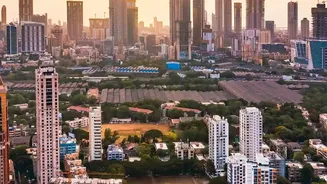
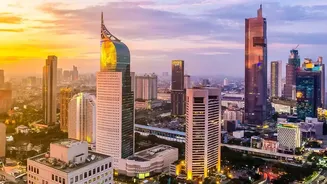
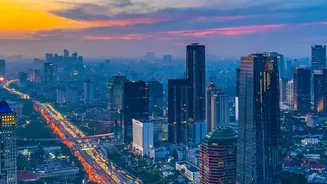
In a city with virtually no vacant land left for new construction, building up by tearing down has become an urban survival imperative. Recent industry reports confirm this shift, showing that redevelopment’s share of housing sales has jumped to 15% in the
last year, a significant rise from just 6% a few years ago. With over 1,000 redevelopment projects launched since 2020, they now account for 13% of the city's total residential supply. This boom is fuelled by government policies encouraging urban renewal and the urgent need to replace thousands of ageing, dilapidated buildings across the city. For homebuyers, this means the inventory of available homes is increasingly located in older, established neighbourhoods rather than peripheral new developments.
The Upside: Why Buyers Are Attracted
The primary appeal of a redeveloped property is its location. These projects offer a chance to own a brand-new home with modern amenities in prime, well-connected areas that have established social infrastructure like schools, hospitals, and markets. Unlike new projects on the outskirts, there's no long wait for the neighbourhood to develop. The homes themselves are designed to modern standards, with better space planning, ventilation, and safety features like earthquake-resistant structures and updated fire safety systems. This combination of a new building in a mature locality often translates into strong long-term property value appreciation and better rental yields, making it an attractive proposition for both end-users and investors.
The Hidden Risks: Delays, Disputes, and Defaults
While the benefits are clear, redevelopment projects carry significant risks that are different from buying a standard new-build flat. The single biggest issue is project delays, which are extremely common. Legal disputes among existing society members, hurdles in securing approvals, or a developer's financial instability can stall a project for years, sometimes even a decade. Homebuyers can find themselves in a limbo, paying both rent and their home loan EMI while waiting for a home that exists only on paper. Other major risks include disputes over the original property's title, issues with obtaining the final Occupation Certificate (OC), and developers who lack the specific experience required to navigate the complexities of redevelopment.
Your Homebuyer's Due Diligence Checklist
Given the risks, thorough verification is non-negotiable. Before committing, every homebuyer should investigate several key areas. First, scrutinize the developer. What is their track record specifically with completed redevelopment projects? Avoid builders with no prior experience in this complex field. Second, verify the project’s legal status. Ensure it is registered with the Maharashtra Real Estate Regulatory Authority (MahaRERA), and check the portal for timelines and any complaints. Confirm that the developer has all crucial approvals, including the Intimation of Disapproval (IOD) and Commencement Certificate (CC). Finally, review the legal agreements, including the main Development Agreement between the society and the builder, to understand the terms, timelines, and penalty clauses.
Making the Right Choice for You
Choosing between a redevelopment project and a traditional new construction depends on your risk appetite, budget, and priorities. A redevelopment property might offer a superior location and a potentially lower entry price compared to a new launch in the same area. However, it demands a much higher level of due diligence and a tolerance for potential delays. A new construction project on a clear land parcel is often more straightforward, but it might be located in a less developed area that will take years to mature. Buyers must weigh the promise of a modern home in a prime locality against the very real risks of a complex construction process.